Introduction
The Ortofon MCX series is a new range of quality moving coil cartridges and the MC X50 is the flagship model at £1299. It combines a nude Micro Ridge stylus, boron cantilever and bespoke suspension for exceptional tracking, low distortion and superb musical detail. HF&MS previewed the range at Oxford Audio Consultants.
Design Features
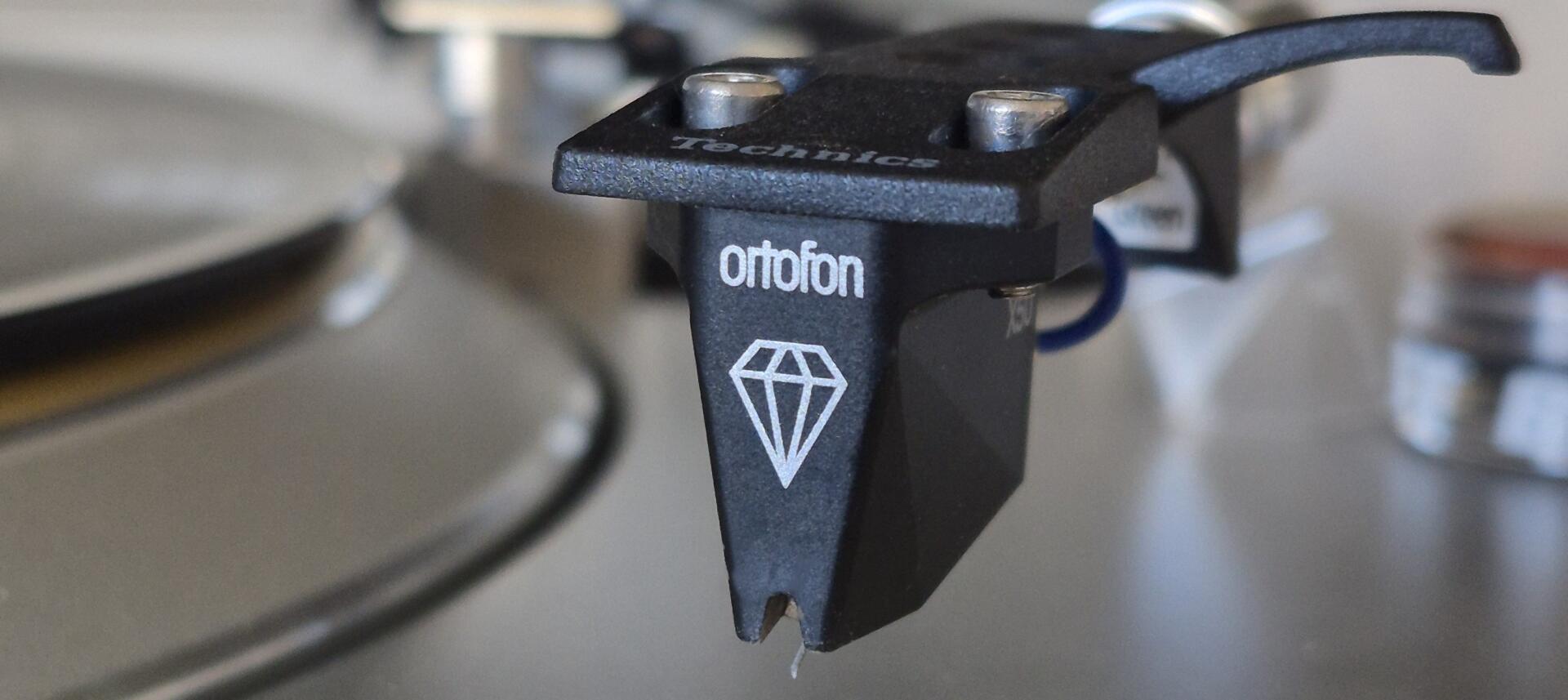
Key features of the Ortofon MC X50 are as follows;
- Micro Ridge Stylus Profile
- Detailed and pure sonic reproduction takes a step toward the high-end
- Overhead mounting cartridge for installing into a headshell
- Moving Coil cartridge design
- Superior boron cantilever
As the most advanced model in the MC X range, the Ortofon MC X50 was created for listeners who want greater precision, consistency and control from every record. It is engineered to extract more information from the groove while maintaining a composed, confident presentation that suits serious hi-fi systems. The stylus shape is a nude Micro Ridge diamond stylus paired with a lightweight, rigid boron cantilever. This allows the MC X50 to follow fine groove modulations with impressive accuracy, helping it deliver cleaner high frequencies, lower inner groove distortion and a more natural sense of detail across the whole record side.
Internally, a specially developed in-house rubber suspension balances the stylus and cantilever system, improving tracking stability and maintaining secure groove contact. The result is a more controlled musical performance with lower distortion, stronger transient response and the kind of steady, refined playback expected from a premium Ortofon moving coil cartridge.
Beyond its core construction, the Ortofon MC X50 is designed to preserve the speed, openness and low-level detail that make moving coil cartridges so prized in high-end analogue systems. Ortofon describes the MC X Series as a platform for remarkable clarity, depth and precision, making the MC X50 a strong choice for listeners who want a technically accomplished cartridge that translates groove information into a clean, spacious and highly resolved performance.
The MCX series sits between the older Quintet models and the Cadenza series. I owned a Quintet Black a few years ago and was very pleased with its performance. I have also reviewed the superb MC 90X recently which at £3999 is a class act hard to beat in that price area.







Alignment
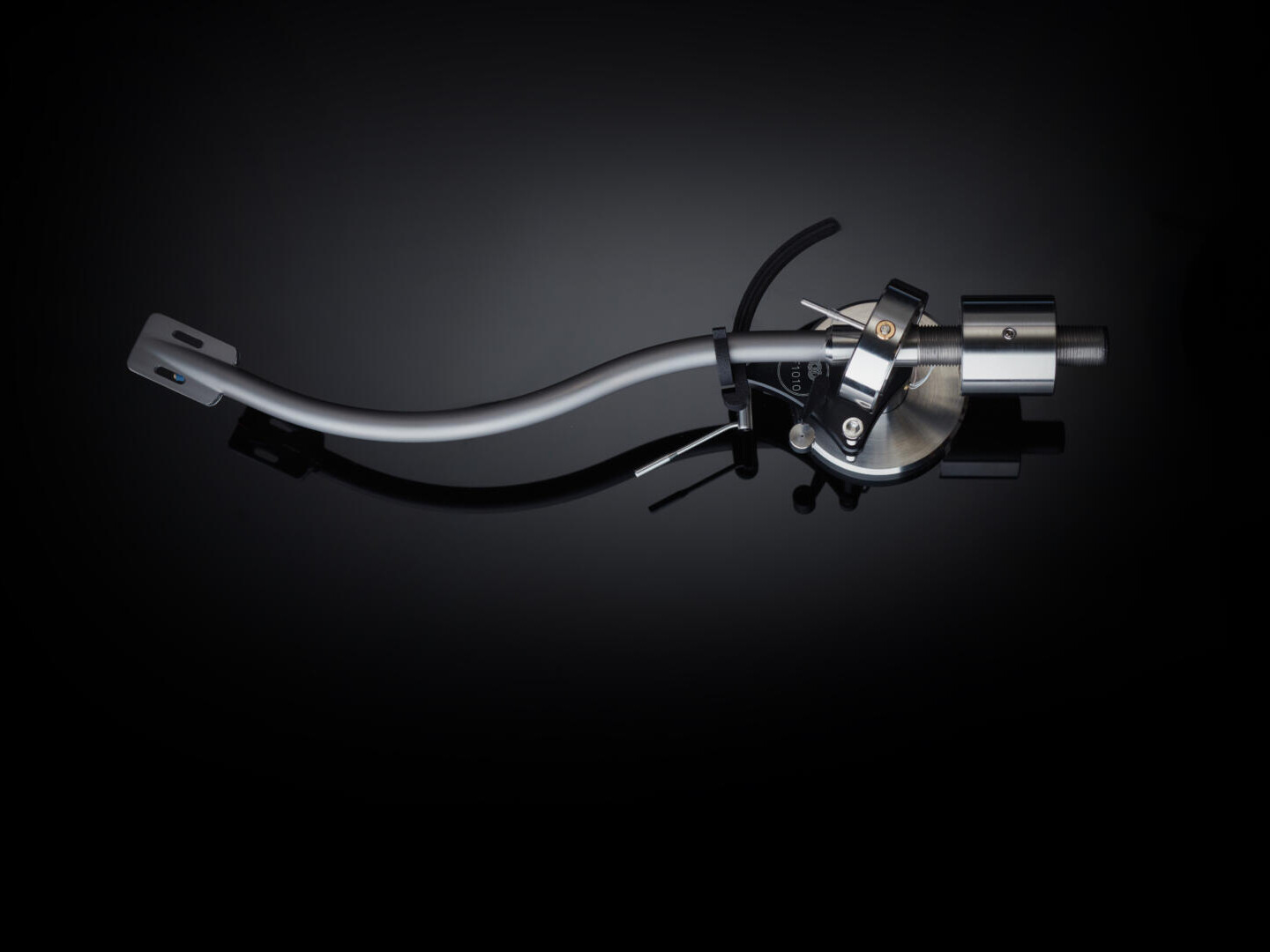
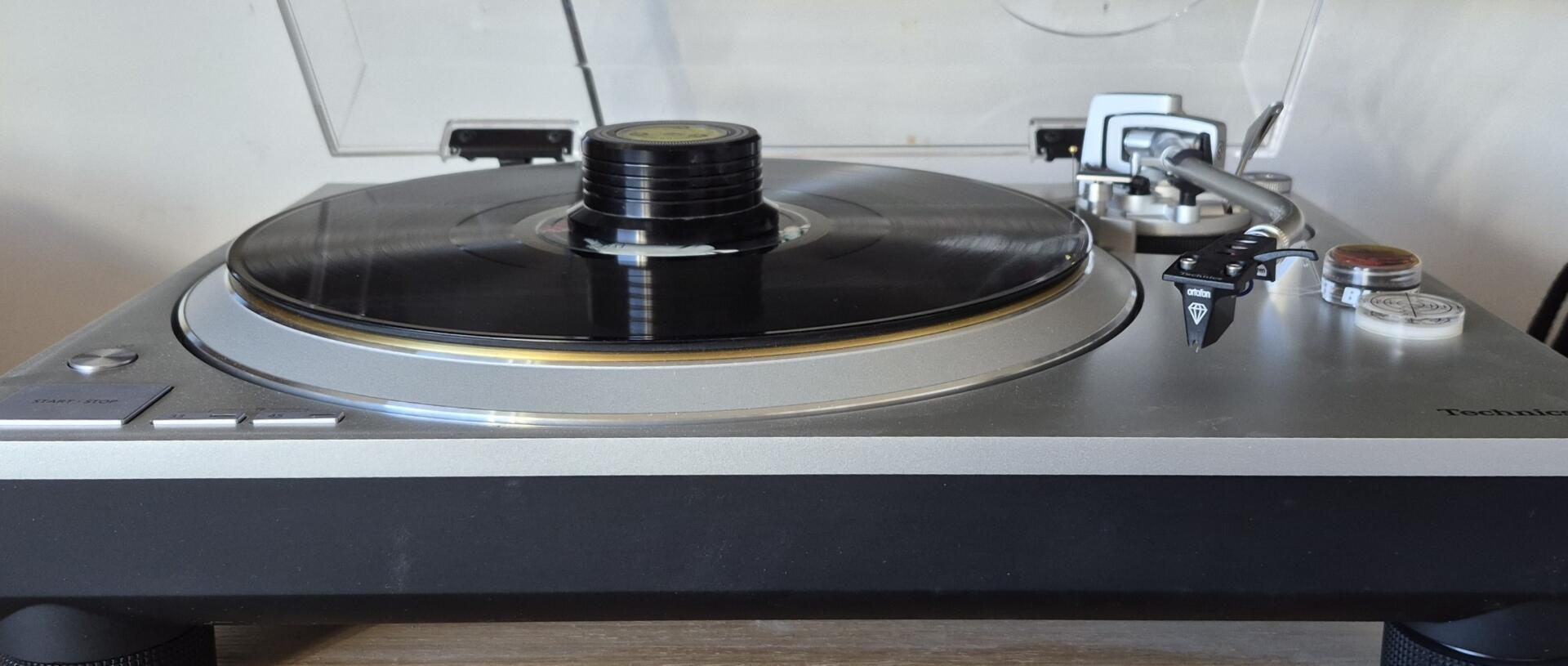
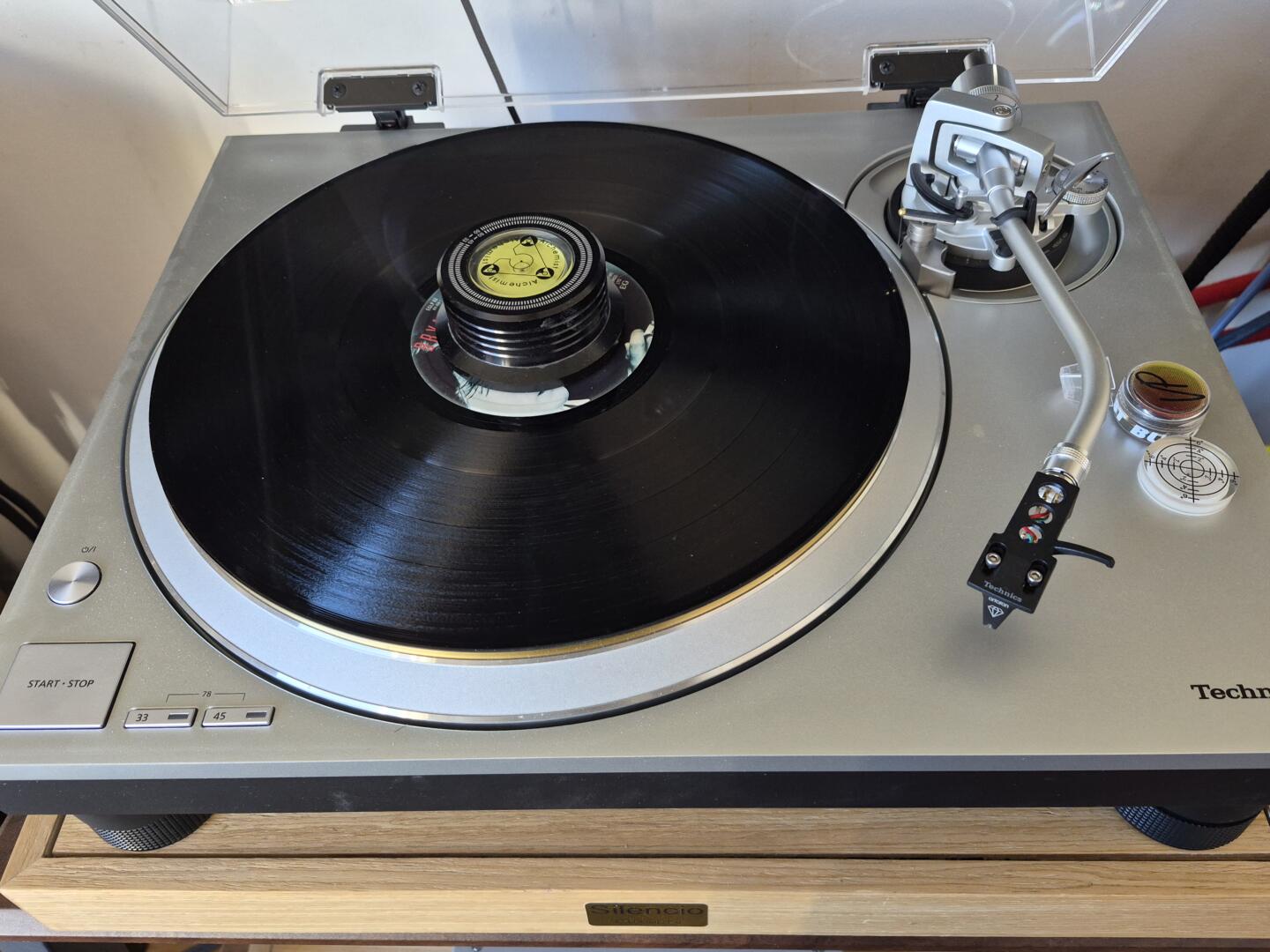
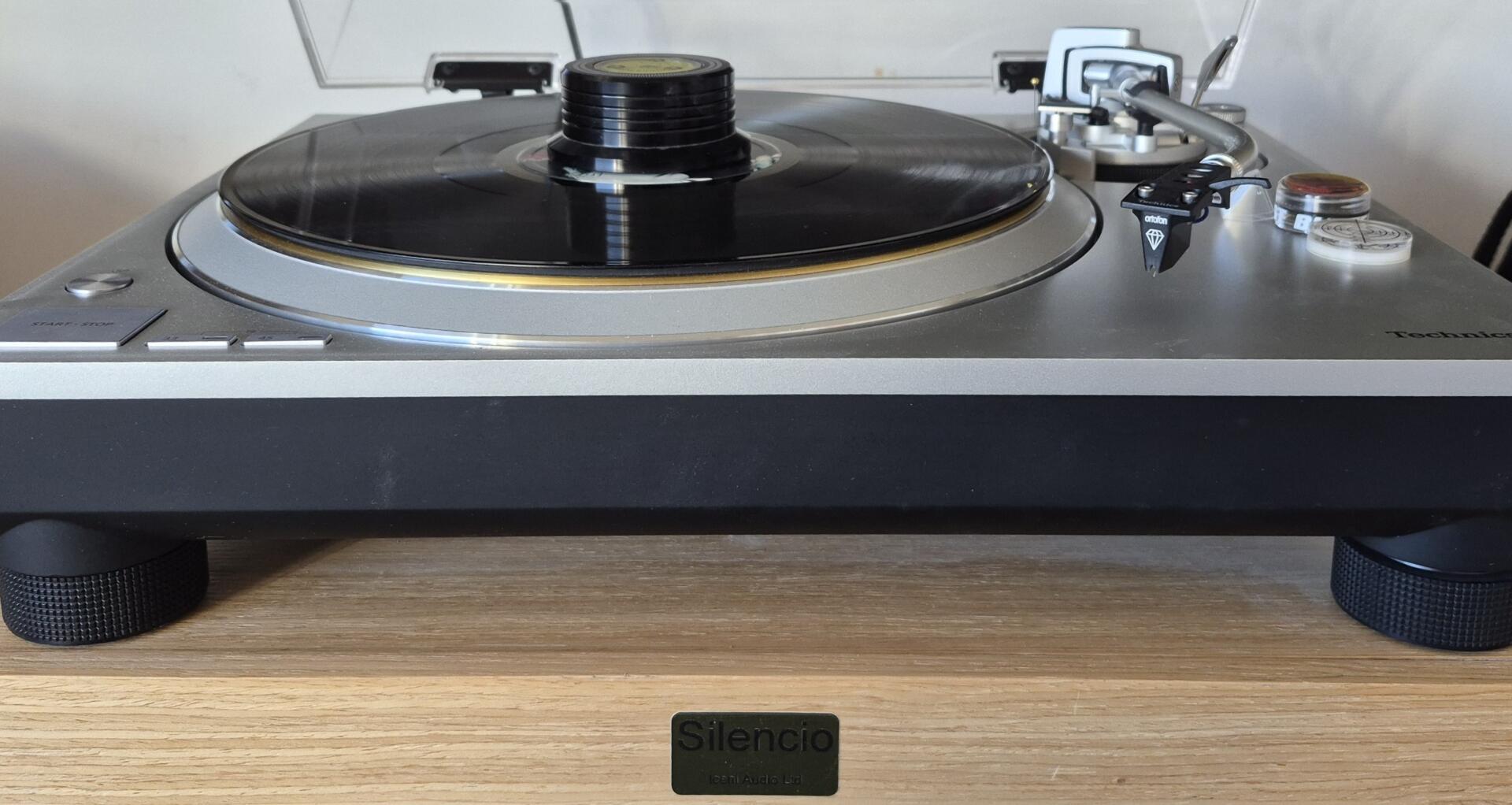
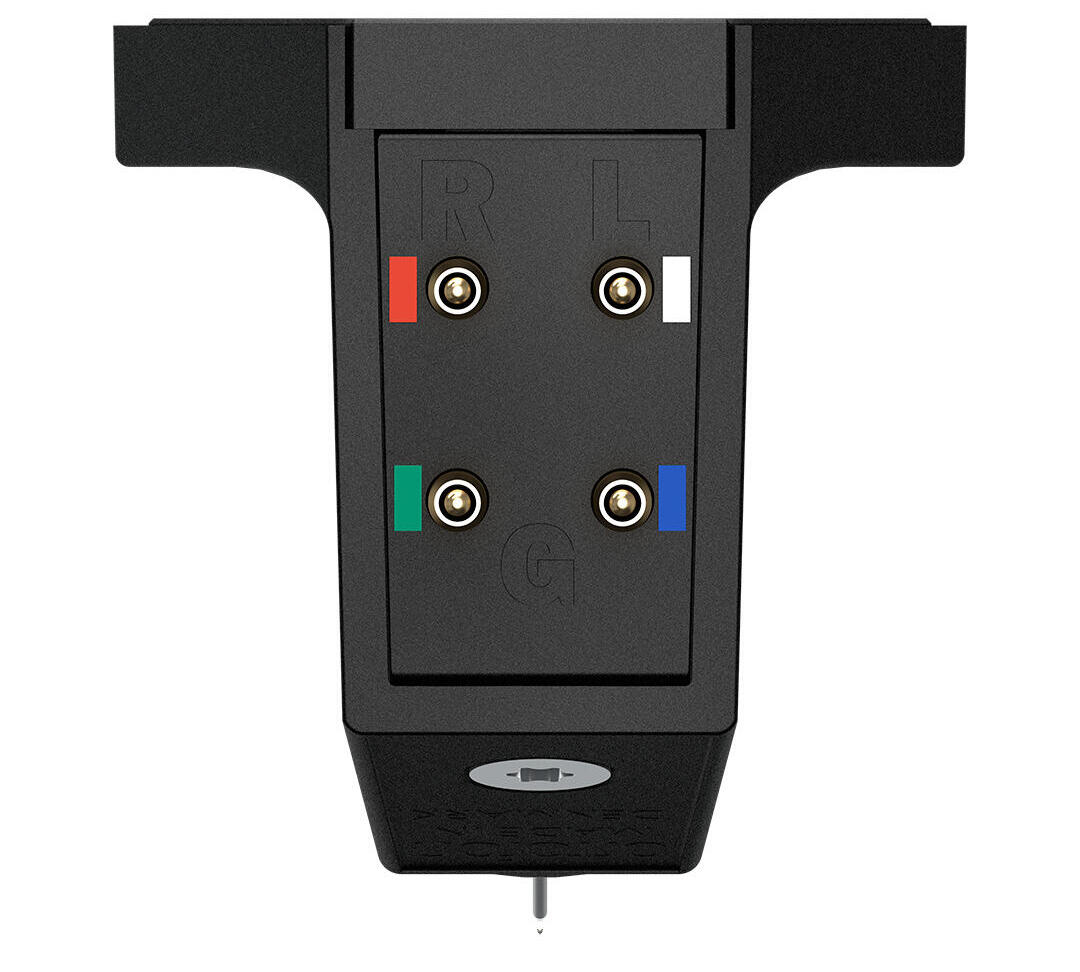
The MC X50 was easy to mount into a head shell due to the threaded top inserts and was attached to my Technics SL1300G. The body shape made alignment easy, and it was a breeze to set up in five minutes. I tracked at the recommended 2 grams, and it never missed a beat. At a low output of 0.4 mV, it needs a dedicated MC input or setting, which wasn’t an issue with the excellent Canor Virtus A3 I was using or the Musical Fidelity M6X Vinyl phono stage.
With my current Totem Signature speakers and Totem Storm active sub, the MCX 50 immediately had an assured air to its sonic signature. As it ran in over the time I used it, like all new cartridges, the top end became smoother and opened up, allowing long, enjoyable listening sessions.
At Last – Lou Rawls – Blue Note
I decided to play an LP I hadn’t listened to for years because I had forgotten about it. The album was At Last by Lou Rawls, and I bought it on Ken Kessler’s recommendation when he reviewed it in 1989. Lou Rawls has a rich, drawling delivery, which this Blue Note production highlights. The tracks blend jazz, blues, and soul, aided by George Benson and Cornell Dupree’s sublime musicianship. Rawls’s smooth, velvety baritone projected beautifully into my listening room, and this album soothes your mind. A perfect antidote to life’s stresses.
By contrast, Bryan Ferry’s Boys and Girls (his first after Roxy Music split up) has a rhythm I love when I want to be entertained. Don’t Stop the Dance and Slave to Love are my favourite tracks, but they are all great. The recording is spot on, and Bob Ludwig mastered it, so a done deal. The list of guest musicians is a who’s who, far too long to go into detail, but when you see Dave Gilmour, Mark Knopfler, Tony Levin, Marcus Miller and David Sanborn, to name a few, you know it’s going to be good. The MC X50 sailed through the complexities of each track and highlighted the background vocals and effects Ferry likes on his albums, which it portrays clearly. It’s certainly one of his best albums for me, along with Avalon, which he did with Roxy Music, of course. Ferry here is the suave, debonair, if secretly moody and melancholic, lover, with music to match in contrast to the more explosive style of earlier Roxy Music.
Wishbone Ash
As a child of the 60s and 70s, my tastes focus on bands and artists of that era, along with the 80s. I make no apologies for that. A rock band I saw many times in the 70s was Wishbone Ash (I also saw them recently as well). Live Dates 2 is a great live album, and some of it was recorded at City Hall in Sheffield, where I live. They were one of the first rock bands I got into at school, and I still love them. Fans and classic rock critics have praised it for capturing the band’s post-Argus era, featuring the Mark II lineup with guitarists Andy Powell and Laurie Wisefield. Wishbone Ash’s twin-duelling lead-guitar style is what attracted me to them originally, and I felt they never got the recognition they deserved. The MC X50 revelled in the recording, pulling out the live atmosphere so well from the various concert venues and the band’s enthusiastic display of guitar showmanship. The vocals shone, and the interplay across the band was abundantly apparent. Live concerts can be a letdown, but having seen Wishbone Ash many times, they always delivered, and this record certainly captured that for posterity.
I tried many albums from different genres, and they all thoroughly entertained me, even if the recordings weren’t always up to scratch.
Overall
In conclusion, the Ortofon MC X50 made me realise that you don’t have to spend a fortune on a moving coil to attain superb performance. The design aims have been fulfilled admirably. If you have a good turntable and arm combination to do justice to a £1299 cartridge with a suitable amplifier and speakers, then look no further. Today’s cartridge market is highly competitive, and there has never been a greater choice for music lovers. Ortofon can be proud of this design, and I am sure it will be a huge success.

Ortofon MC X50 Highlights
Pros
- Easy to set up
- Excellent tracking
- Instils confidence in its sound staging and delivery from top to bottom
- Value for money given the context of competitors
- Superb pedigree from a world leader.
Cons
- None, really, other than £1299 is not pocket money, but if you’re serious about your music, treat yourself
- Quality isn’t cheap, but worth it
Related Posts
Rega Introduces the “Replay” Plug-and-Play Turntable

Rega is tackling the setup anxiety of vinyl…
Degritter Mark II – ultrasonic record cleaner
The Degritter Mark II is an ultrasonic record…
Titanic Audio Catalyst Cartridge Stabiliser

The stabiliser is a dual-stage mechanical filter…
AVID introduces Pellar II and Pulsus II
AVID today has announced two new phono stages,…
AVID Introduces Ingenium SE turntable
AVID has announced the launch of the Ingenium SE,…
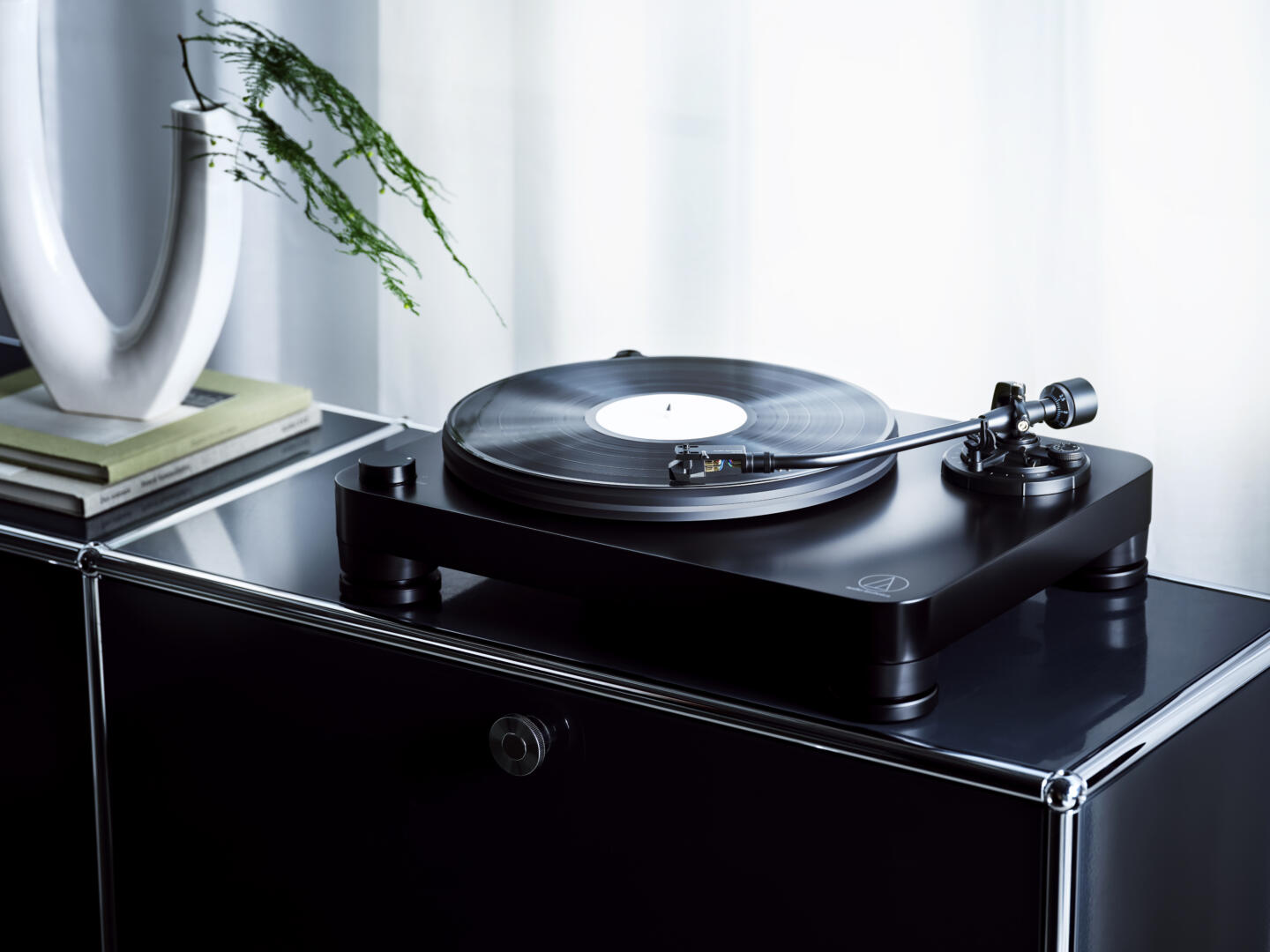
Audio-Technica Introduces the AT-LP7X Turntable
Audio-Technica Introduces the AT-LP7X Turntable