Introduction
Titanic Audio, based in Northern Ireland, has a pedigree of hand-built design, craftsmanship and innovation. We heard this with the Titanic Audio Anchor Plate Isolation Platform Review back in February 2026. This Catalyst Cartridge Stabiliser is another product that showcases the best of their expertise and knowledge of materials.
I was sent this new product, the Titanic Audio Catalyst Cartridge Stabiliser, to try out, as my expertise in analogue turntables goes back nearly 50 years. The concept isn’t new, as Origin Live brought out their cartridge stabiliser a few years back, which I tried and had a similar philosophy.
Design and Setup
The cartridge has a real challenge, along with the tonearm, in tracking the record groove under high pressure and making microscopic movements to convey the mechanical energy and convert it into a tiny electrical signal to send to the preamplifier. It’s a very complex electromechanical process that still amazes me. Controlling resonances in any audio system is key to creating great sound and eliminating colouration and distortion. This is where the Titanic Audio Catalyst Cartridge Stabiliser aims to succeed.
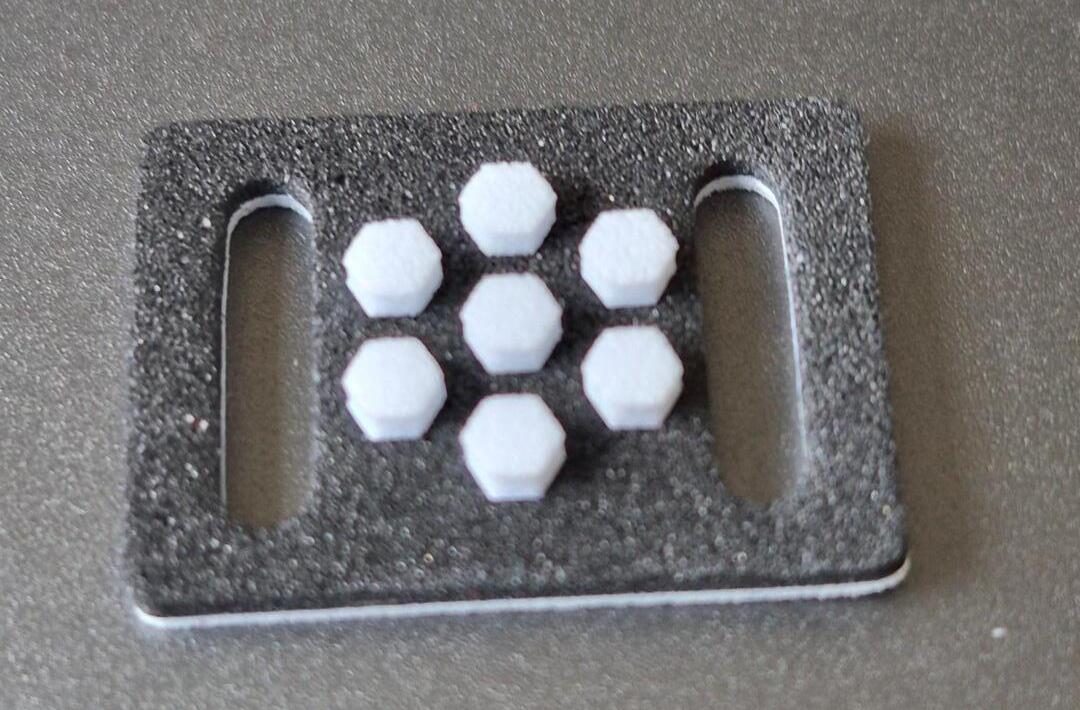
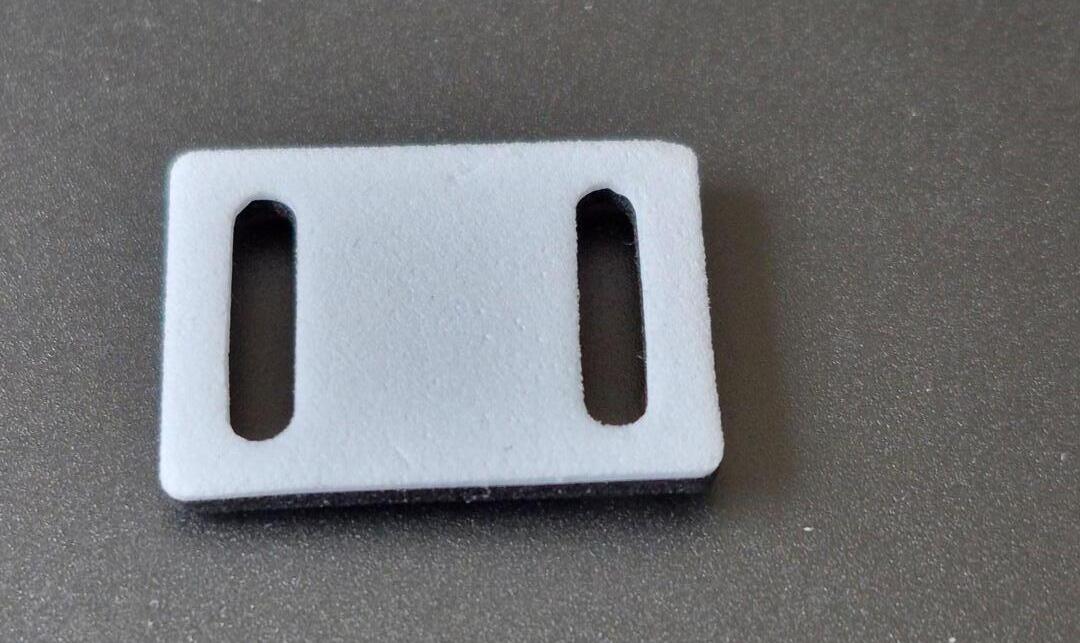
At £100, the stabiliser is a dual-stage mechanical filter that fits between your turntable’s phono cartridge and head shell. It reduces micro-vibrations and airborne feedback right at the source, resulting in a lower noise floor, better detail retrieval, and clearer sound staging.
Key features of the stabiliser include dual-layer filtering, using a rigid, high-modulus polymer base to maintain correct VTA/SRA (vertical tracking angle/stylus rake angle) alignment, paired with a mass-loaded viscoelastic isolation core.
Vibration decoupling is adopted instead of the usual rigid mounting technique to absorb and convert unwanted parasitic energy from the tonearm into heat, thereby isolating the cartridge’s sensitive motor-generator from mechanical resonance in the arm and cartridge.







So, Does It Work?
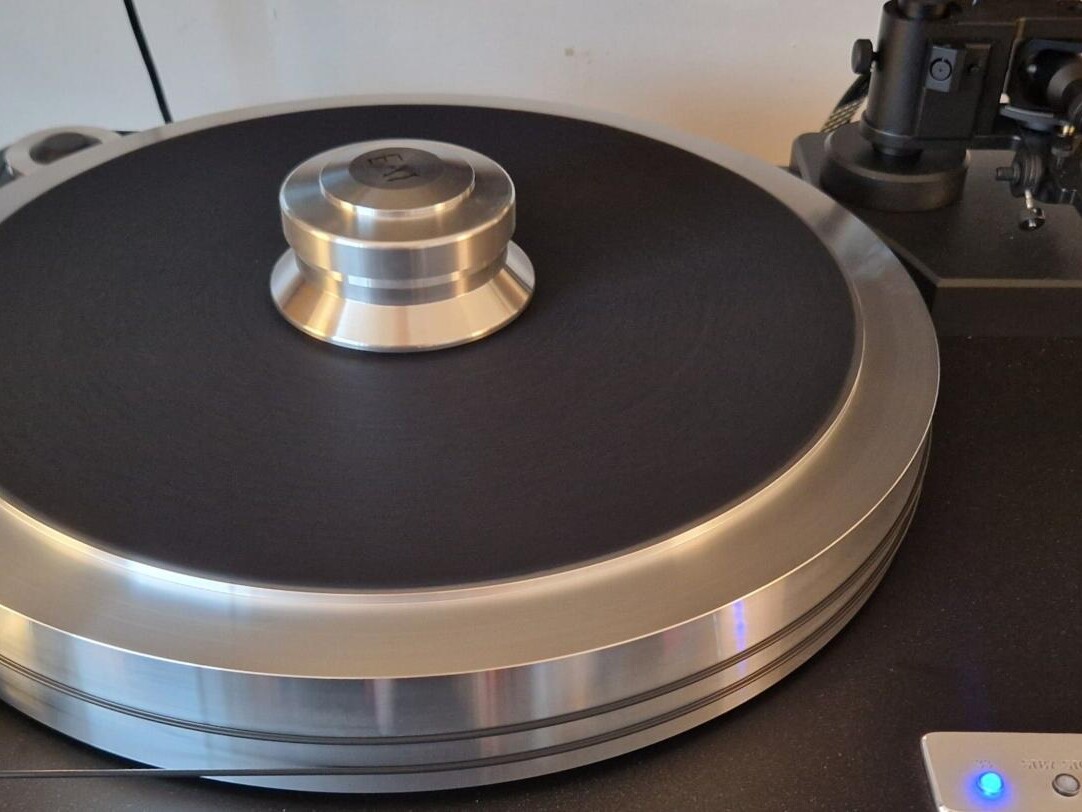
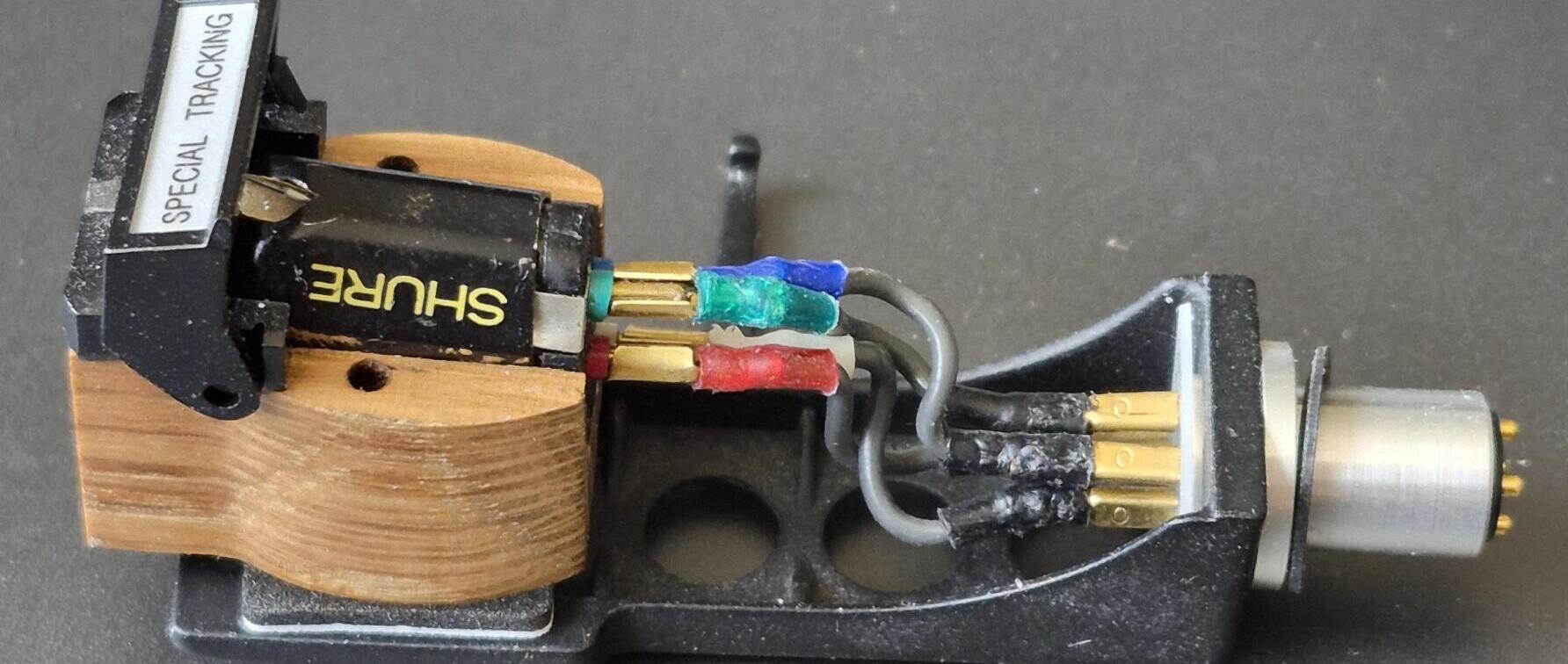
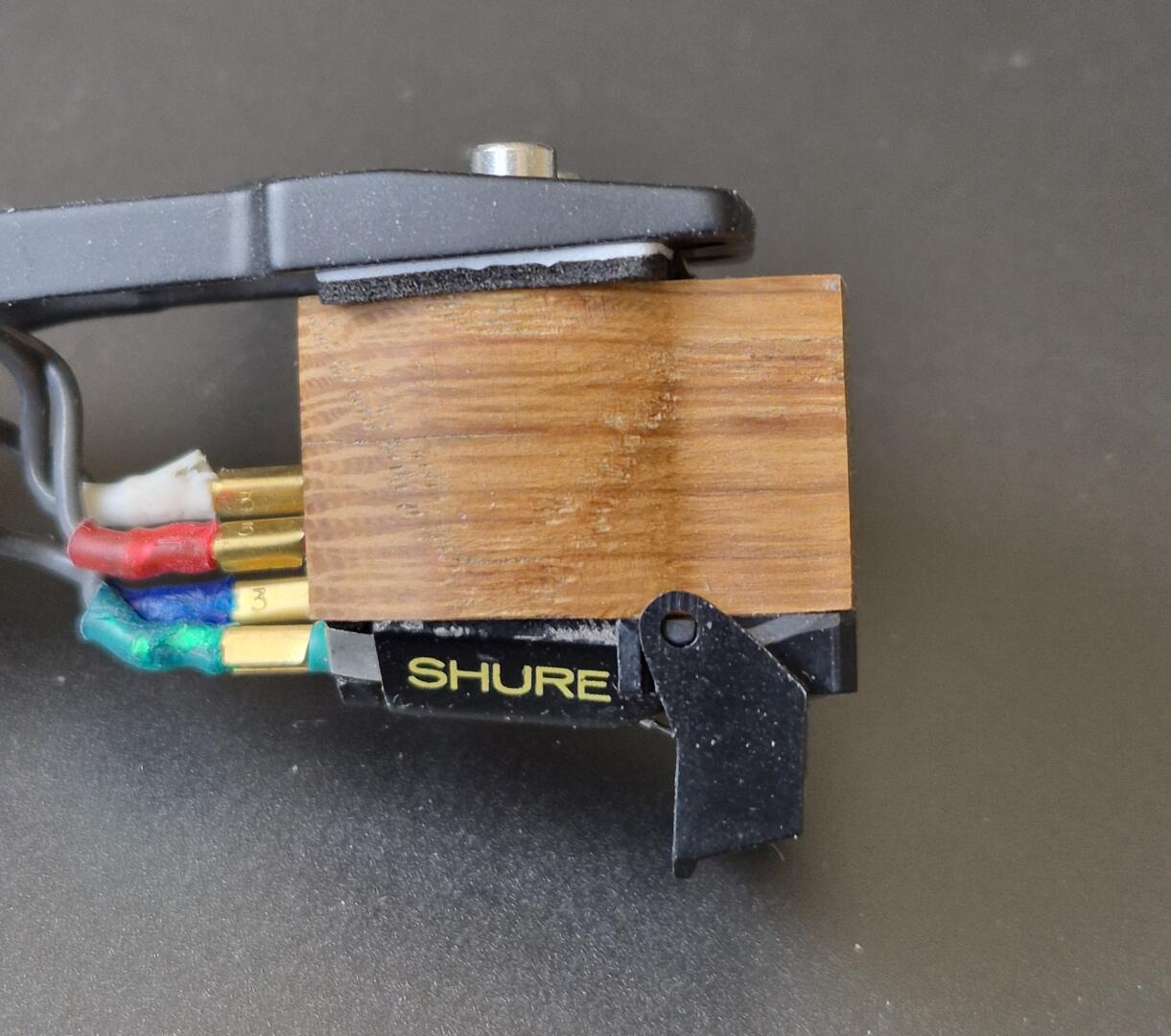
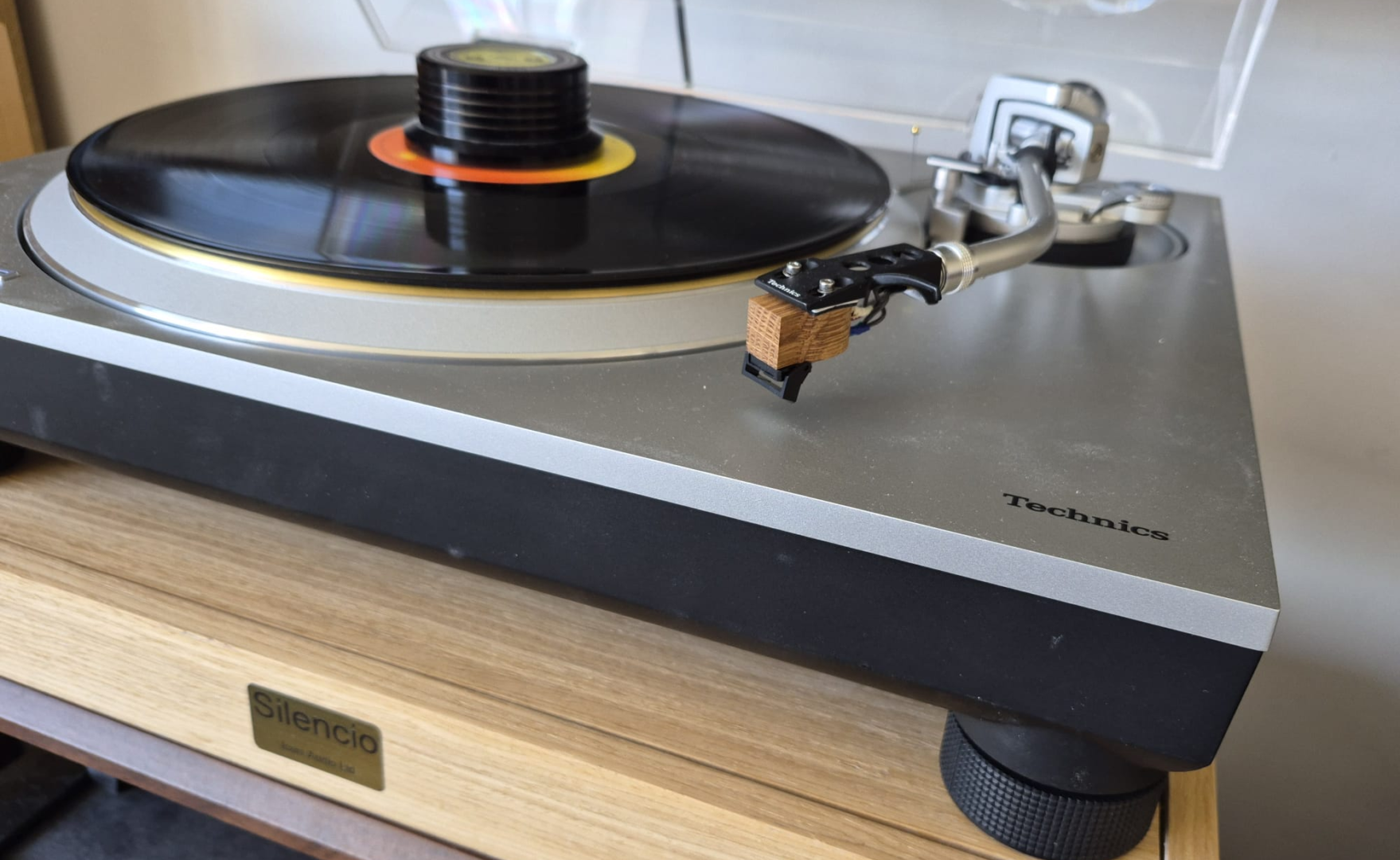
The immediate answer is yes. I tried it with my Shure V15 type 3 cartridge with a wooden body instead of the original plastic body and a JICO VN-35HE SAS/B stylus. A vintage cartridge from the early 80’s, but highly revered then and still a classic today. The Shure is a legendary tracker at only 1.25 grammes, and, for a moving-magnet, it still rivals modern designs, in my opinion. The Shure was mounted with the cartridge stabiliser on a Technics headshell and fitted to my Technics SL1300G. Alignments and adjustments were optimised, and I connected the Technics to my resident Musical Fidelity CR3.2 preamp and power amp, playing through my Totem Signature One speakers.
Top-end detailing was the initial improvement I noted, with delicate percussion clearly being better defined and background information better layered. I played Fourplay’s only vinyl album in their catalogue, Fourplay (all the other albums have been CD-only and streaming). I’m a huge fan. The musicianship is superb, and as a band, they’re as tight as a drum. Many will complain it’s smooth jazz/ elevator music, but I don’t care; it’s what I enjoy and always will. Nathan East’s sublime bass flowed alongside Harvey Mason’s drumming, grounding the music, leaving Bob James and Lee Ritenour to shine with their keyboard and guitar supremacy. The stabiliser certainly cleaned up the sound overall and allowed my Technics to shine even brighter. The combination of my turntable, cartridge and the stabiliser all contributed to a very enjoyable sound.
I played other albums from The Alan Parsons Project, Pyramid being one. Both Alan Parsons and Eric Woolfson were gifted producers and musicians, making a series of excellent albums from 1975 to 1990. Virtually all the tracks were written and produced by Parsons and Woolson, with many session musicians/famous artists contributing. The excitement of Pyramid as the tracks built up was palpable, and having not listened to this album for a while, it reinvigorated me to play all the albums in the series again.
The prevention of microscopic vibrational smearing meant the dynamics were tighter, focusing the sound stage and instruments because the cartridge could track optimally.
Overall
In conclusion, there is no doubt that the Titanic Audio Catalyst Cartridge Stabiliser works. The only caveat is whether people will pay £100 for what looks like a cheaper accessory? Only they can make the decision. Some will say it’s just another snake-oil product, which Hi-Fi accessories seem to attract. I, too, am cynical, having seen it all over the last 50 years, but when my ears catch an improvement, I can’t ignore it.

Titanic Audio Catalyst Cartridge Stabiliser Highlights
Related Posts
Rega Introduces the “Replay” Plug-and-Play Turntable

Rega is tackling the setup anxiety of vinyl…
Degritter Mark II – ultrasonic record cleaner
The Degritter Mark II is an ultrasonic record…
AVID introduces Pellar II and Pulsus II
AVID today has announced two new phono stages,…
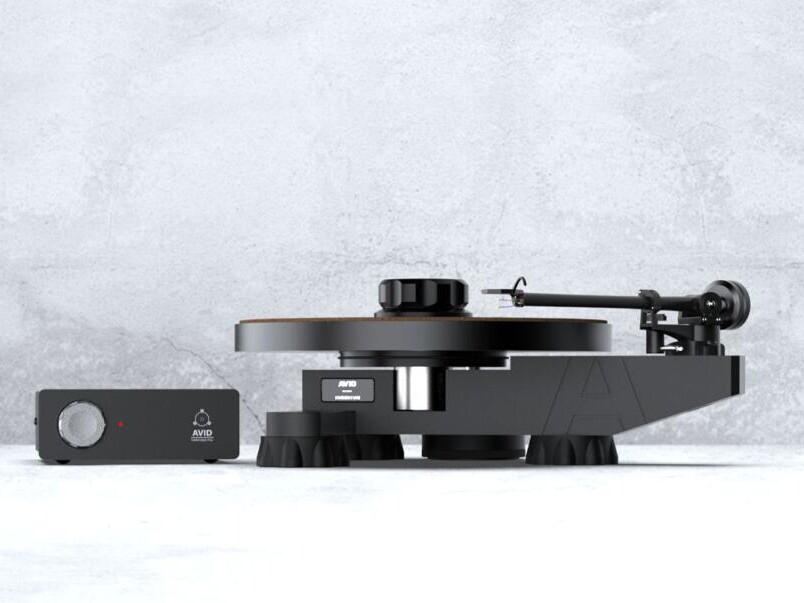
AVID Introduces Ingenium SE turntable
AVID has announced the launch of the Ingenium SE,…

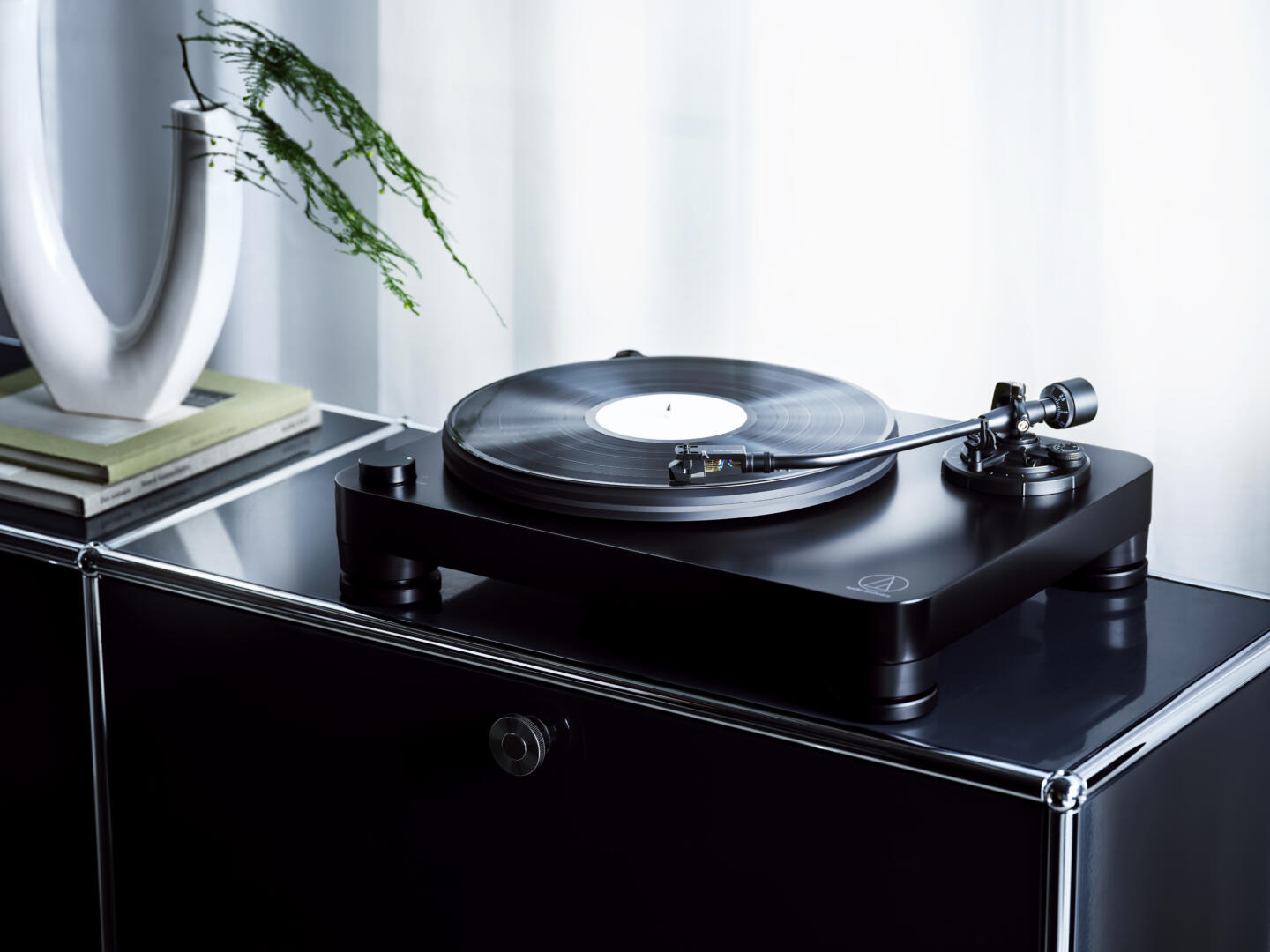
Audio-Technica Introduces the AT-LP7X Turntable
Audio-Technica Introduces the AT-LP7X Turntable