
Introduction
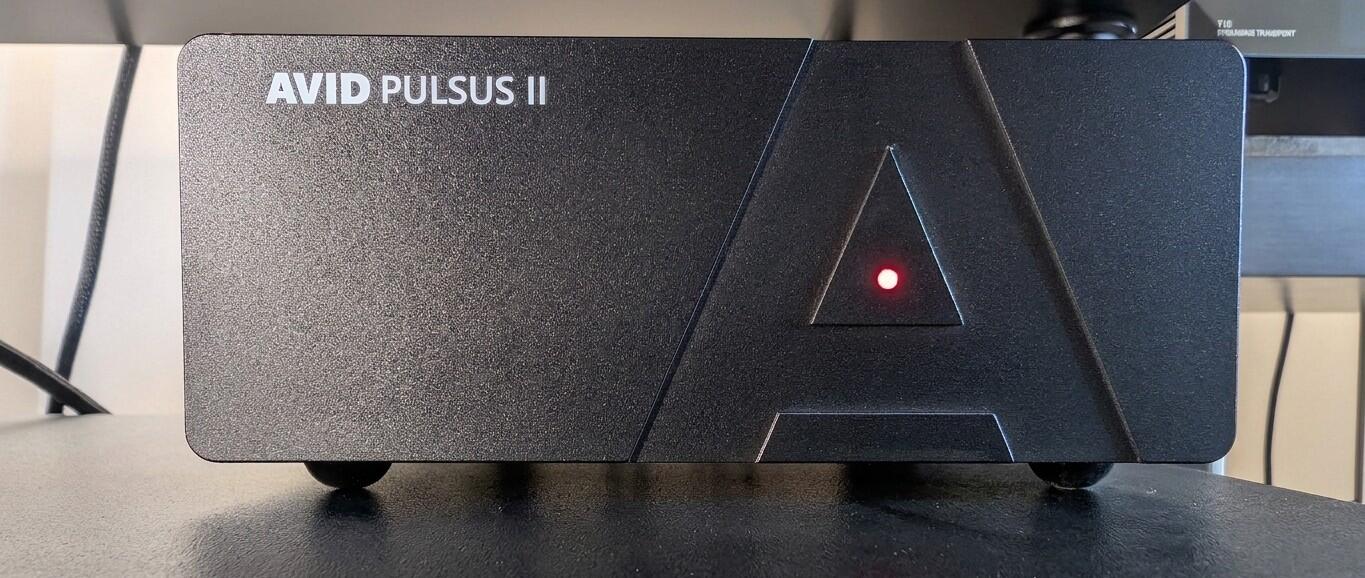
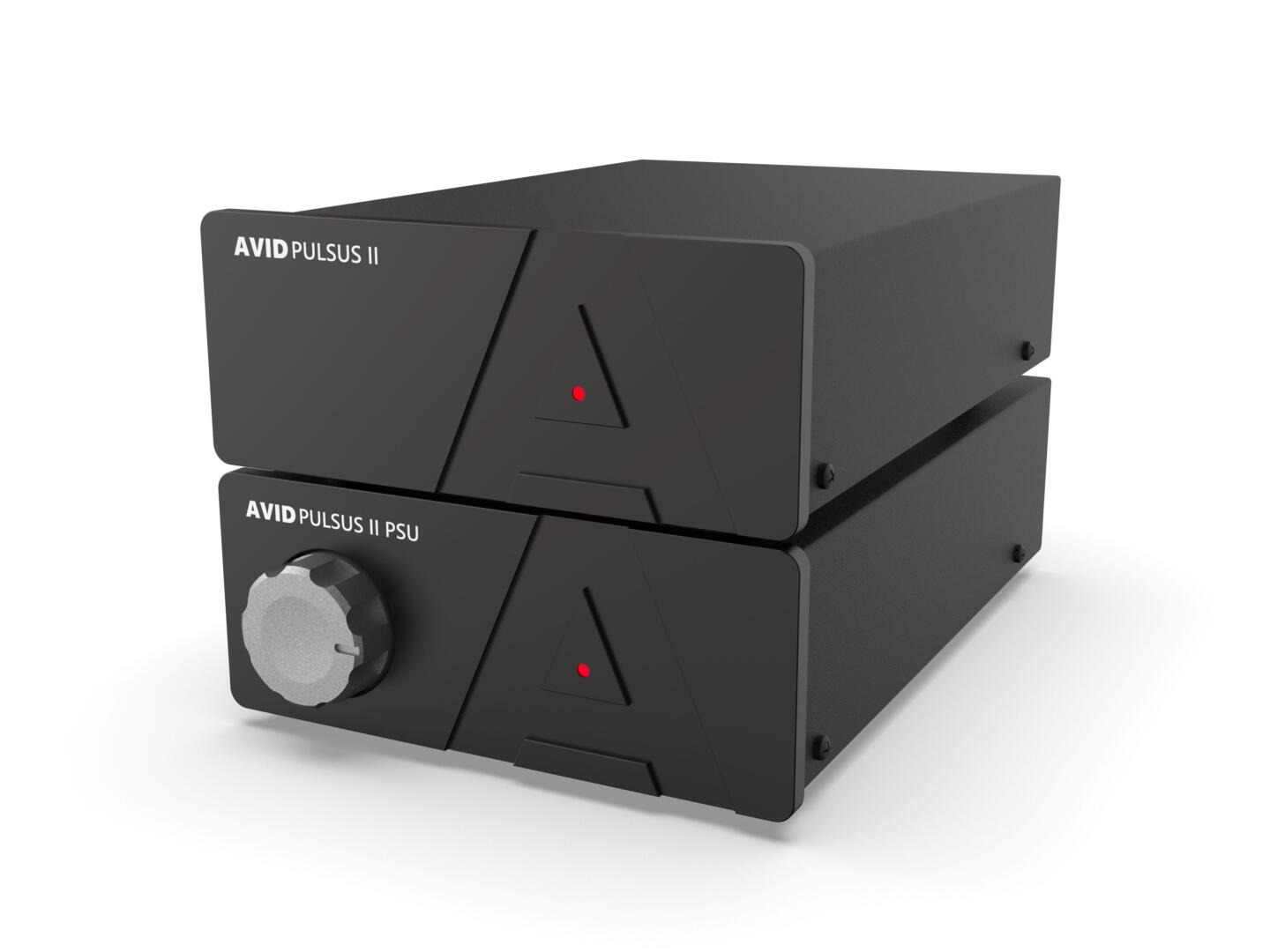
I believe this is the first look anywhere in the world at AVID HiFi’s Pulsus II phono stage. The original 2010 Pulsus and the 2012 Pulsare had little wrong with them, but, as a certain curly-haired folkster once sang, The Times They Are A-Changin’.
I was happy with the Pellar II alongside both my now-redundant Michell GYRO SE and the AVID Ingenium SE, now my 2026 Reference, so I expected only a marginal gain from the Pulsus II. I could not have been more wrong!
Design
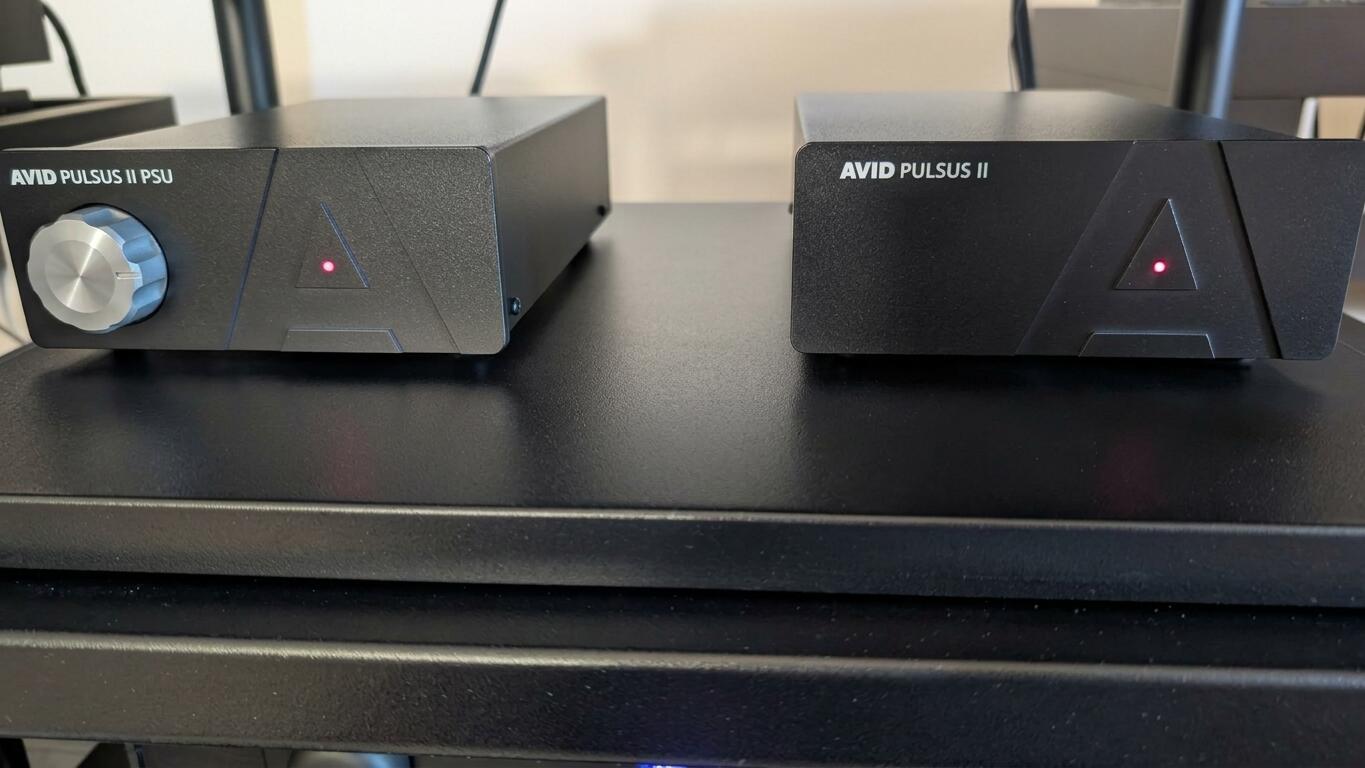
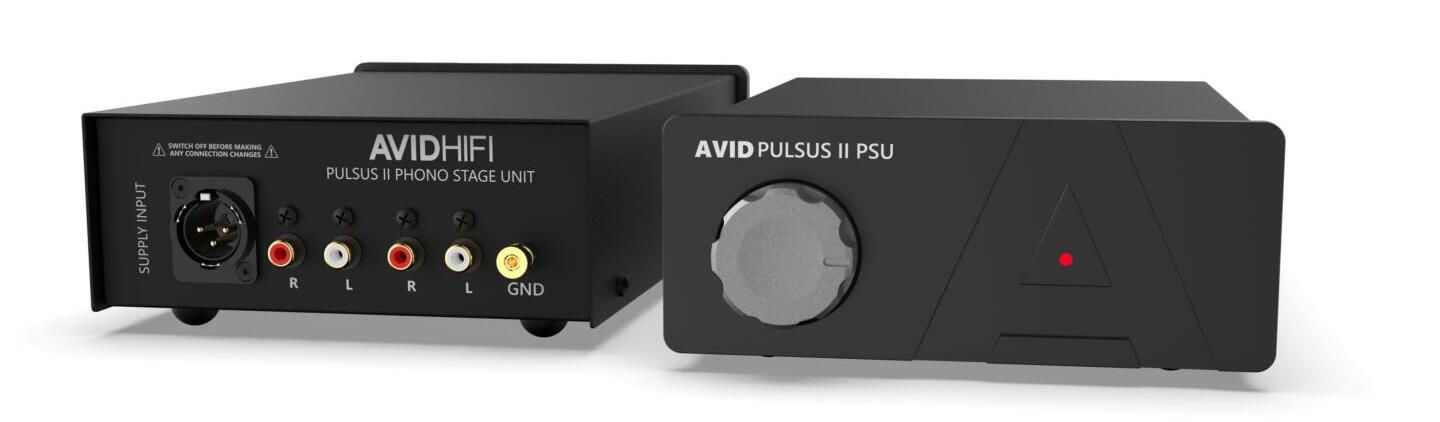
The AVID HiFi Pulsus II is a two-box phono stage solution, with the 35 VA regulated external power supply positioned away from the phono stage to reduce electrical and radio interference. This should result, AVID claims, in greater clarity, dynamics, and musical detail.
It is compatible with both MM and MC, with low and high gains, switchable capacitance and seven loading values.
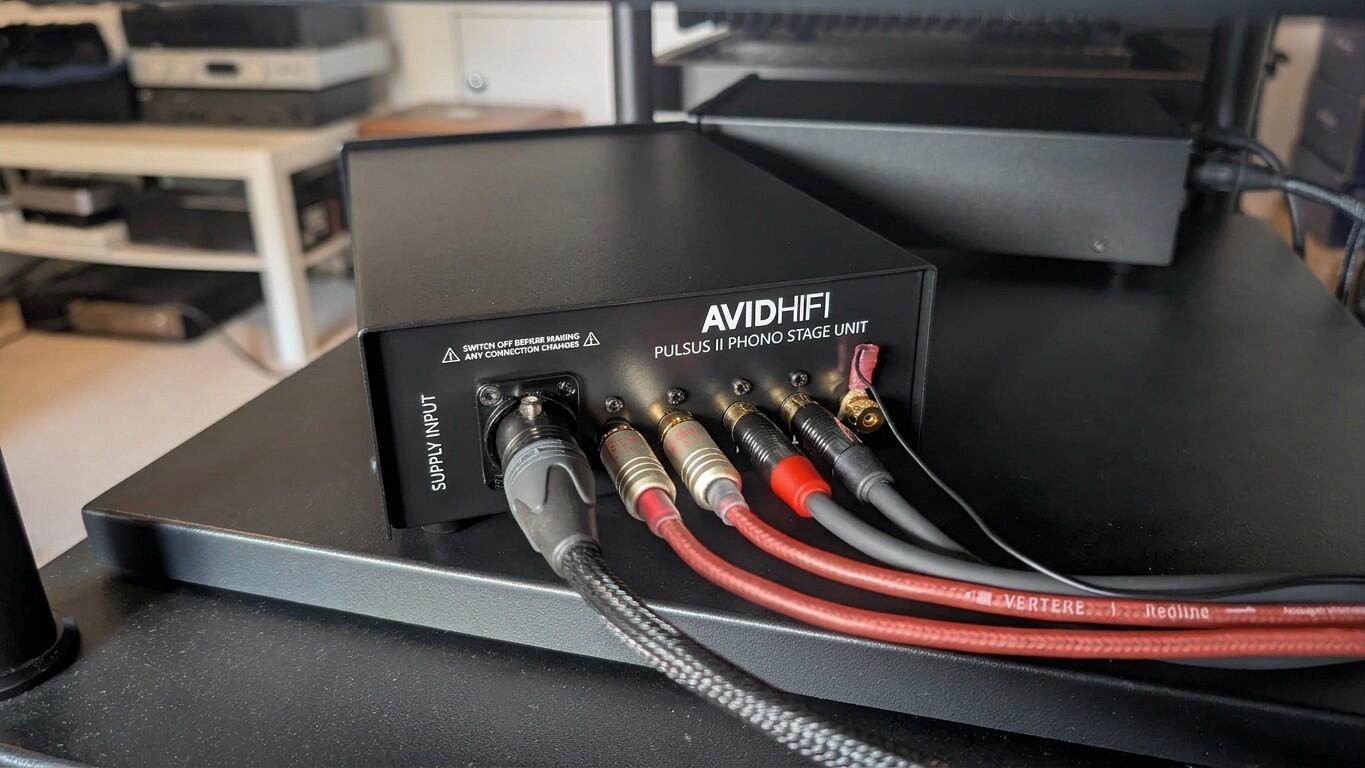
The phono stage uses RCA unbalanced input connections compatible with all turntables. This is powered with a DIN-style umbilical cord from the PSU.
Quality
The ‘AVID A’ engraved on the casework is understated yet classy, and the two boxes make for a beautiful aesthetic. The solid aluminium chassis is machined and finished in Huntingdon, Cambridgeshire. The solid chassis is designed to shield RF/EM interference. The power supply was heavier than I expected, and both boxes are the same size, giving them a meaningful presence. The multi-coloured dip switches on the phono stage are on the underside, keeping internal signal paths shorter, but they are pretty easy to select.
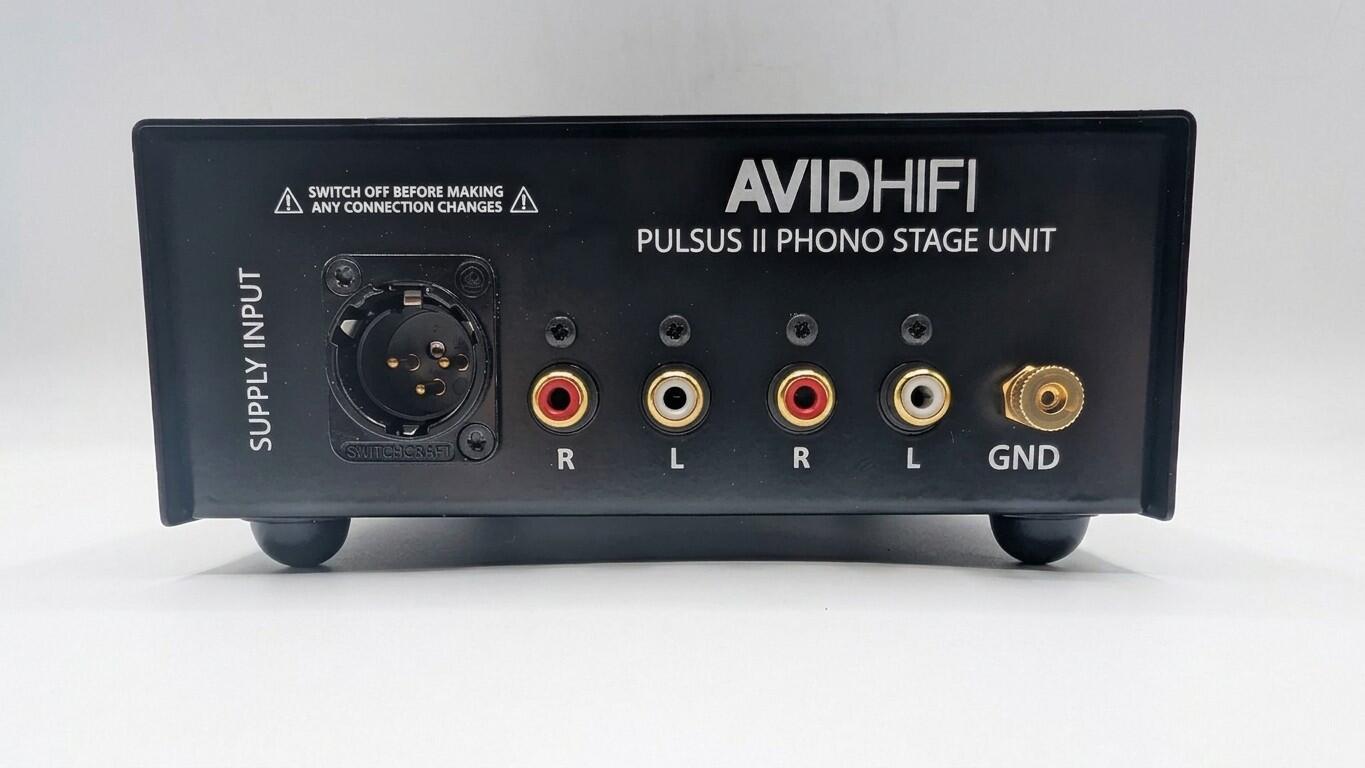
Specification and Price
AVID HiFi Pulsus II Specifications (from the AVID site)
NOISE: < -81dB MM < -67dB MC
DISTORTION: < 0.001%
RIAA: 5Hz – 70kHz ±0.5dB
GAIN: 40dB – 60dB – 70dB
RESISTANCE: 100R – 300R – 500R – 1K – 5K – 10K – 47K
CAPACITANCE: 100pF – 200pF – 500pF
OUTPUT IMPEDANCE: 20Ω
POWER SUPPLY: REGULATED WITH 35VA TRANSFORMER
VOLTAGE INPUT: 100-240vac 50/60Hz 10 WATTS MAX
DIMENSIONS: Phono: 160 x 239 x 70mm (W x D x H): PSU: 160 x 247 x 70mm
NET WEIGHT: CONTROL UNIT – 1.3KG (2.9LB) – PSU – 1.9KG (4.2LB)
Price £2995




Performance
Review Equipment
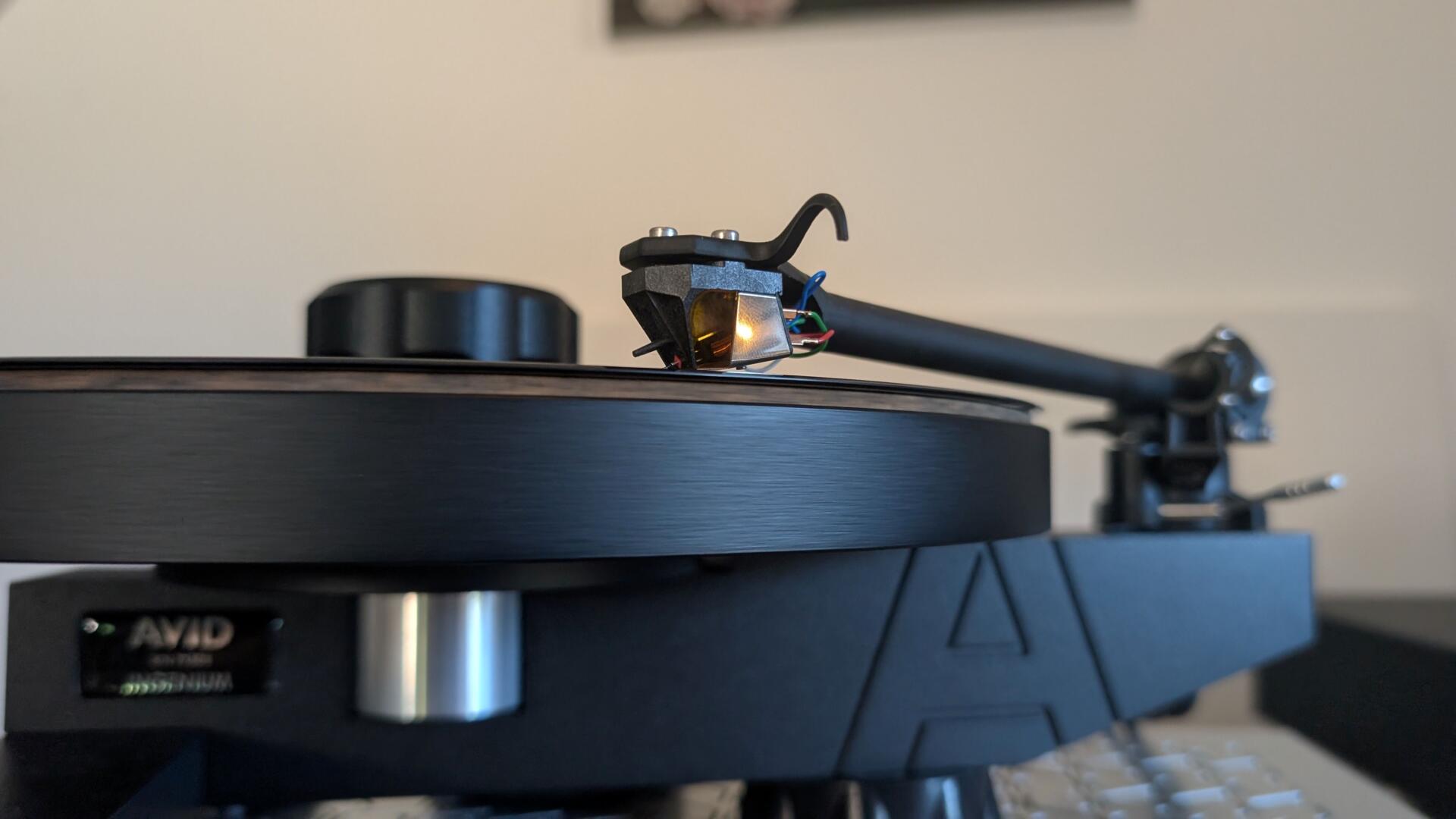
I’m using my Reference System with the Ingenium SE. On the Ingenium, I have the TA-3 tonearm, derived from a Rega RB330. On this, I have a flagship Rega Nd9 Moving-Magnet cartridge.
Physically
I have recently moved all my digital ‘kit’ away from the SolidSteel rack in favour of an all-analogue solution, so the Pulsus II has its own shelf under the Ingenium SE. The Pulsus turns on with a satisfying click of the knob on the PSU.
I have the standard 40dB gain setting on for the Nd9 cartridge, which boosts the already healthy 5-6mV to 500-600mV nominal, and I have selected 100 pF standard MM capacitance.
Impressions
At the risk of trashing the reputation of the Pellar II that I originally felt was fine for the Ingenium SE, the Pulsus II upgrade is stunning, by a mile!
Without music, the phono stage is silent in the lead-in to any first track (on a newer vinyl purchase) when the volume is increased above normal listening levels. This indicates that the power supply (transformer hum, transformer hiss) is nowhere to be heard.
Because we’re amplifying such a small signal, it needs to be treated with great care. Translating the RIAA (Recording Industry Association of America) curve is crucial to this process, and the Resistor-Capacitor (RC) network that does this needs to be as accurate as possible across the frequency range, as it translates the curve*. Isolating the power supply from this sensitive electronic process offers the best opportunity to do this, and the Pulsus II shows that very clearly. Additionally, having the power off-board also lets you space the components out optimally, improving the outcome.
* There is a fraction of high-end treatment with the implementation of the Neumann HF correction, which you are more than welcome to research after reading this piece.
Noise Floor
All of this translates into outstanding data reproduction. Because the noise floor is drastically reduced, the treble is presented well; it is fast and detailed thanks to the Nd9’s low-inductance generator paired with the boron cantilever. The midrange stays focused, rhythmic and smooth, and the low end is intense and punchy when required. Dire Straits’ Telegraph Road offers a great test of all the above, delivered with foot-tapping joy.
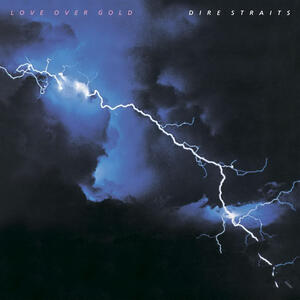
Taking on the following track on Love Over Gold, Private Investigations (Love Over Gold, Phonogram, 1982), the Pulsus II excels with the dynamic shifts in both guitar and the inquisitive marimba transients.
No fatigue-free vinyl session is complete without four sides of Ryan Adams’ Gold (PaxAm, 2001), or all six sides of the Live Carnegie Hall concerts (PaxAm, 2014). Both are delivered with passion, timing and unadulterated joy.
Finally, it is time for Arooj Aftab’s complex album Vulture Prince (Verve Records, 2022), and the low end on Last Night is a delight, and the Ingenium SE and Pulsus deliver the double bass transients with care and timing; the room feels like it is in play; it’s a very pleasant experience.
What Three Words
Silence – Precision – Joy
Overall
At the end of the day, you don’t want a phono stage imposing its own personality on your records; you just want unrestricted access to the groove. When you combine a dead-silent turntable with a dead-silent phono stage, you’re really in business—and the Pulsus II proves the value of separating the power supply from the delicate RIAA circuitry. From Dire Straits’ delicate marimba transients to the deep double bass on Vulture Prince, it delivers an effortless, fatigue-free listen that makes you want to pull out six-sided live albums just to keep the session going. I liked it enough to buy it on the spot. Now I just need to keep a safe distance from the Acutus!

Music
Albums used in this review.







Love
- Phono stage end-game
- Outright performance
- Vinyl
Like
- Multi-coloured dipswitches
- Aesthetic
- All cartridges are covered
Wish
- I’m going to need a lot more vinyl
AVID HiFi Pulsus II Highlights
Related Posts

Rega Introduces the “Replay” Plug-and-Play Turntable

Rega is tackling the setup anxiety of vinyl…
Degritter Mark II – ultrasonic record cleaner
The Degritter Mark II is an ultrasonic record…
Titanic Audio Catalyst Cartridge Stabiliser
The stabiliser is a dual-stage mechanical filter…
AVID introduces Pellar II and Pulsus II
AVID today has announced two new phono stages,…
AVID Introduces Ingenium SE turntable
AVID has announced the launch of the Ingenium SE,…
Audio-Technica Introduces the AT-LP7X Turntable
Audio-Technica Introduces the AT-LP7X Turntable


