Introduction
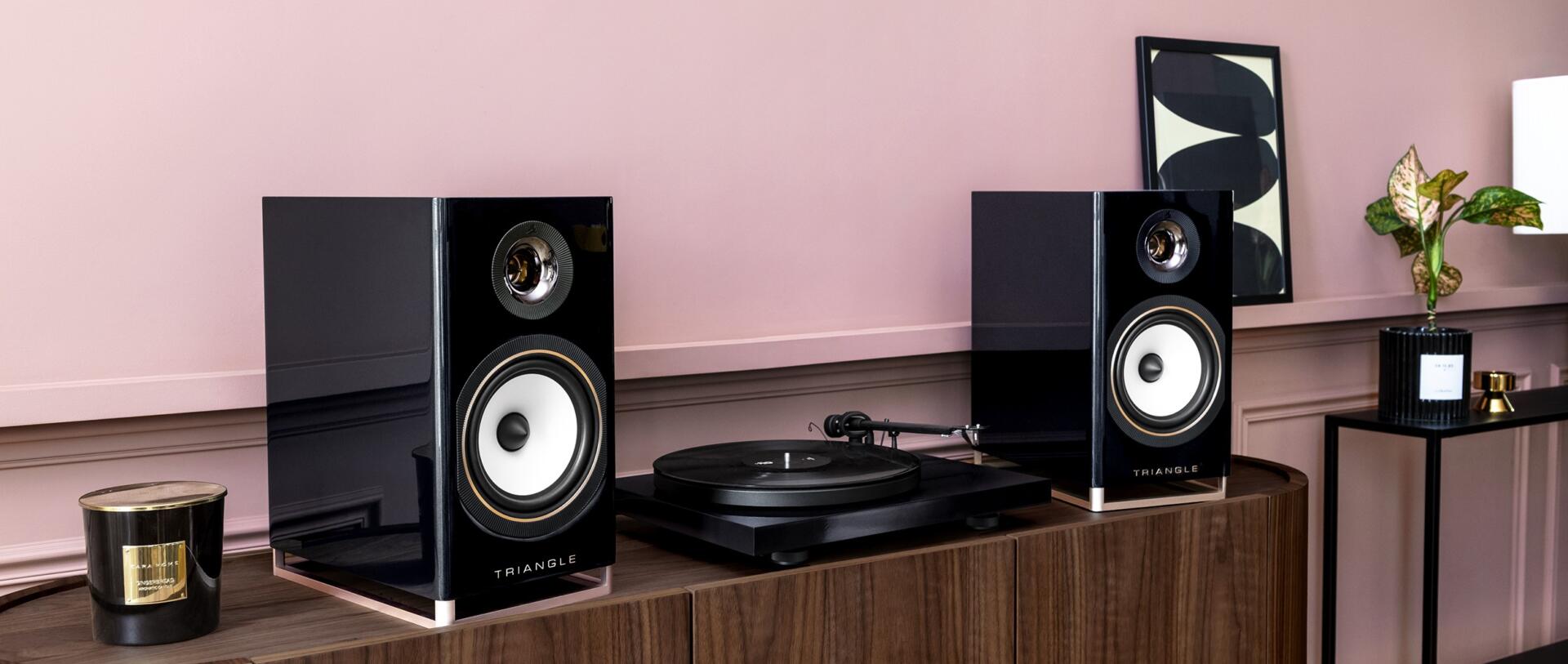
When I went to the product launch of the iFi Audio flagship streaming DAC, the IFi Audio iDSD PHANTOM, they launched it with a pair of active PMC Twenty5 24i loudspeakers. Since that demonstration, I have been slightly fixated on active loudspeakers, especially with the PHANTOM’s arrival for review. Finally, from a brand I have had good experiences with, I have a pair worthy of this flagship streaming source.
Design
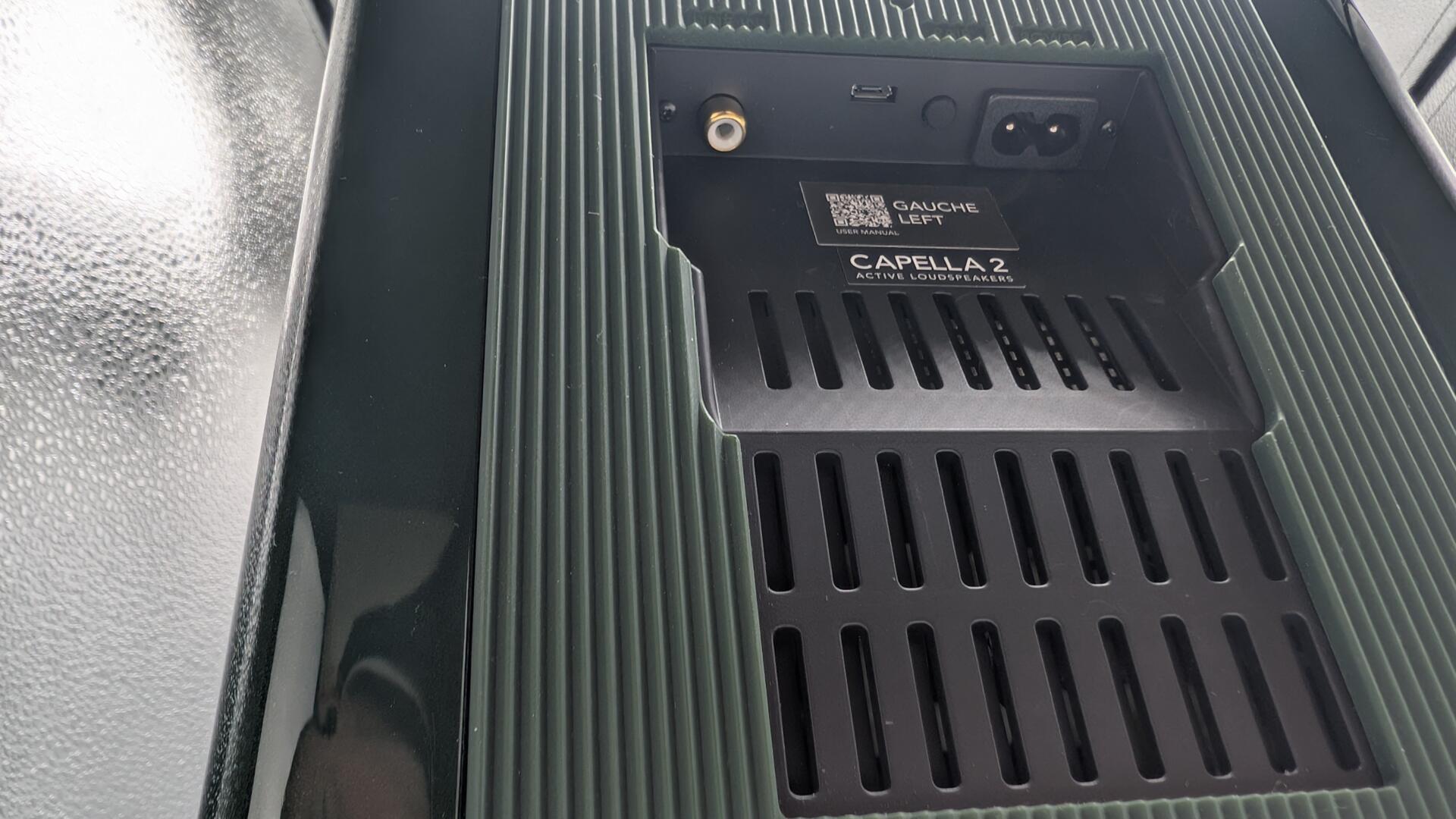
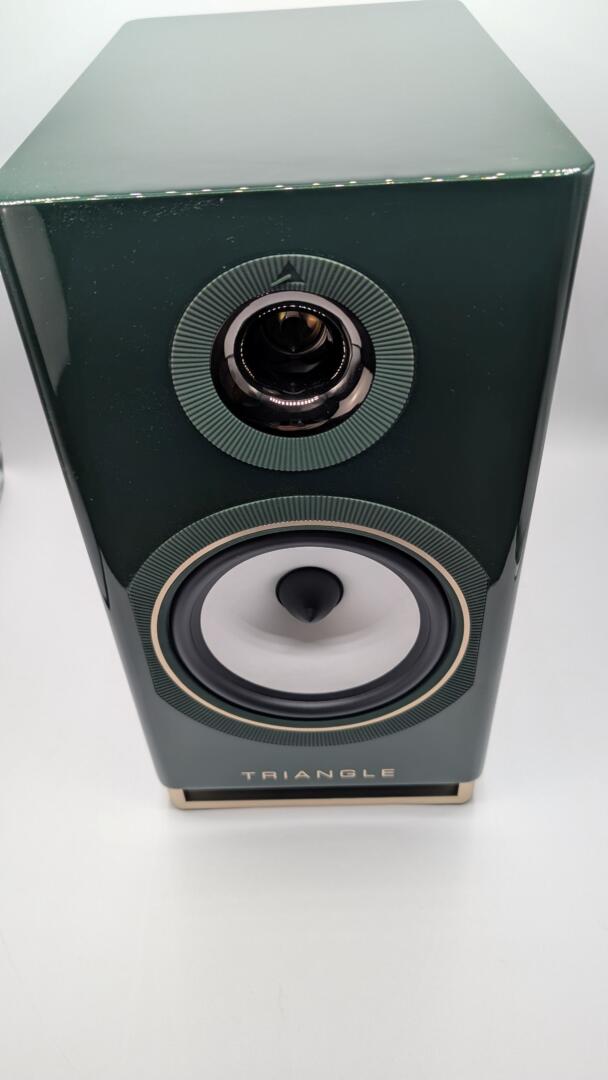
The Triangle Capella 2 are active Wi-Fi and Bluetooth bookshelf loudspeakers with a bass-reflex design, featuring an integrated digital signal processor that handles the clever stuff, such as the crossover between the two drivers.
They feature biamplification of the woofer and tweeter per loudspeaker, at 2 x 50W per driver per speaker (2 x 100W total). They have a frequency response of 42 Hz-22 kHz (+/- 3 dB).
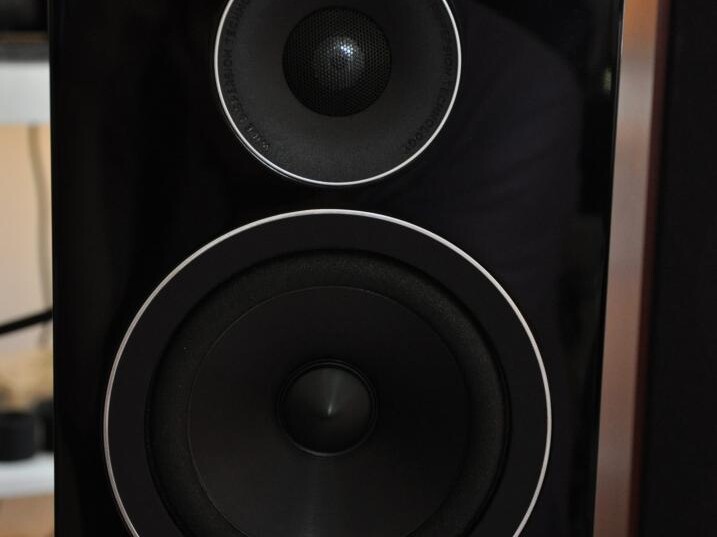
The drivers have a 25mm horn-designed tweeter with a familiar magnesium alloy dome, which we have seen a variant of here at Hifiandmusicsource in the gorgeous Magellan 40th Anniversary Duetto and the Antal floorstanders. The 16cm mid-bass driver has a half-roll surround and Triangle’s proprietary 100% natural cellulose pulp cone. The ported bass-reflex design fires downward.
The crossover between the drivers is active via a digital signal processor (DSP). The DSP linearises the speaker’s frequency response while ensuring continuous control of the loudspeaker.
This Capella 2 Active system is recommended for listening rooms measuring 15-40 m².
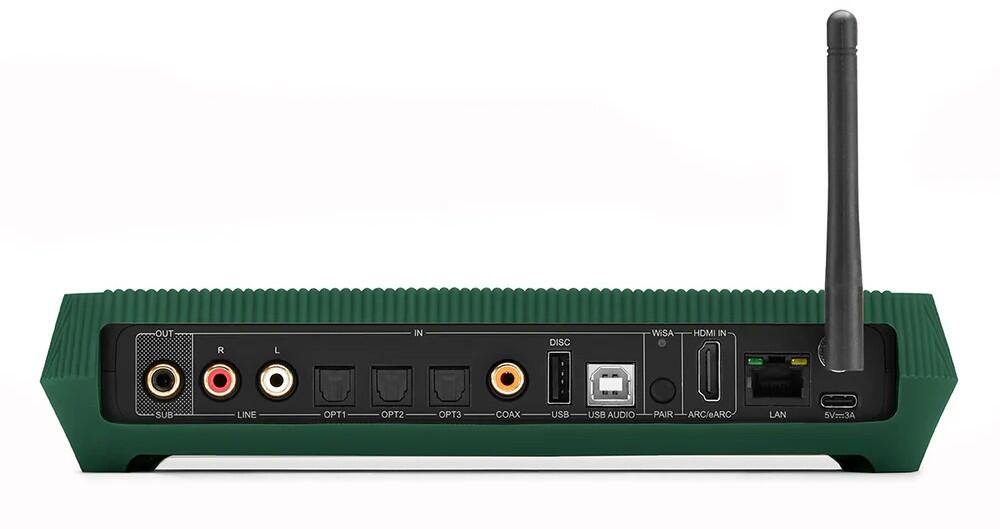
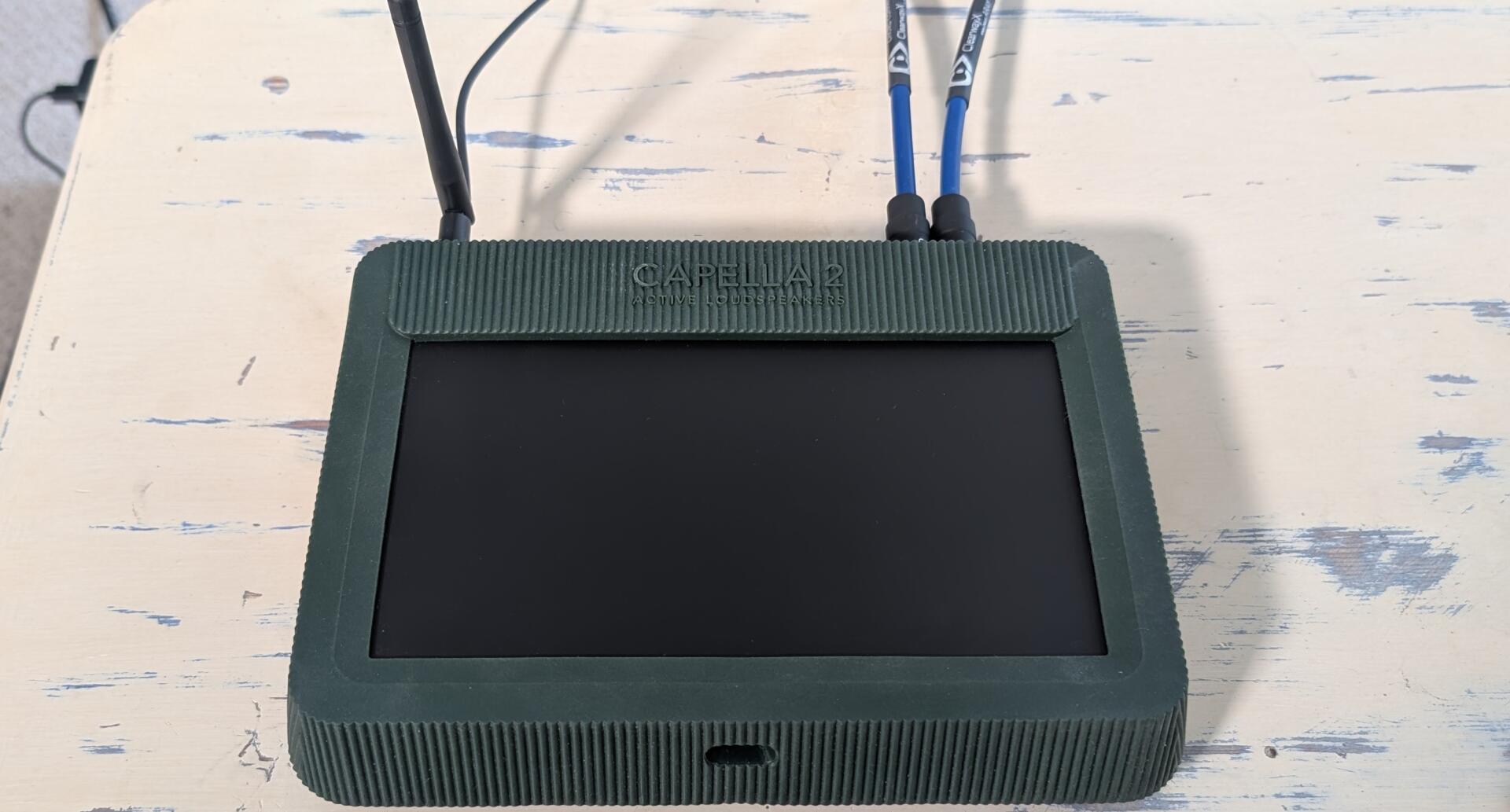
The Capella can be run wireless with the included WiSA Hub. Inputs to the Hub include TV HDMI/ARC (CEC), 1 x USB-B, 1 x RCA Stereo, 3 x optical, 1 x Coaxial, and 1 x USB-A. With the Hub, the sampling ranges are: analogue sources up to 24-bit/96 kHz, digital sources up to 24-bit/192 kHz and Bluetooth up to 16-bit/48 kHz. The wireless WiSA Hub operates at 24-bit/96kHz, with a latency of 2.6 ms.
Quality
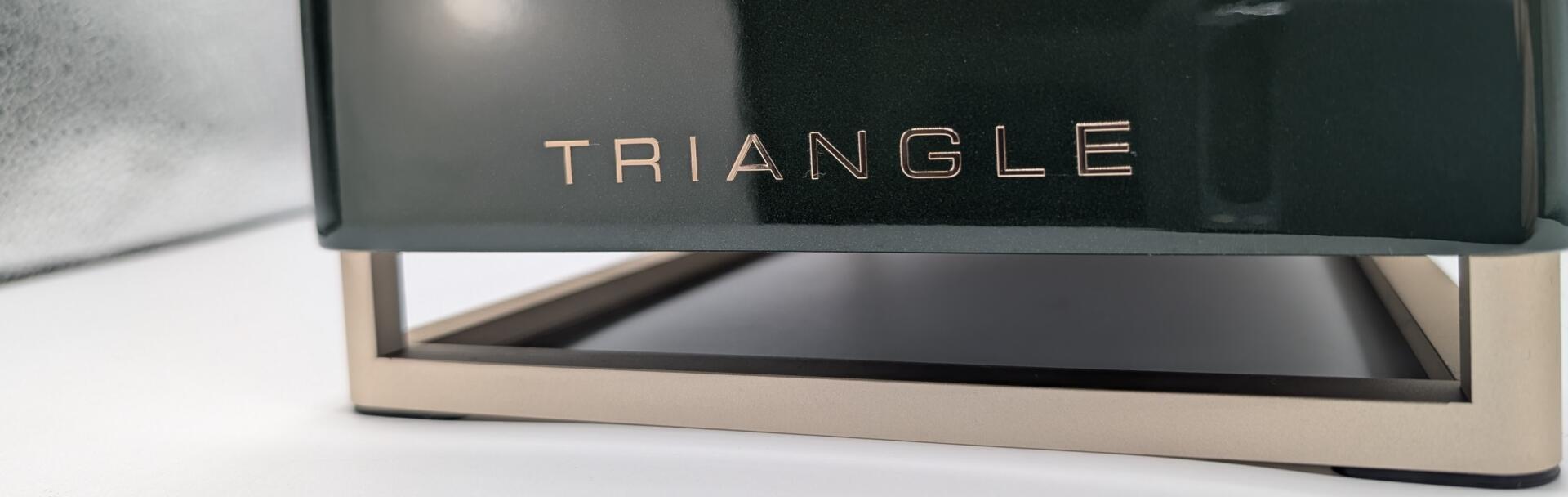
As with all things Triangle, the finish is absolutely immaculate. Soft to the touch; gloves are required, such is the gloss finish of the British (racing) Green Grilles. There are stands available to match the loudspeakers in a matching colour, I gather.
Specification and Price
Capella 2 Active
Dimensions (for 1 Speaker)
Width: 200 mm
Height: 380 mm
Depth: 315 mm
Speaker weight: 8.5 kg
Full details are on the company’s site.
Distribution in the UK is with HEA Distribution
Availability: from Triangle and selected retailers at an RRP of £2299.







Performance
Review Equipment
I was using the Capella 2 Active with and without the Capella Hub. Without the Hub, I was using Clearway X Subwoofer RCAs between the loudspeakers and an immaculate iFi Audio iDSD PHANTOM.
I was using the solid Atacama NEXUS 700 Stands that are ludicrously heavy and, in my case, full of Atabites. They are a perfect size for the Capella 2 Active.
I have them 1.7m apart and about 2.5m away from the listening position.
I have not looked at the digital inputs, but have only used WiSA and Qobuz/Tidal Connect, with and without the iDSD PHANTOM.
Physically
These Capella 2 Active loudspeakers are very good-looking and, being active, there is no clutter, interconnectors, or other nonsense. The power leads in the box appear to have shielding and, fortunately for me, are overlong, making placement comfortable.
When I received the Capella 2 Active, I was focused on the iFi Audio PHANTOM and getting as clean a sound as I could from it; these guys worked a treat.
How Do They Perform with the iFi Audio PHANTOM (No Hub)?
I’m using Tidal (or Qobuz) Connect to the PHANTOM. I have started using Bubbles by Yosi Horikawa (Tidal 24-bit, 44.1kHz) as an initial stereo image track; it consists of a load of balls and table tennis balls bouncing around the soundstage. It is fun and creates a holographic stage and a sense of how big the area is set. Here it is wide and vibrant; the clarity is stunning and intimate.
Speaking of which, Tears of Joy, by Antonio Forcione (Tidal 24-bit, 44.1kHz) is absolute plucking perfection. This is a familiar guitar-based review track that has space and air in the recording, and the Capellas are perfect here with scale and a more forward delivery.
Melanie de Biasio’s “I Feel You” from her No Deal album is similarly wide open, and the flute’s airflow is wonderful; there’s a real sense of presence and space here. The delivery is pristine from both source and loudspeaker, and it’s a real treat to hear. There’s a fraction of that metallic edge, similar to the KEF LS 50 Uni-Q driver, which I am familiar with as the owner of the KEF R700s; there is nothing bad about this at all.
Wireless WiSA with the Hub
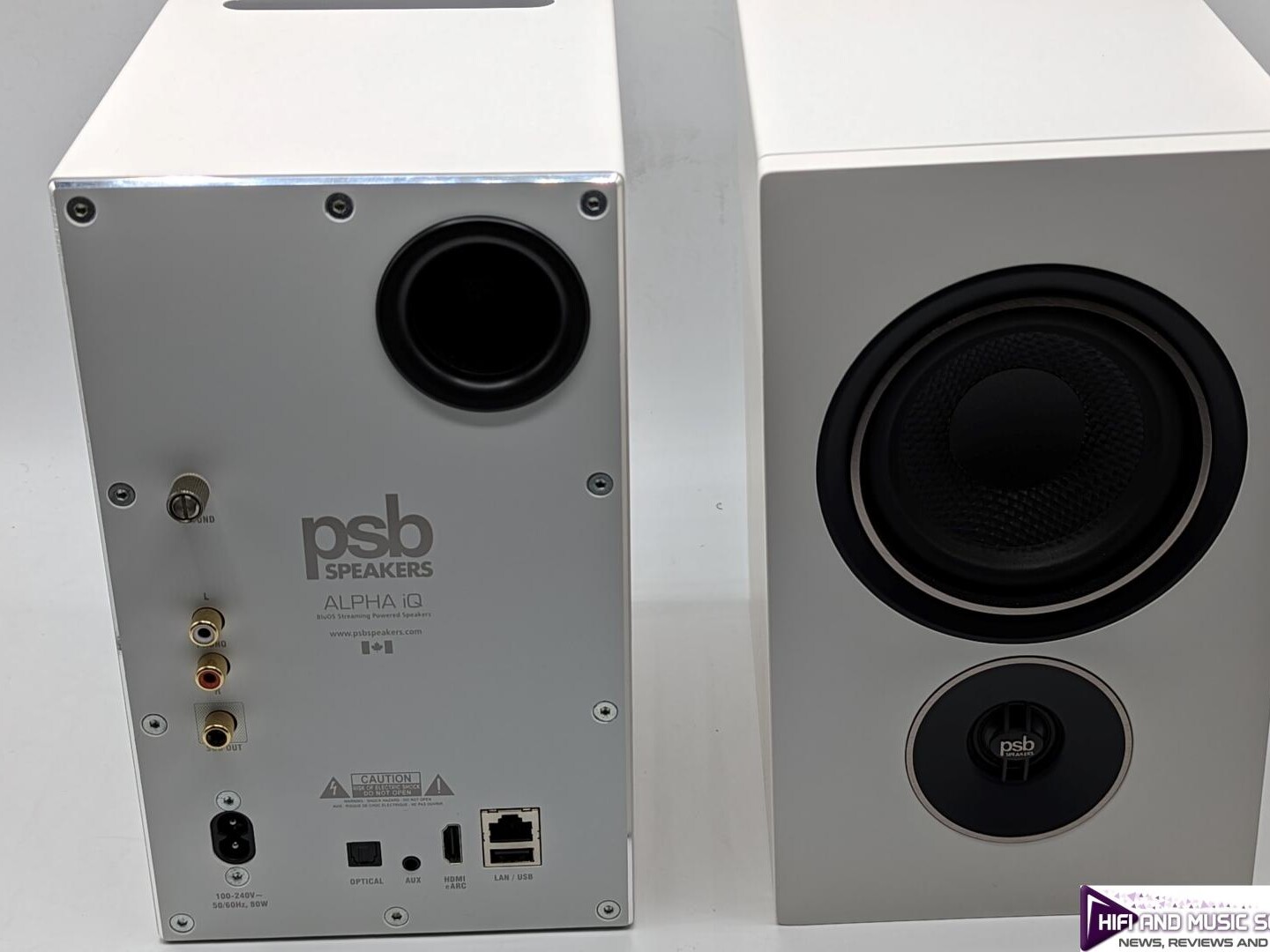
Parking the PHANTOM, the Hub connectivity and ease of use are seamless. The WiSA technology provides wireless connection between speakers while ensuring high-resolution audio transmission with no perceptible latency on general use. Pairing is simple: press the pair button on the Hub and on each loudspeaker (see the top picture of the rear of the left loudspeaker). There is no need for a connector between the two loudspeakers.
In principle, you can plug in digital sources (optical, COAX, or HDMI ARC), a CD player, or maybe your turntable, if you choose. I stuck with Tidal and Qobuz Connect, which paired seamlessly with either my desktop Tidal/Qobuz App or my smartphone. Playback was similarly immaculate, though it would be slightly churlish to ask whether I could perceive any nuance between wired and Hub connectivity, given the excellence of the source and the soundstage. There’s not much in it, to be honest, though I’m always going to be biased toward wired.
The Hub is Roon Ready and supports UPnP DLNA protocols.
AK Connect
I realised I might be able to connect the excellent Astell&Kern SP3000M to the Hub with the AK Connect App. Sure enough, the clarity is there; for example, with Melanie de Biasio’s No Deal album that I have on the internal storage, there was the same clarity and resolution from the flute.
Bluetooth
Pairing the Hub with my old iPad was easy. Listening to the Test Match on BBC Sounds was a real joy.
Apple AirPlay Chromecast, etc.
All of this connectivity worked pretty seamlessly; YouTube videos with a proper soundstage are quite a thing really.
I did not use the Triangle App, but there is one for room correction and tone control, amongst other features.
Playlists
I was using the Naim Upgrade Tidal playlist for this review. Selected other tracks from Qobuz.

Thoughts
Having mentioned the KEF LS50s, I guess these are in the same conversation for a wireless standmount solution at a similar price too. For me, my experience with Triangle has been faultless, and I may edge them. The Hub is super reliable and can easily be hidden away, I’m sure. Having a turntable to the side plugged into the Hub with the soundstage in front of you feels quite appealing. I didn’t quite have the time to do this, but that is what I would think about with these loudspeakers.
What Three Words
Active – Pristine – Spacious
Overall
Absolutely love everything about these loudspeakers, and the Hub is the unique selling point.

Love
- Good looking
- Racing Green
- The stereo image – immediate
Like
- The Hub flexibility
- Able to bypass the Hub
- Long power leads
- Bluetooth
Wish
- Maybe XLR inputs to the loudspeaker
- Nothing else
Triangle Capella 2 Active Highlights
Related Posts

Kii SEVEN active speakers – major software upgrade
Kii SEVEN active loudspeakers that have received…
Edifier S880DB MKII Active Hi-Fi Speaker

Edifier S880DB MKII Actives deliver impressive…

Edifier Announces M60 Compact Multimedia Desktop Speaker
Edifier announced the M60 Compact Speaker this…