



Introduction
It seems like only a few years ago that Meze were the new kids on the block. I find it scarcely believable that ten years have now passed since the launch of the Meze 99, which has since become a household name within our niche world. Since then, this now most respected of Romanian headphone brands produces an extensive range of both over-ear and in-ear phones, from the affordable ALBA I.E.M. and ’99 Neo, right up to the £3,749 Elite planar magnetic models.
Meze has a reputation for producing headphones that lean towards the romantic side of neutral. I really enjoyed the original LIRIC headphones, which I was fortunate to review for another publication back in 2022. Since then, I have been eager to sample another product from Meze’s stable, so when The Editor asked me to review the new 105 SILVA headphones, I was delighted to do so.
As you can read in Simon’s review, he loved the Meze109 Pro and praised it. Priced at £469, the Meze Audio 105 Silva sits just below the £769 109 Pro, but above the sister 105 AER model, which retails for £369. Both versions of the 105 use the same drivers, but the 105 AER has been tuned for a more ethereal, lusher balance, whereas the 105 Silva is tuned for a more detailed and precise presentation. All three models are over-ear and open-back, so it’s a matter of choosing the model which suits your budget and perhaps tastes.
Design and Build
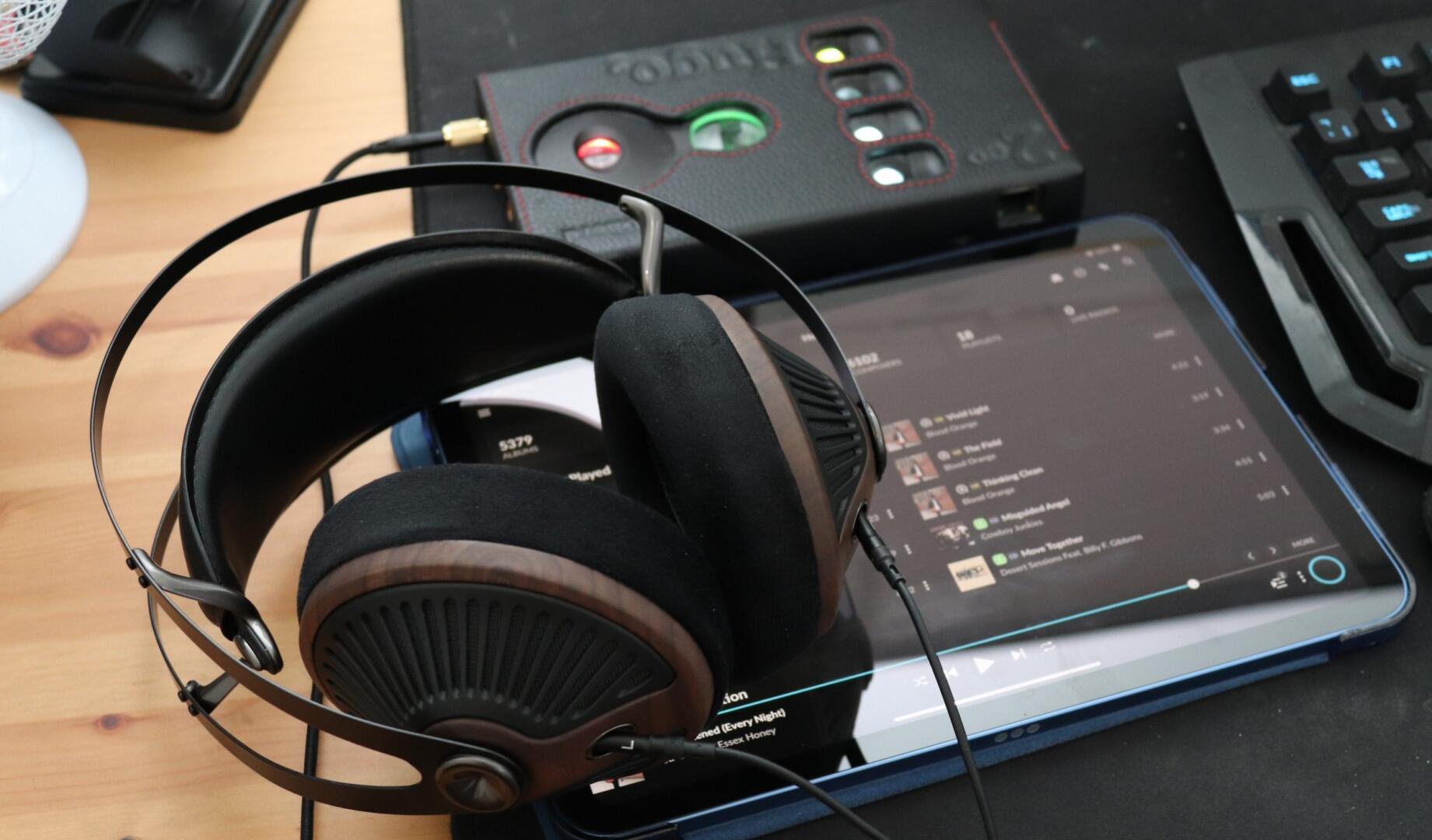
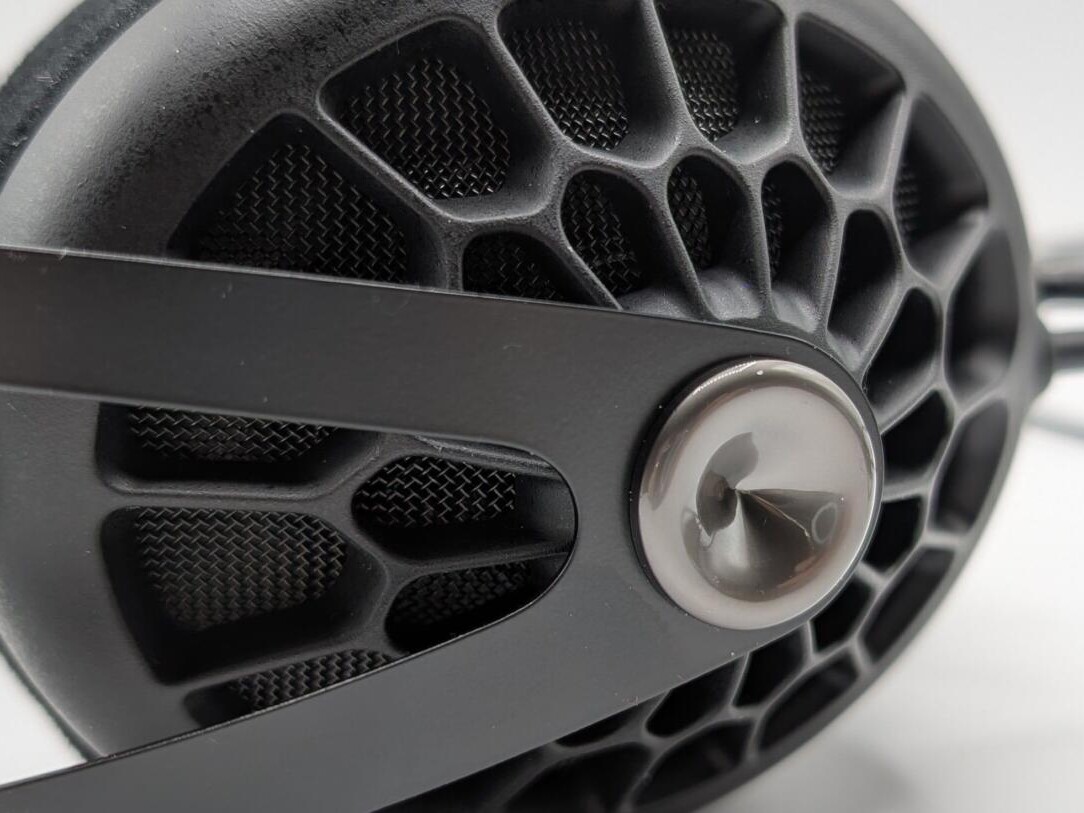
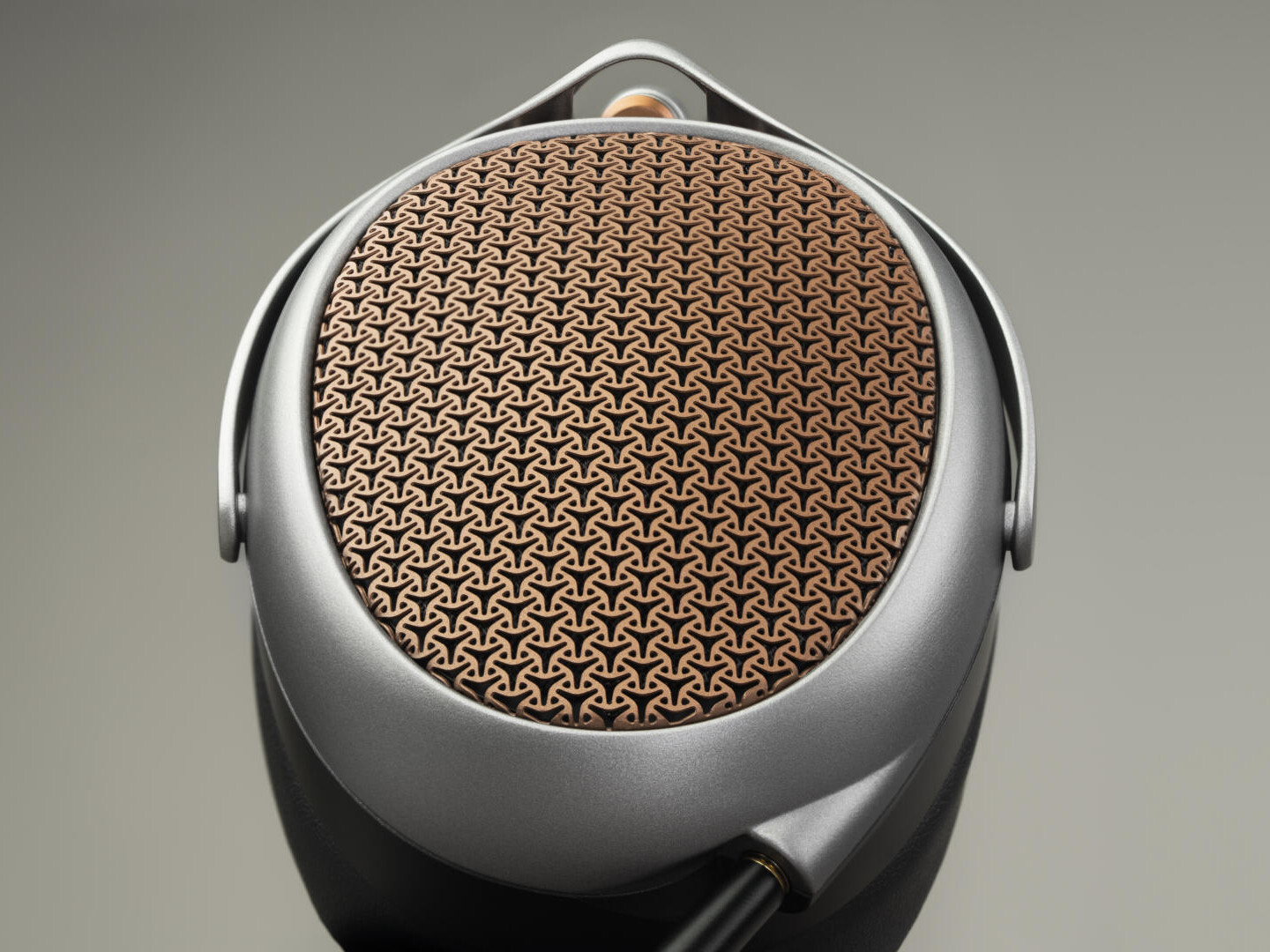
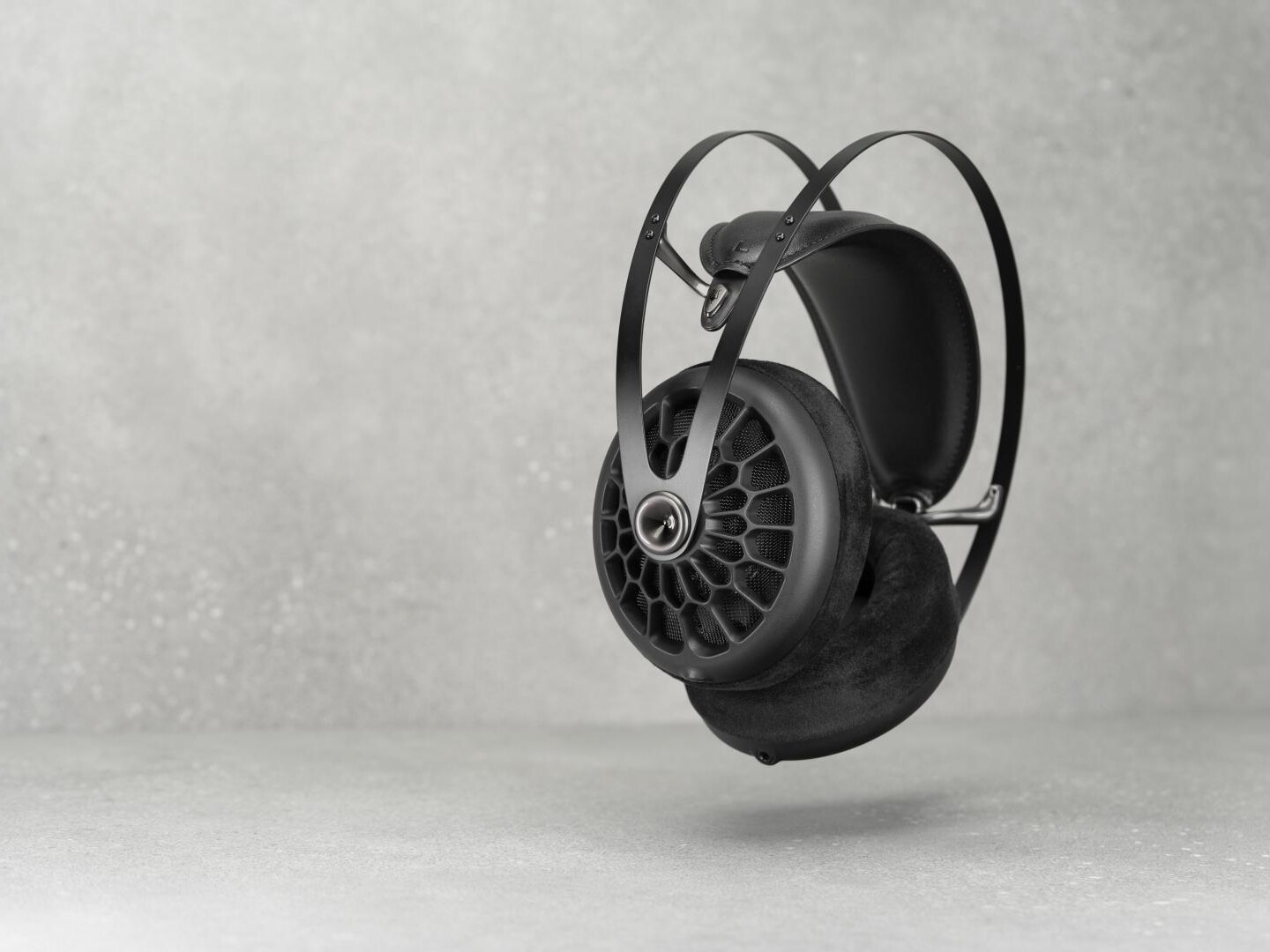
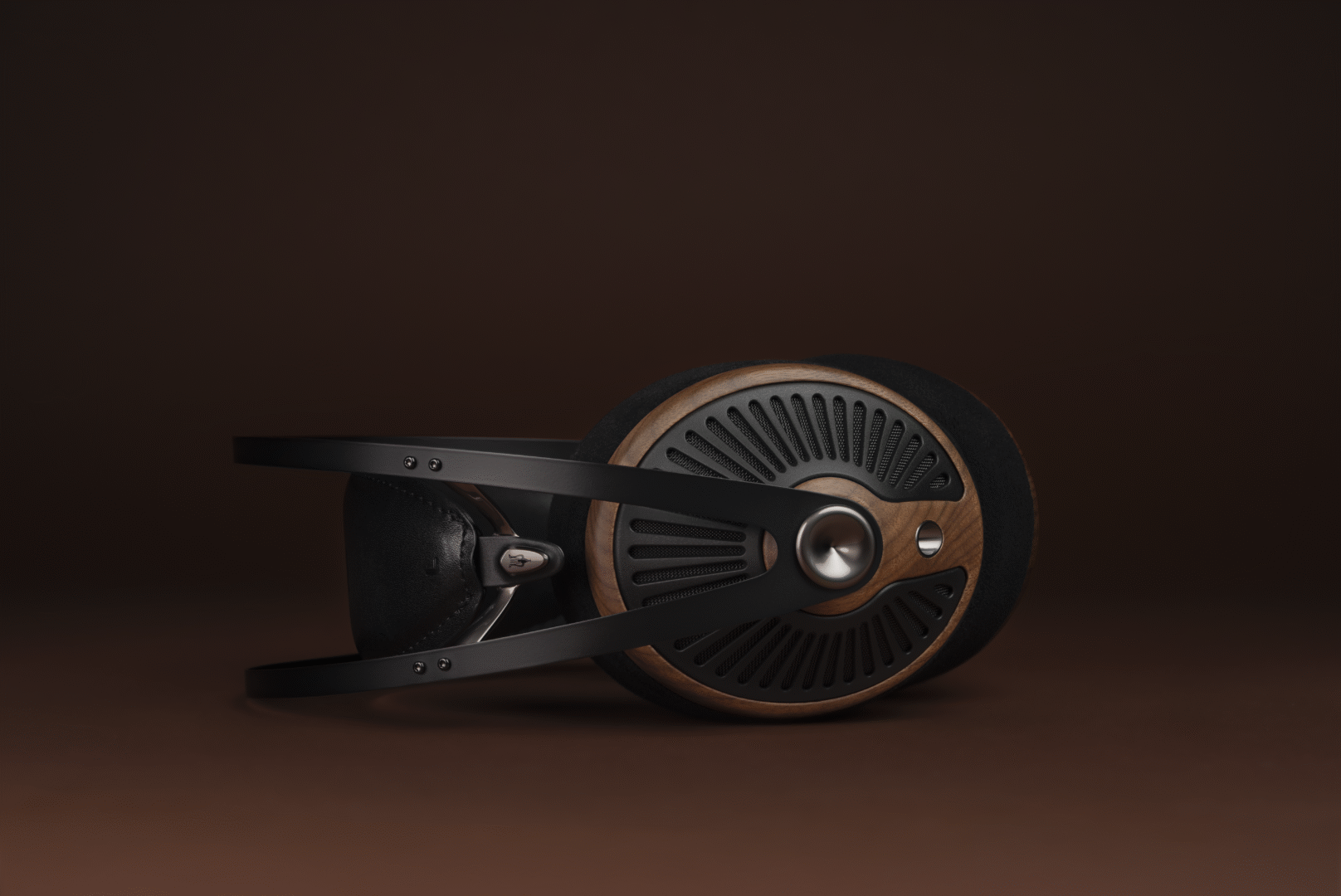
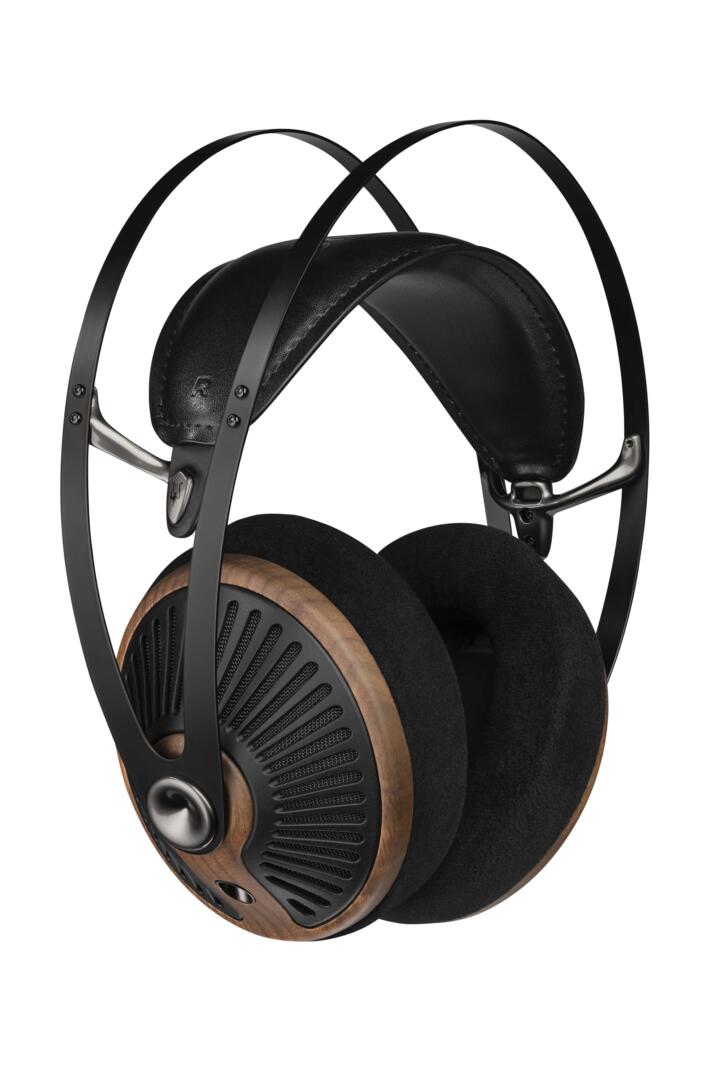
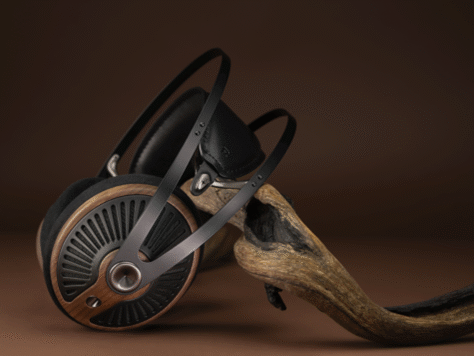
As you can see from the photos, the Meze 105 Silva’s walnut and ABS plastic ear cup frames are distinctive and give the headphones a classic look. The PU leather headband feels comfortable on the scalp and is well finished. The band beneath the PU leather expands and contracts to fit your head, rather than the traditional method of sliding the cups up and down. Surrounding this is the classic Meze steel outer band, which attaches to the outside of the cups. I found these headphones to be extremely comfortable over long listening sessions. Despite their solidity, they are surprisingly light, weighing only 354g, which helped me forget I was wearing them.
The cables are detachable, as are the velour pads. Every part of the headphone is replaceable, which, along with the general high standard of build quality, means these headphones should make for a good long-term investment. The cables have an OFC core, with the main run wrapped in Kevlar. I liked that you could touch the cables without the annoying microphonic noises that you get from some headphones. A USB-C adaptor is provided, which could prove helpful when away from home. Being an open-back design, there is obviously some sound leakage, so you will be sharing your choice of music with those around you if you listen in public.
These headphones are a dynamic driver type, rather than planar magnetic. I must say that this is a good way to go at this price point, as in my experience, lower-cost planar magnetic headphones tend to be compromised in some way. The drive units consist of 50mm carbon fibre-reinforced cellulose composite W-shaped domes. The doughnut-shaped circular dome surround, which Meze refers to as a ‘Torus’ (I confess to using Wikipedia for the definition), consists of a titanium-coated semicrystalline polymer. The torus has grooves around the circumference at 45-degree angles to control resonances.
The Meze 105 Silva arrived in an attractive and solid-feeling box, with the headphones themselves housed in a clamshell hard case, which I feel gives a great first impression. The cables and USB-C dongle are housed in a nice fabric zipper case. Clearly, a lot of thought has been put into the packaging, which is the mark of a company that is serious about creating an impression of quality.
For fans of numbers, the quoted frequency response is 5 Hz to 30kHz. Impedance is 42ohms and THD 0.1% at 1kHz.
Enjoyable Music
My set appeared to be pre-used, but still benefited from a good few hours of use. They were tonally impressive out of the box but initially sounded somewhat restrained. It took a good week of light use before they really showed what they could do.
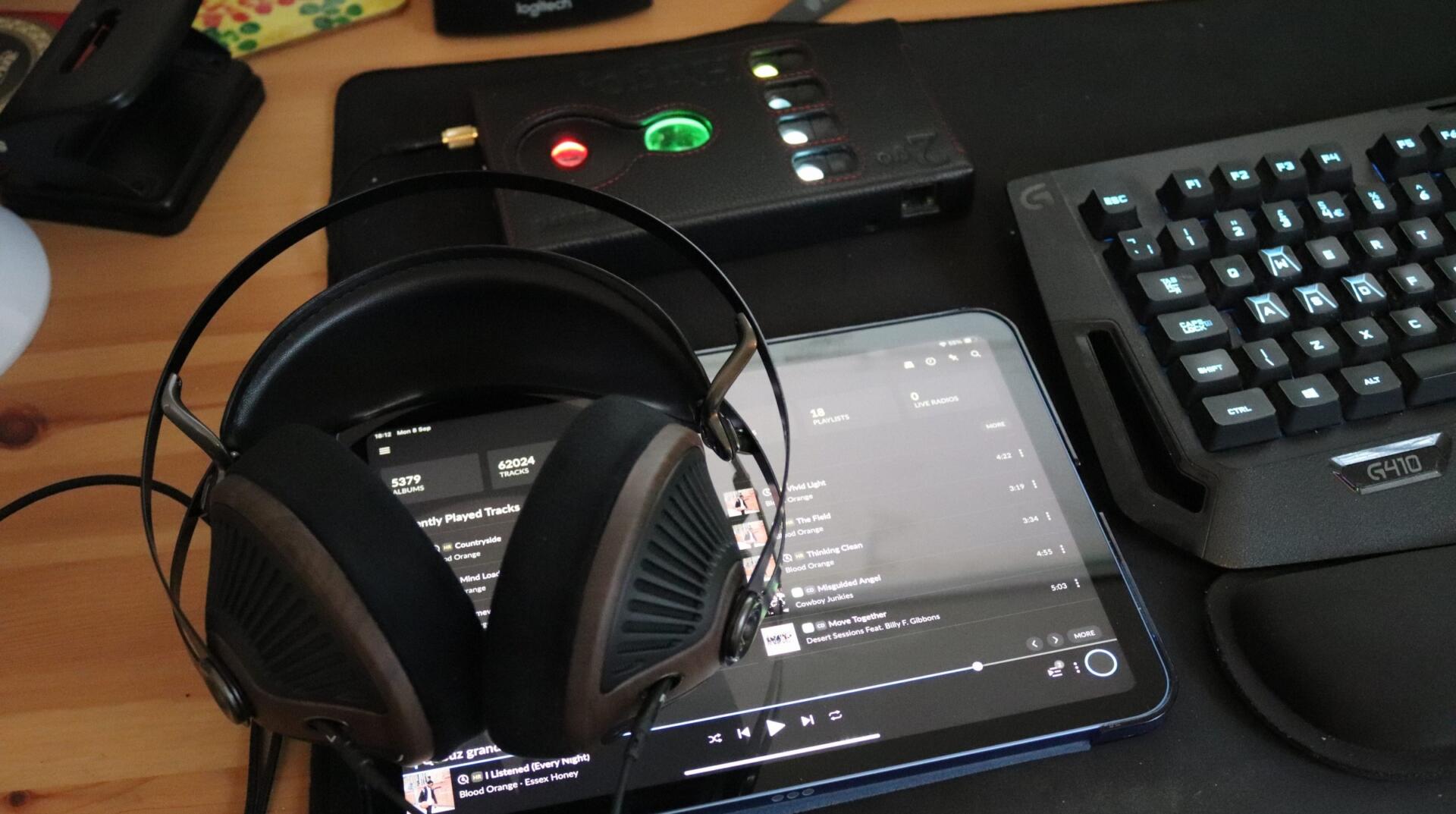
I began feeding them with my Chord Poly/Mojo, simply because I had it to hand. The 105 SILVA is comparatively sensitive and of low impedance, but even so, it needed something beefier than the Mojo to flesh out the low frequencies. The Chord 2Go/Hugo2 did much better here and brought about some much-needed fullness and kick to the low-end, as well as a broader and taller soundstage. Speaking of which, the 105 Silva did a pretty good job with the placement of instruments across the width and height of the soundstage, but was slightly lacking in depth. From what I understand, this is where the 109 Pro excels by comparison. In this regard, my Hi-Fi Man Sundara proved superior, although these now obsolete headphones proved far less satisfying overall compared to the 105 Silva, especially in the frequency extremes. Perhaps the Sundara delivered faster transients, but they can also sound slightly splashy in the high frequencies and are generally too bright for my tastes these days.
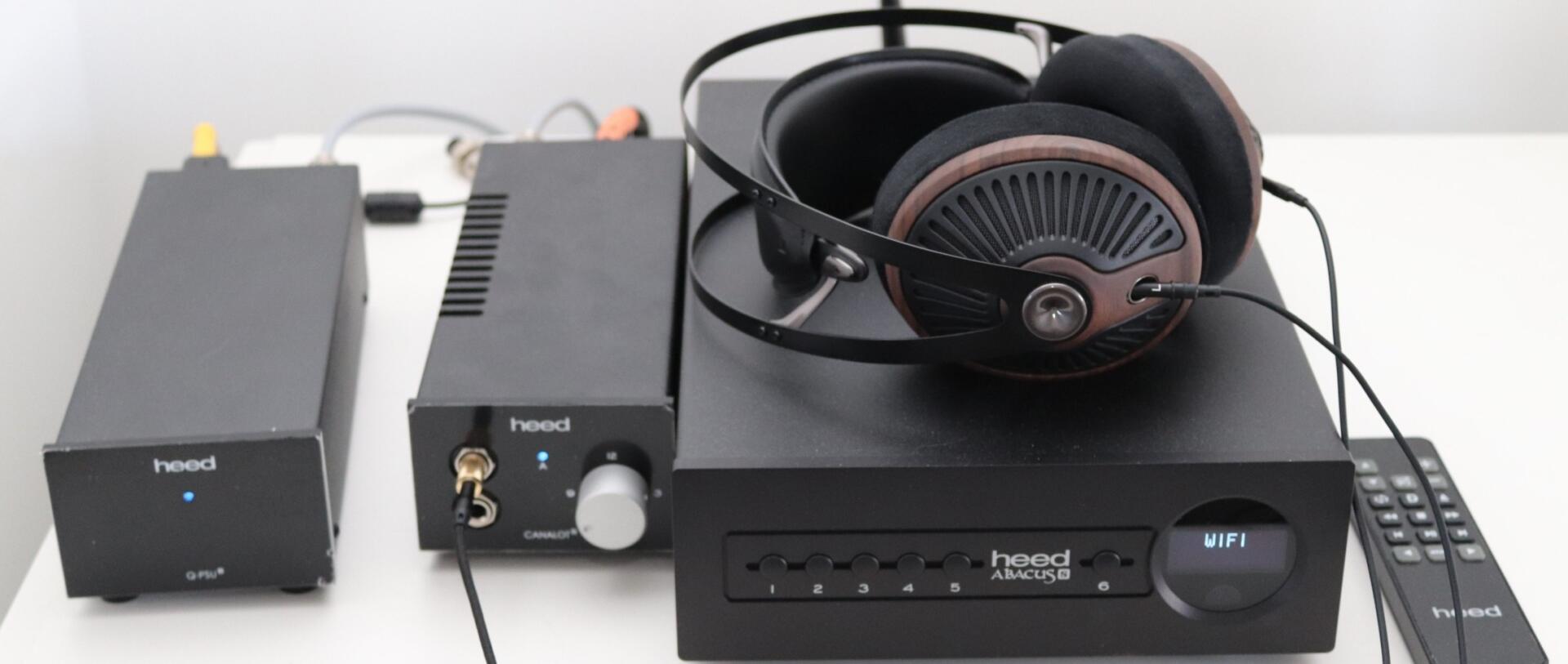
However, the 105 Silva excelled when driven by my Heed Canalot III/Q PSU headphone amplifier. I fed this with a Heed Abacus S streaming DAC, which I am currently evaluating for a review in another publication. This combination delivered a far fuller and richer balance than the Hugo 2’s headphone output stage, with significantly superior dynamics, timing and immediacy. I wouldn’t say that it is essential to feed the 105 Silva with a dedicated headphone amplifier, but these comparisons proved the merit of doing so. My experience is that the weaker the output signal feeding these headphones, the louder I needed to play them to get satisfactory low-frequency punch and dynamics. When using the Heed Cannalot III amplifier to feed the 105 Silva, the music was full-bodied even at low volumes.
I found the 105 Silva thoroughly satisfying musically. The low frequencies are full and underpin most types of music well. However, the four times more expensive Sendy Peacock headphones I recently returned from a long-term loan had a bit more kick and, subjectively at least, dug deeper. The mid-range is slightly forward, but not intrusively so. The high frequencies are well extended and airy, but they stayed well away from being too bright. Overall, there was good definition and punch across the frequency range. Timing is pretty good, if not quite in the same league as top-end planar magnetic ‘phones.
What I really like about the 105 Silva is how they combine a mildly warm and rich presentation with good levels of detail and definition. The top end proved impossible to provoke into unpleasant harshness or hardness with the music and sources I fed them.
These headphones proved transparent enough to distinguish between digital file formats. I spent an evening comparing a few of the early Steely Dan albums, which I own in both 24/192 and DSD formats. The Meze 105 Silva informed me that the DSD masters had a slightly spotlit top end, but the 24/192 files had a bit more energy and dynamism. Equally, the DSD mastering of Miles Davis’s Kind of Blue sounded brighter than the 24/192 version, revealing more about the acoustics of the studio room in which it was recorded all those years ago. The 24/192 proved more satisfying overall, however, with a fuller bass and superior dynamics. So, despite that warm and friendly balance, the 105 Silva is also a revealing headphone.
The USB adaptor
I tested this with the output from an iPad, using the JPlay UPnP controller app, which I love. The adaptor worked well enough for its intended purpose, but it is no substitute for a good DAP or headphone amplifier. The music sounded clear and reasonably detailed, but also somewhat vague and lacking in definition, which smeared timing information. The bass didn’t really come alive until the volume was turned up to an uncomfortable level. Naturally, I was not surprised by this, as Meze is effectively including a free DAC and mini headphone amp in the package, but it is a compromise.
Pricing Specs and Availability
The Meze Audio 105 SILVA Open-Back Over-Ear Headphone is £469 (€499)
It is available through the Meze Audio website here, as are the full specifications
The quoted frequency response is 5Hz-30kHz.
Impedance is quoted at 42 Ω, with a THD of 0.1% at 1kHz.
Weight 354 g (12.48 oz)






Conclusion
Choosing the right pair of headphones can be a bit of a minefield. With a loudspeaker, your choice will often be dictated by what works best in your room. Removing this element leaves more room for personal preference, and indeed, many audiophiles will have several pairs of headphones, even choosing different ‘phones for specific genres of music. The 105 Silva ticks most of the boxes that are important to me. Some may wish for a little more soundstage depth, which I understand the 109 Pro provides, albeit for a considerable premium.
The 105 Silva’s combination of terrific looks, superior build quality and superb musicality is rare at this price. This is one of those headphones you can relax with while it fills your head with involving music. For the majority of music lovers, it’s a headphone that can do it all and should be placed at the top of the shortlist if you are searching for a pair of open-back headphones at this price point. I could certainly live with them and will miss them when the day comes to return them.

Meze Audio 105 SILVA Highlights
Related Posts

Meze Audio announces ARTA Reference Headphones

Meze Audio has announced a new reference…
Meze Audio 99 Classics 2nd Generation
The Meze Audio 99 Classics 2nd Generation remains…


Meze Audio POET Planar Magnetic Headphones
It will be a strange day when Meze Audio releases…