Introduction
It is often said that the pursuit of the “original sound” is a journey without a final destination, but South Korean maestros Astell&Kern seem intent on proving that theory wrong. Following the spectacular success of the more manageable SP3000M—which, in my view, set a benchmark for what a portable source could achieve—we now have the A&ultima SP4000.
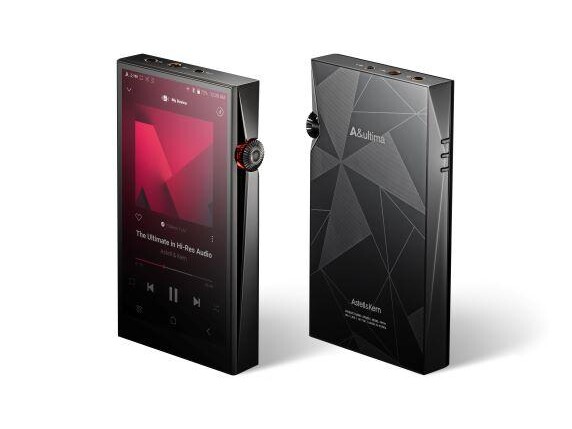
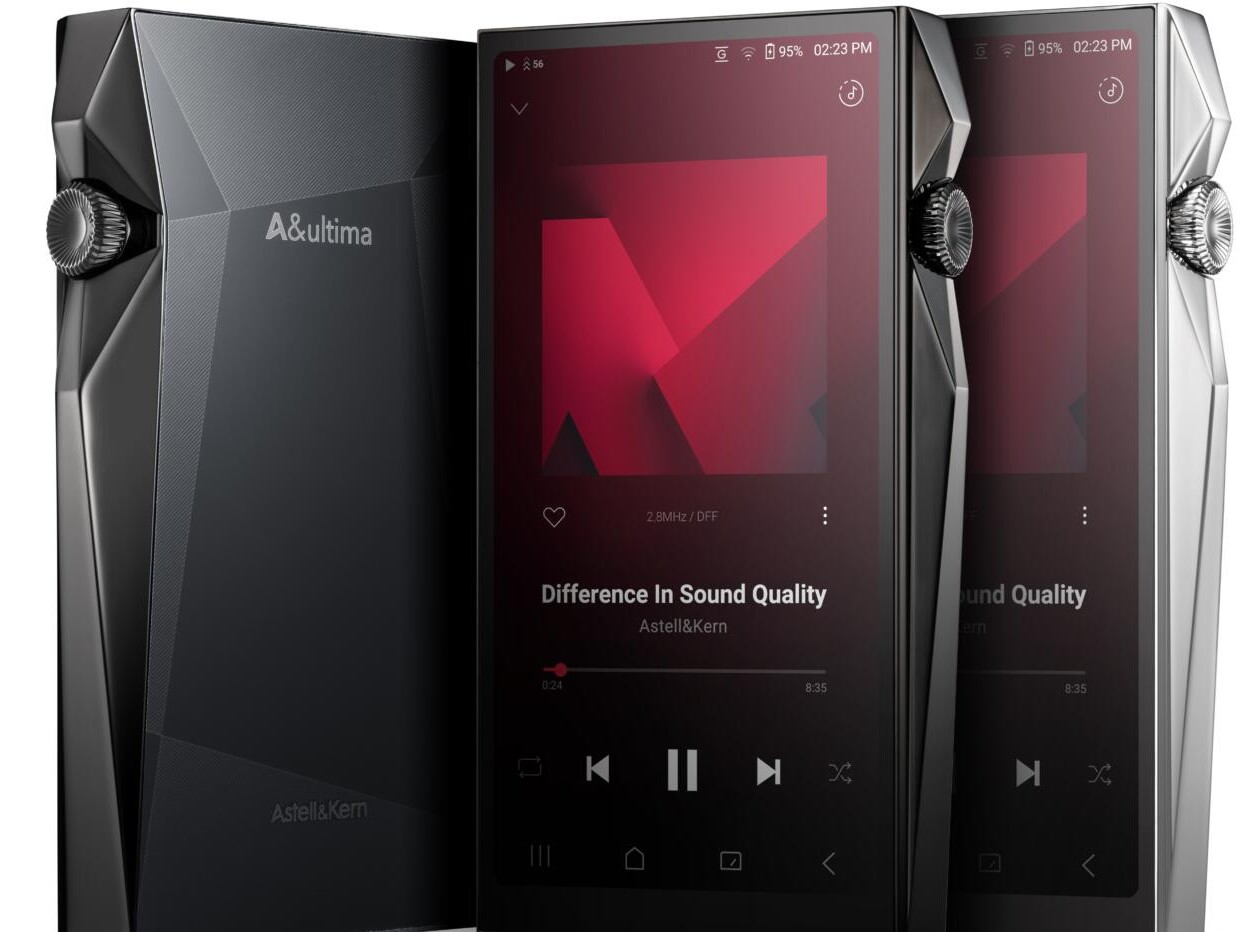
At £3,799 (or a bit more if you fancy the rather gorgeous 99.9% pure copper edition), this isn’t just a music player; it is a serious statement of intent. Hewn from the same 904L stainless steel you’d find on a Rolex, the SP4000 feels less like a gadget and more like a precision-engineered “brick” of musical potential. It’s certainly substantial—tipping the scales at over 600g—meaning it won’t be living in your shirt pocket, but then again, equipment of this calibre demands a bit of ceremony.
With a new 6-inch 2K screen and a full Android OS integration that promises a “bar of soap” smoothness to the interface, the SP4000 looks to bridge the gap between high-end desktop performance and the convenience of a modern smartphone. I’ve had the SP4000 for about 10 days, just ahead of Bristol, when I handed it back. I’ve paired it with everything from the Meze Audio Elite to some rather revealing IEMs to see if this new flagship truly reaches the “core” of the music.
Design
The A&ultima SP4000 has a lot going on here; this is Astell&Kern’s flagship device from the A&ultima premium range, so buckle up. The SP4000 is the first Astell&Kern player running full Android, enabling direct access to established Android apps like Spotify, TIDAL, and Qobuz. Bit-perfect playback is preserved using AK’s proprietary ADP (Astell&Kern Direct Path) audio engine.
The A&ultima SP4000 uses true Quad‑DAC Octa-Circuit Architecture, which pairs four AK4191 digital processors with four AK4499EX DACs. This architecture, claims A&K;
dramatically improves signal separation and delivers an exceptional 131 dB SNR
There is a new feature called High Driving Mode that uses parallel Op-Amps for driving the most demanding headphones and IEMs with power and dynamics. A&K describe this new feature as;
engaging a four-wheel-drive mode on a car.
A&K has upgraded its DAR (Digital Audio Remaster) system, which uses a two-stage process made up of a Virtual Sound Extender (VSE) that restores lost harmonics, then the DAR up-samples. The result, claims A&K, is;
richer, more immersive, architecturally accurate sound.
The A&ultima SP4000 features a 6”, 2160 x 1080 2K touch display.
Quality
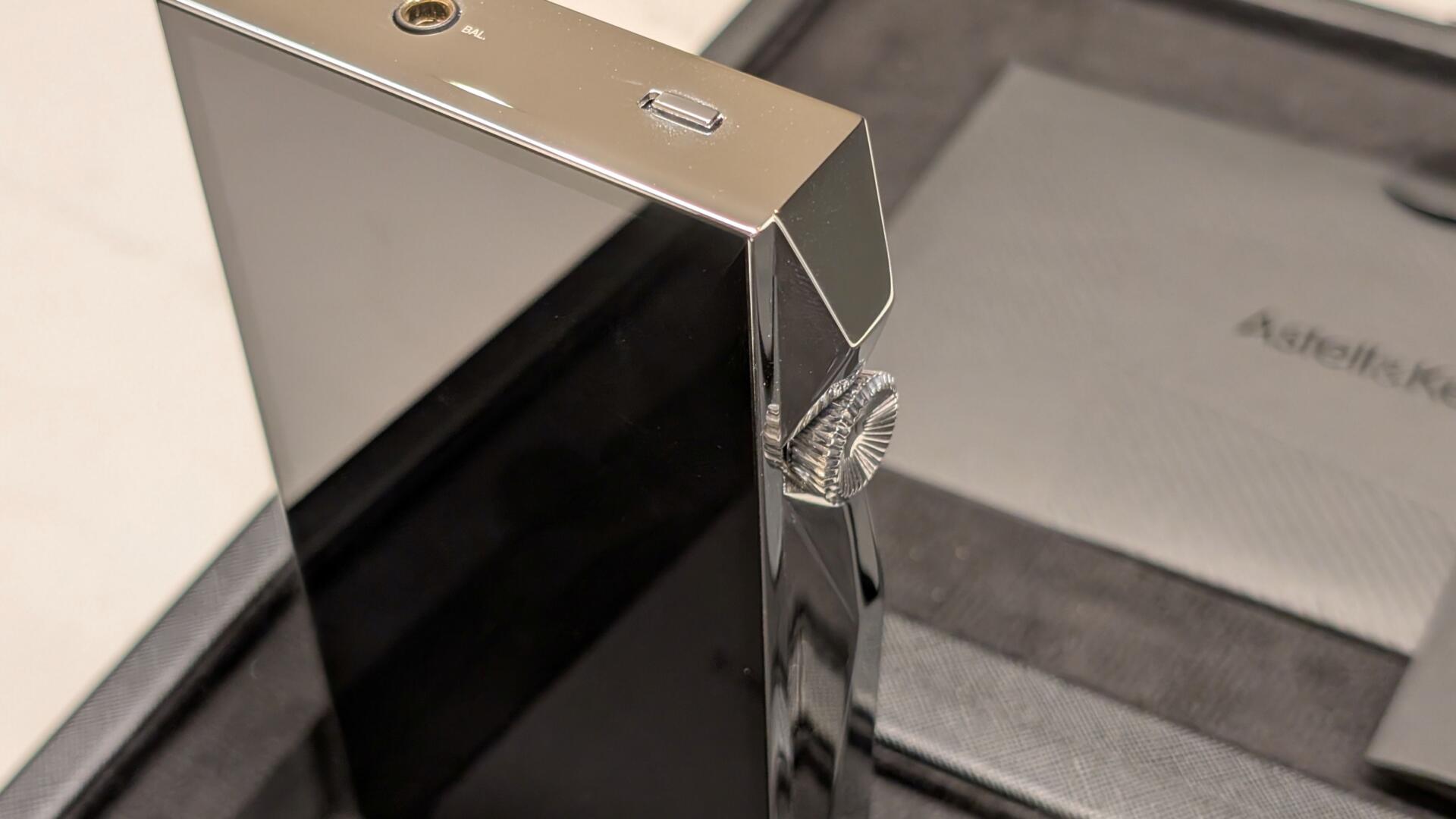
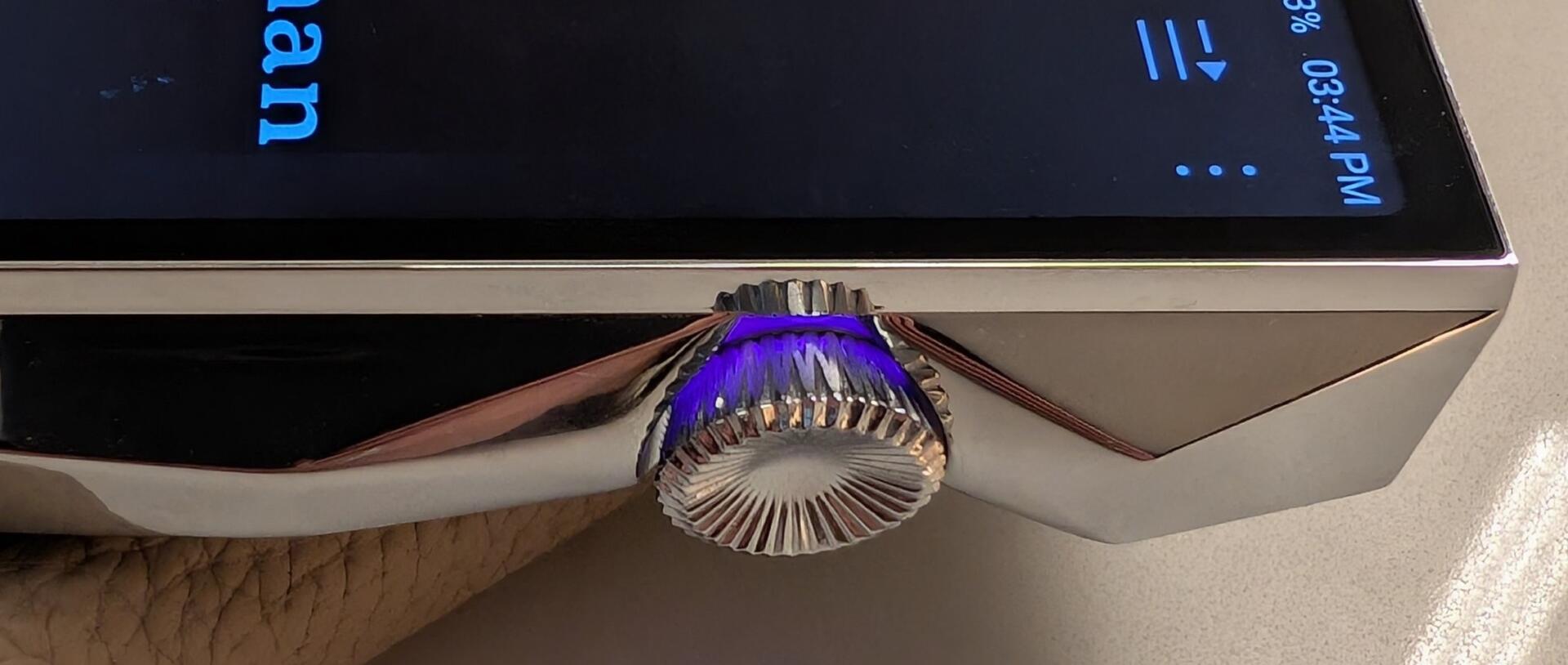
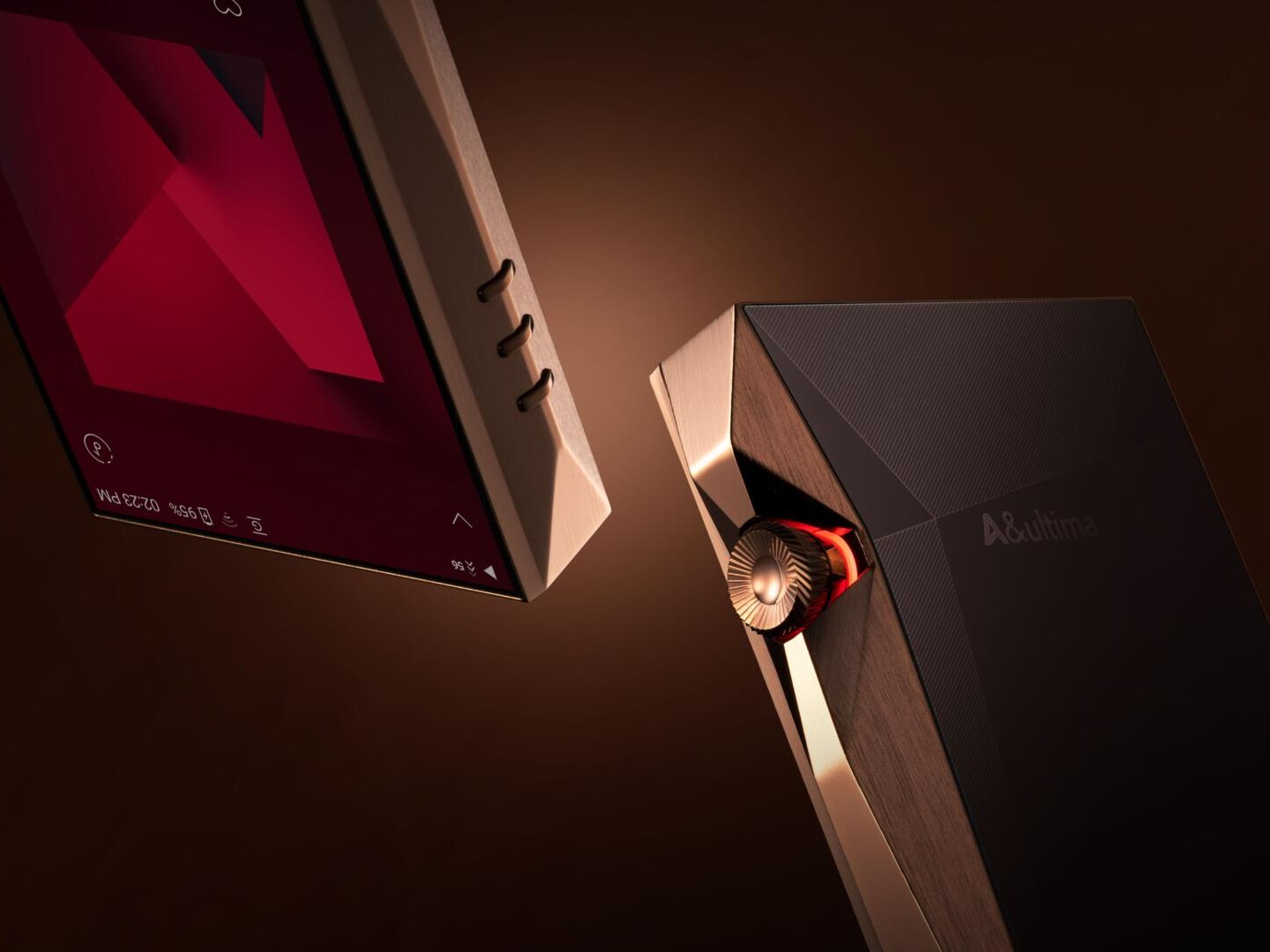
The SP4000 uses 904L stainless steel, a material never used before in a portable audio player. Using this material has expanded its value beyond a digital device into the realm of a luxury good. This 904L stainless steel is harder and more difficult to process than general stainless steel, requiring significantly more time and effort. However, due to its excellent durability and corrosion resistance, it maintains its beauty, which is why it is used in expensive luxury watches where perfection in all materials and parts must be pursued with an irreplaceable, wonderful lustre.
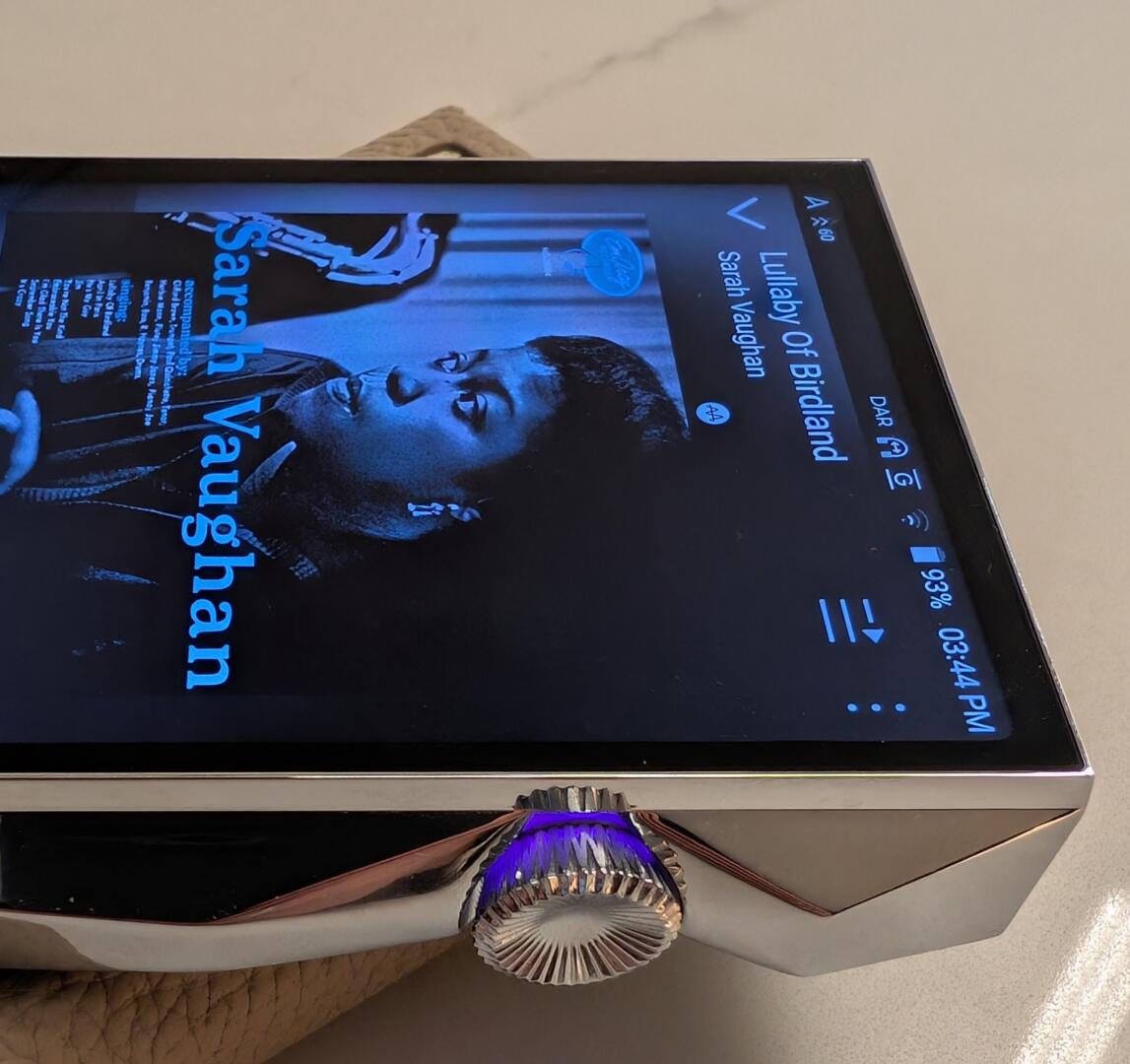
Overall, the bezel is the definition of absolute luxury, and at its base, the signal quality is indicated by a variety of colours, which is very classy indeed.
Specification and Price
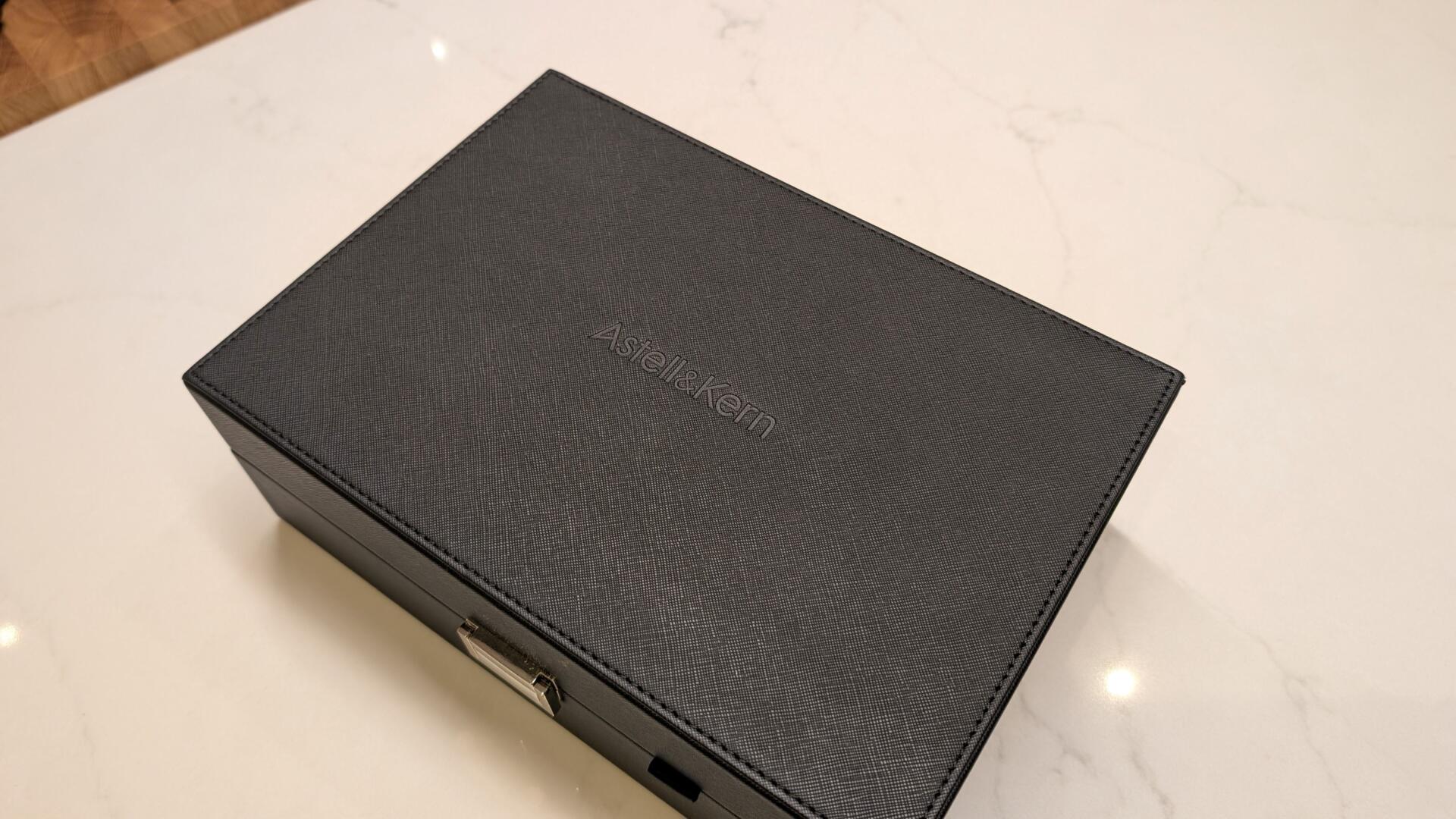
A&ultima SP4000 – In the Box
1x Astell&Kern A&ultima SP4000 player
1x High-End Shrunken Calfskin Case
1x USB-C to USB-C cable (1 metre)
3x screen protectors
1x Quick start guide
A&ultima SP4000 – Specification
Model SP4000
Body Color Black, Silver or Limited Edition Copper
Body Material Stainless Steel 904L
Display 6inch 2K (2160 x 1080) touch screen
Supported Audio Formats: WAV, FLAC, WMA, MP3, OGG, APE, AAC, ALAC, AIFF, DFF, DSF
Sample rate PCM : 8kHz ~ 768kHz (8/16/24/32bits per Sample) DSD Native: DSD64(1bit 2.8MHz), Stereo / DSD128(1bit 5.6MHz), Stereo / DSD256(1bit 11.2MHz), DSD512(1bit, 22.4MHz) Stereo
Output Level Unbalanced 4.1Vrms │ Balanced 8.2Vrms (Condition No Load)
CPU Octa-core DAC AKM4191 x4 + AKM4499EX x4 (Real Quad DAC)
Decoding Support up to 32bit / 768kHz Bit-to-Bit playback
Input USB Type-C input (for charging & PC, & MAC)
Outputs Unbalanced Out (3.5mm), Optical Out(3.5mm) Balanced Out (2.5mm, only 4-pole supported | 4.4m, only 5-pole supported)
Wi-Fi 802.11 a/b/g/n/ac (2.4/5GHz)
Bluetooth V5.0 (A2DP, AVRCP, Qualcomm® aptX™ HD, LDAC, LHDC, SBC, AAC)
Dimensions 85mm[W x 149.8mm[H] x 19.5mm[D] (3.34” x 5.89” x 0.76”)
Weight ~615g
Feature Enhancements Firmware upgrade supported (OTA: Over-The-Air)
Battery Capacity 6,780mAh 3.8V Li-Polymer
Charge Time about 5 hours (QC3.0 Charging)
Playback Time about 10 hours (Standard: FLAC, 16bit, 44.1kHz, Vol. 50, LCD Off)
Price – £3799
Availability – Retailers and Futureshop
Full details are on the company’s site.


Performance
Review Equipment
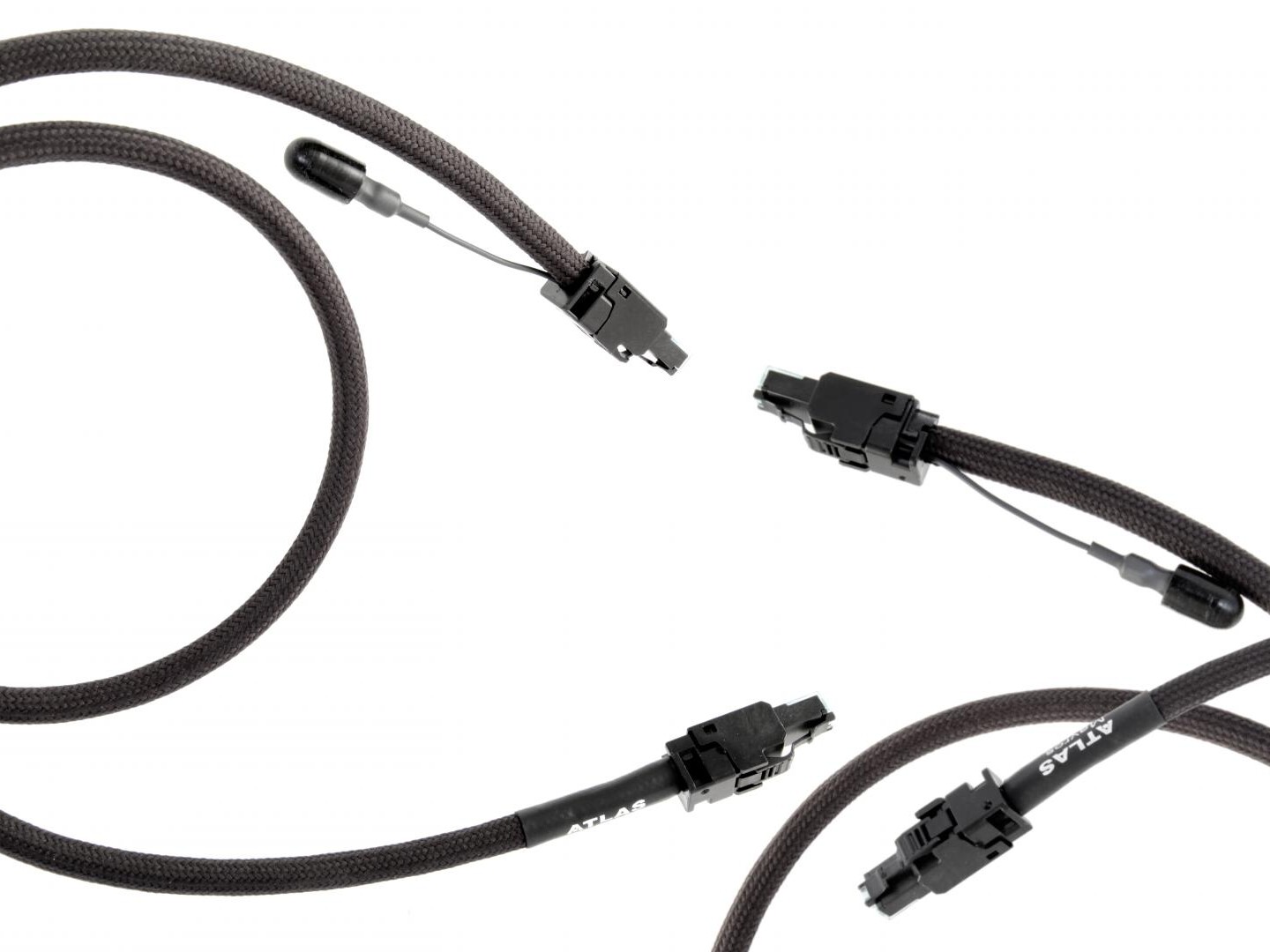
I’m comparing the SP4000 with the SP3000M using Campfire Alien Brain IEMs, Meze Audio ADVAR IEMs (with which I have a long-term relationship, and love for), Meze’s flagship ELITE over-ear headphones with the Atlas Zeno Seraphic cable upgrade and a pair of surprising fifty-quid AIRO Astra IEMs that I received at the iDSD Phantom launch.
Physically
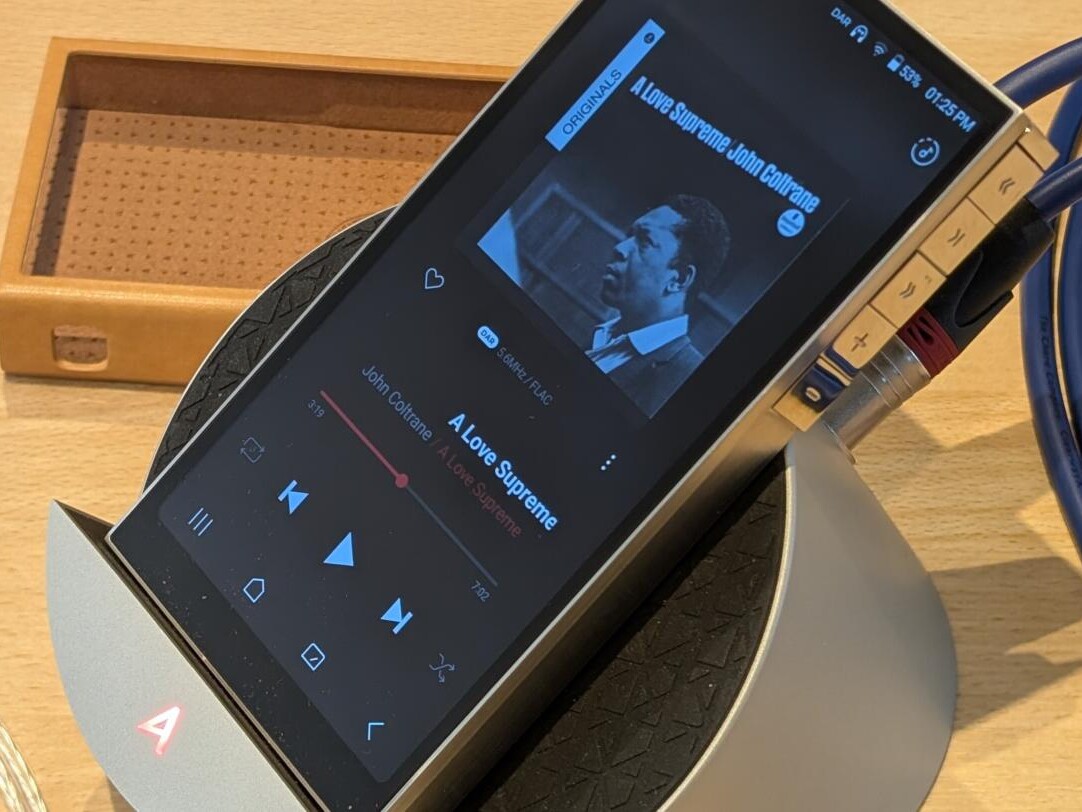
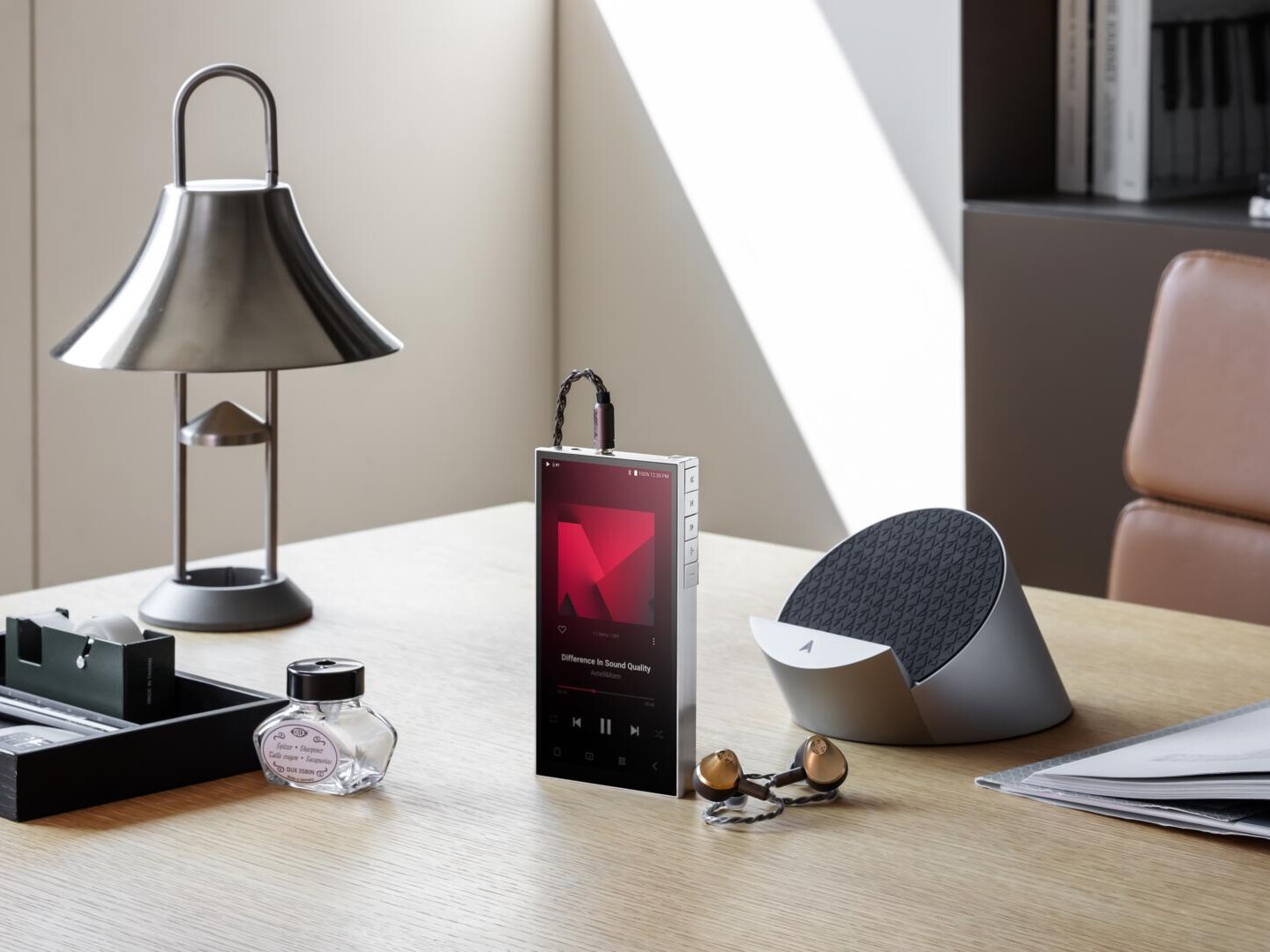
The 4000 is a chunkier option than the recently reviewed A&K 3000M, but it is similar in size to the A&K PD10. It is certainly a weight in your rear pocket. I’m back to using my UniGlo sling bag for walks with the 4000, as I was with the cradled PD10. I have to say, a cradle with this 4000 would be an endgame for me.
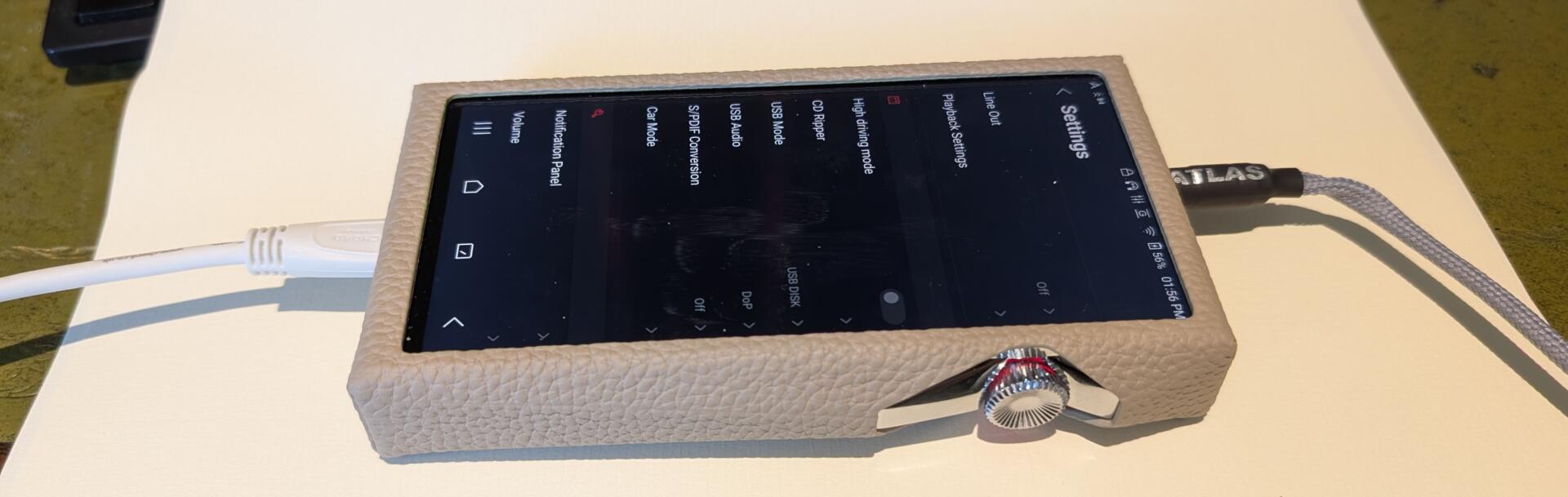
There are no rear sharp angles with the 4000, and the leather side-loading case removes the fingerprint anxiety that I have in handling this device.
The volume wheel is absolutely premium, though there is a bit of play. It is also the on/off button, so I guess that explains the slight movement. The top lock button is more useful than the settings-based lock on the 30000M.
There are several methods for getting files onto the 4000. One is to download the Qobuz or Tidal Apps from the Google Store and just hit download on your favourite tracks or Playlists.
By far the easiest way is to hook the 4000 up to your laptop and copy your files across the physical USB-C link. The second easiest way is to use a microSD card in the device’s base. There is AK Connect, a network-based file transfer method, though it will be the slowest, I would guess. I have been unable to get this working with the 4000, and the timing limitation (see below) has led me to abandon this route, though I assume it is likely user error on my part.
Campfire Alien Brain IEMs with SP4000 v 3000M
The Campfire Audio Alien Brain is a 5-driver hybrid IEM priced at $1,000. They feature a “glass-pu” dual-magnet dynamic driver for deep, controlled sub-bass and four balanced armatures. They are characterised by a high resolution and a punchy mid-bass and deep sub-bass with a clean, airy treble. They are particularly easy to drive in my experience, and they are probably best described as technical, with the five driver specifications.
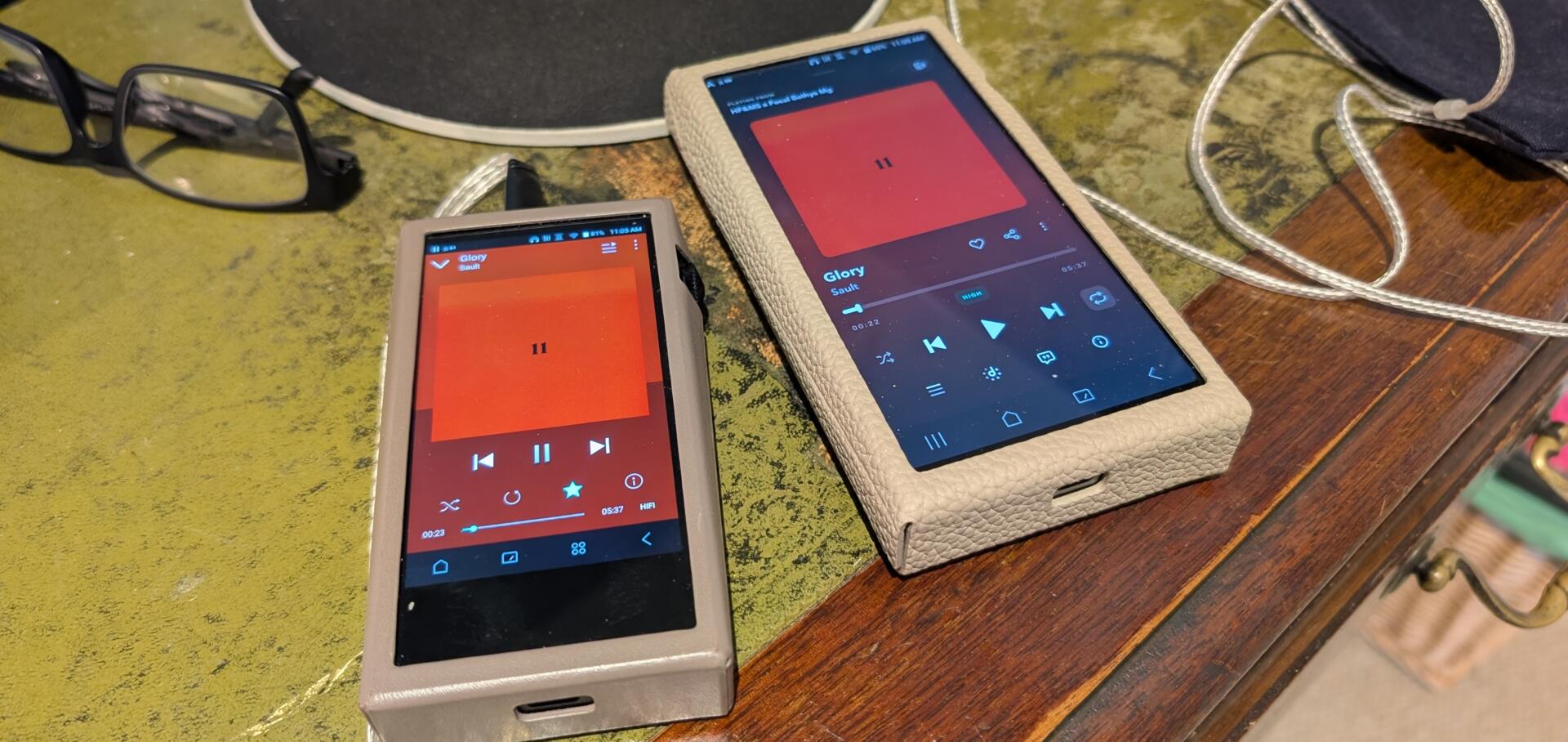
In my limited listening (I’ve only had the 4000 for a week or so before the Bristol HiFi Show versus the SP3000M I have mirrored their settings with the Odyssey EQ selected (seems to offer a fairly positive and clean midrange), Crossfeed is on, and DAR is off, for no particular reason, other than I’m using 24 bit recordings so the upsampling seems a bit needless.
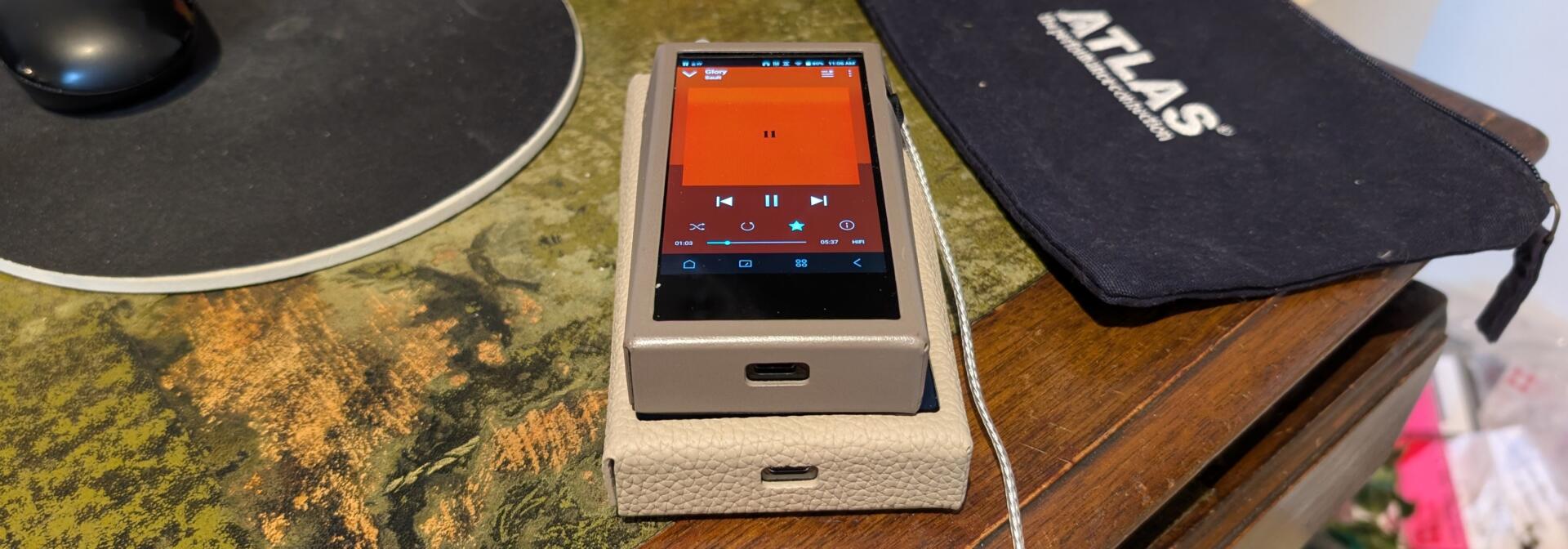
Turning to Joss Stone’s Snakes and Ladders (Qobuz download, 16-bit, 44.1kHz) for its resounding bass response, I find the presentation to be fulsome and natural, with a punchy bass line and a satisfactory midrange. The download of Newton Faulkner’s Teardrop (Qobuz download16-bit, 44.1kHz) is controlled and loving. Turning to SAULT’s Glory (Qobuz 16-bit, 44.1kHz) there is fabulous detail in these IEMs, that bassline dominates superbly. Comparing it to the 3000M, however, I think I personally prefer the openness of the 3000M, that seems to slightly lighter to my ear with these Alien Brains, this might seem to be a slight, but I believe I’m comparing V10 engines to V8 engines here, in other words it is simply a preference thing, if you are fortunate to have the chance to compare them, do so.
High Driving Mode with the 4000 increases output and results in a slight uplift in presence; it feels like a simple gain function, offering more grip. I don’t have any demanding headphones here (something I must fix) to do this newer function justice.
AIRO Astra
I have a random pair of AIRO Astra IEMs that retail for £50. I was given them at an iFi Audio launch party. I am finding them surprisingly good, not realising the price, and they have a deeper, punchier bass than the Alien Brains. I like them a lot. There is a warmth here, again, though, I prefer them with the 3000M.
Meze Audio ADVAR
A bit like the AIRO Astra, the Meze Audio ADVARs are spacious compared to the Alien Brains. With the SP4000, they come across well in probably my favourite match of the 4000. With this superb source, these warmer ADVARs are a real treat.
Meze Audio Elite over-ear headphones
The Elites are easy driving (32 Ohms) planar magnetic open-backed headphones, also deserving of the flagship label. Paired with the A&ultima SP4000, the experience is close to that of a desktop headphone amplifier; I have a FiiO K19 and an iFi iDSD Phantom here, and the A&ultima SP4000 comfortably competes with both. These Elites are upgraded with the Zeno Seraphic cable that opens the soundstage for a wider headspace experience. The SP4000 delivers this openness with ease and weight. It is a truly excellent experience.
The Elites may benefit slightly from the High Driving Mode, which is probably intended for more demanding planar magnetic headphones. I’ve noted a ‘slightly crisper’ presentation, but I’m not getting much on this occasion.
Android
As an Android convert with a Pixel 9 Pro this is not the slickest Android experience you can have but I think you should be clear in your mind this a premium DAP with Android added, not the other way round.
So, for example, when I was listening and wanted to watch a YouTube video, it was a simple matter to go to the Google Play Store, download the YouTube App, and watch. But the screen didn’t auto-rotate in YT, you needed to hit the full window icon in the video to get the landscape rotation. Not a big deal, but an illustration.
The integration of the proper Tidal App from the Google Play Store allows you to download tracks and playlists properly, unlike the A&K version, which is less than useful.
Musical Interlude
These are my playlist from my limited time with the A&ultima SP4000.

Overall
This is a luxury product of the highest quality, think of the nicest, heaviest watch you’ve ever held in a jeweller and dreamed of owning; come to think of it, why doesn’t A&K sell in Jewellery shops?
Only you can decide whether you have £3799 to spend on this luxury product; it is the statement, transportable, and/or desktop product. Make sure you have some headphones to match, of course. For me, a matching A&K balanced cradle would be great, like the PD10, particularly in my situation as discussed in the PD10 review.

Astell&Kern A&ultima SP4000 Highlights
Love
- Soundstage is near perfect
- Desktop headphone amplifier performance
- Premium finish
- LED under the volume wheel
Like
- Physical lock button
- That the leather case included
- Flagship products
Wish
- Fingerprints were not a thing
Related Posts

Astell&Kern Announce new Flagship SP4000
This is news from Astell&Kern about their new…
Astell&Kern SP3000M Copper Nickel Edition Announced
Hot on the heels of our A&ultima SP3000M review…
Astell&Kern SP3000M music player launched
Astell&Kern is pushing ahead with more high-end…
Astell&Kern introduces the AK HC3 USB DAC
News from South Korea; Astell&Kern has announced…