Introduction
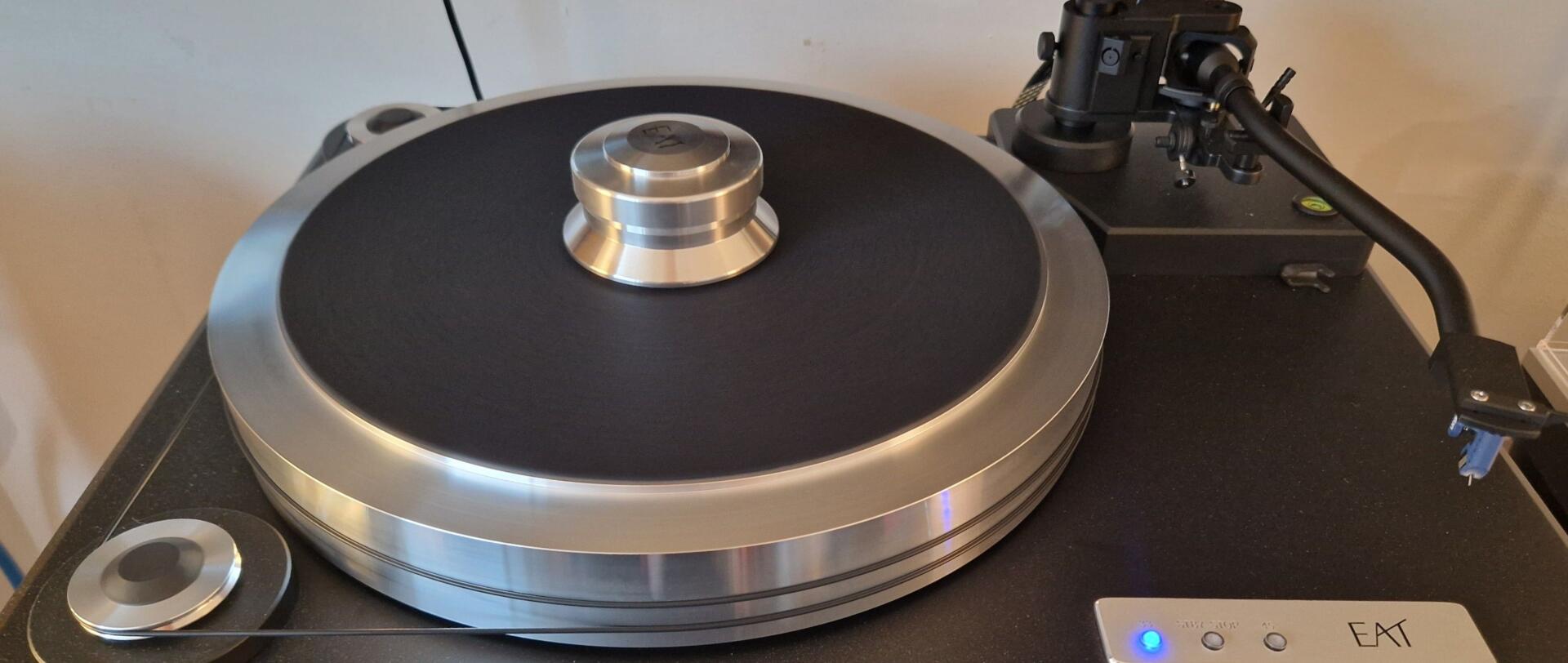
I recently attended the HiFi News show at Ascot racecourse, a fabulous venue and a first for me. Henley Audio were showing off its impressive range of hi-fi products, including the EAT turntable range. EAT, or European Audio Team, to give them their full title, is a fascinating company owned by Jozefina Lichtenegger. She is married to Heintz Lichtenegger, who owns Project Audio and Musical Fidelity. Heinz is a real character, and Jozefina met him some years ago when she owned a valve company in Czechoslovakia, and she had a passion for valves and music. Heinz collaborated with her to support product development and manufacturing, and their shared love of classical music and constant striving to create new products grew into a loving relationship and marriage.
I have met them both at Munich, and Jozefina has an incredible knowledge of audio, especially valve design. She wasn’t content just owning her own valve company. Her mind is constantly full of ideas that she wants to develop. In conjunction with Heinz’s company, she decided to create a range of luxury turntables under the EAT brand, along with tone arms, cartridges and valve phono stages using EAT valves, of course. Jozefina puts her own spin (pun intended) on her designs, and although her products are made in the same building as Projects’ products, she has a separate floor dedicated solely to EAT. Shared facilities and some crossover aid efficiency and economies of scale.
Design
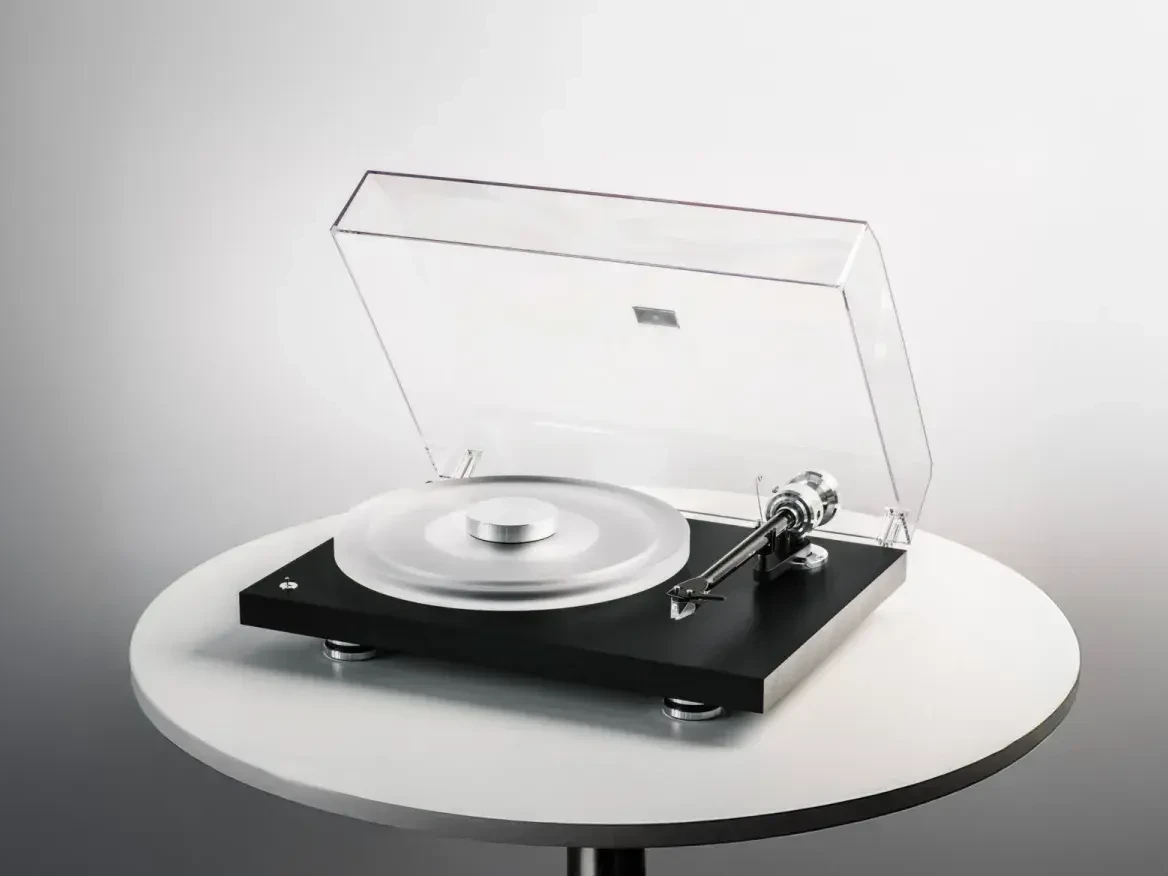
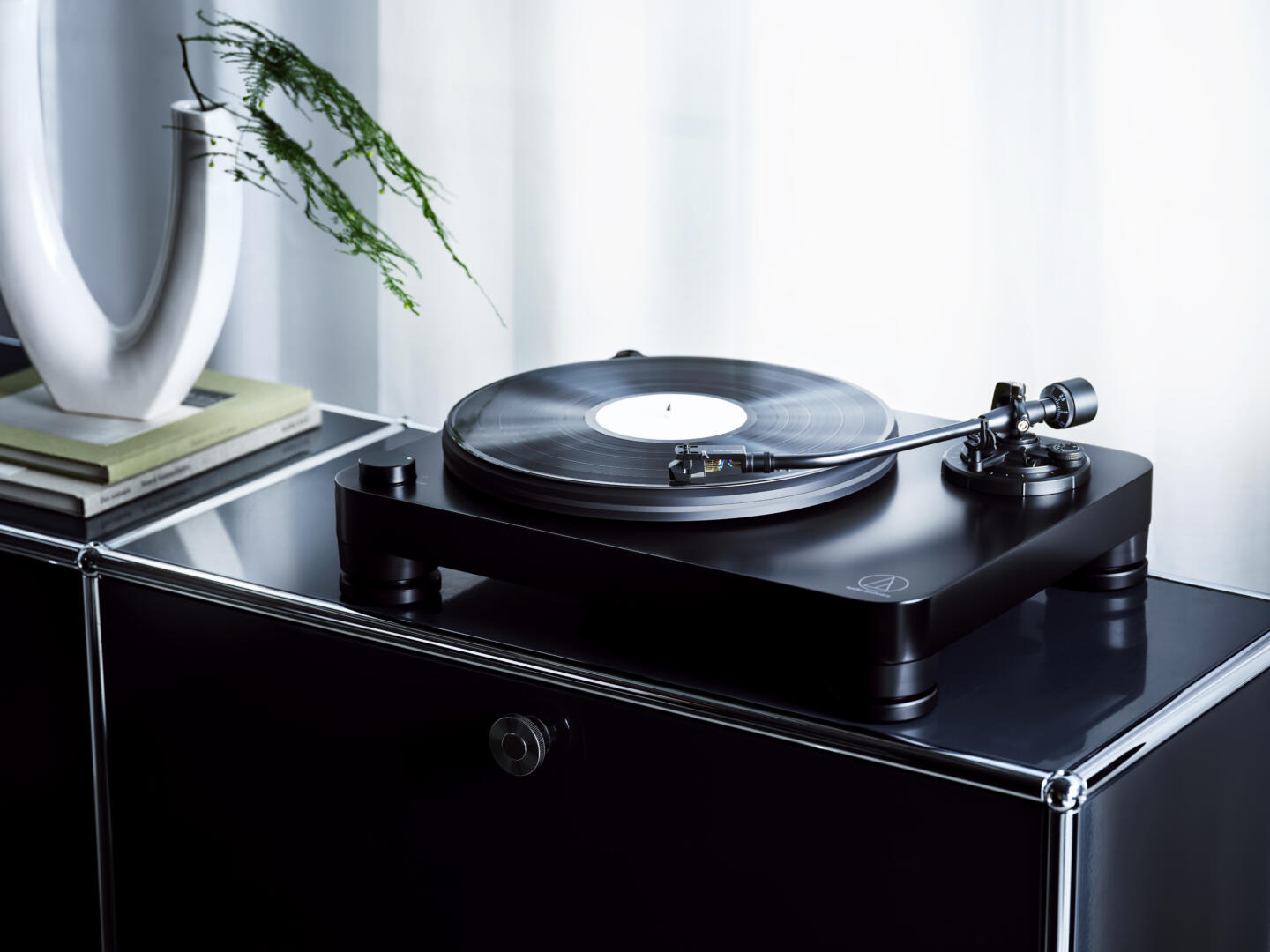
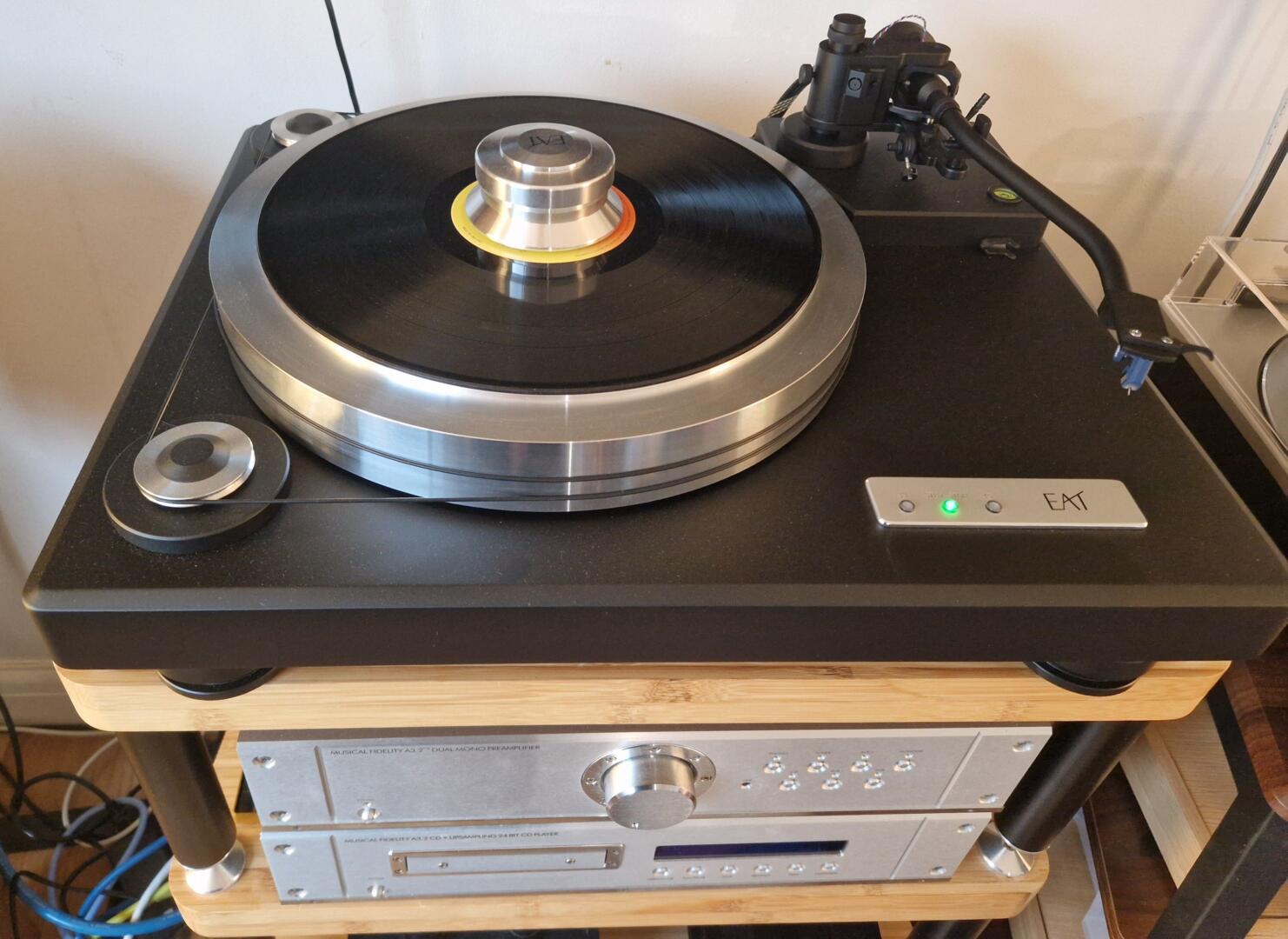
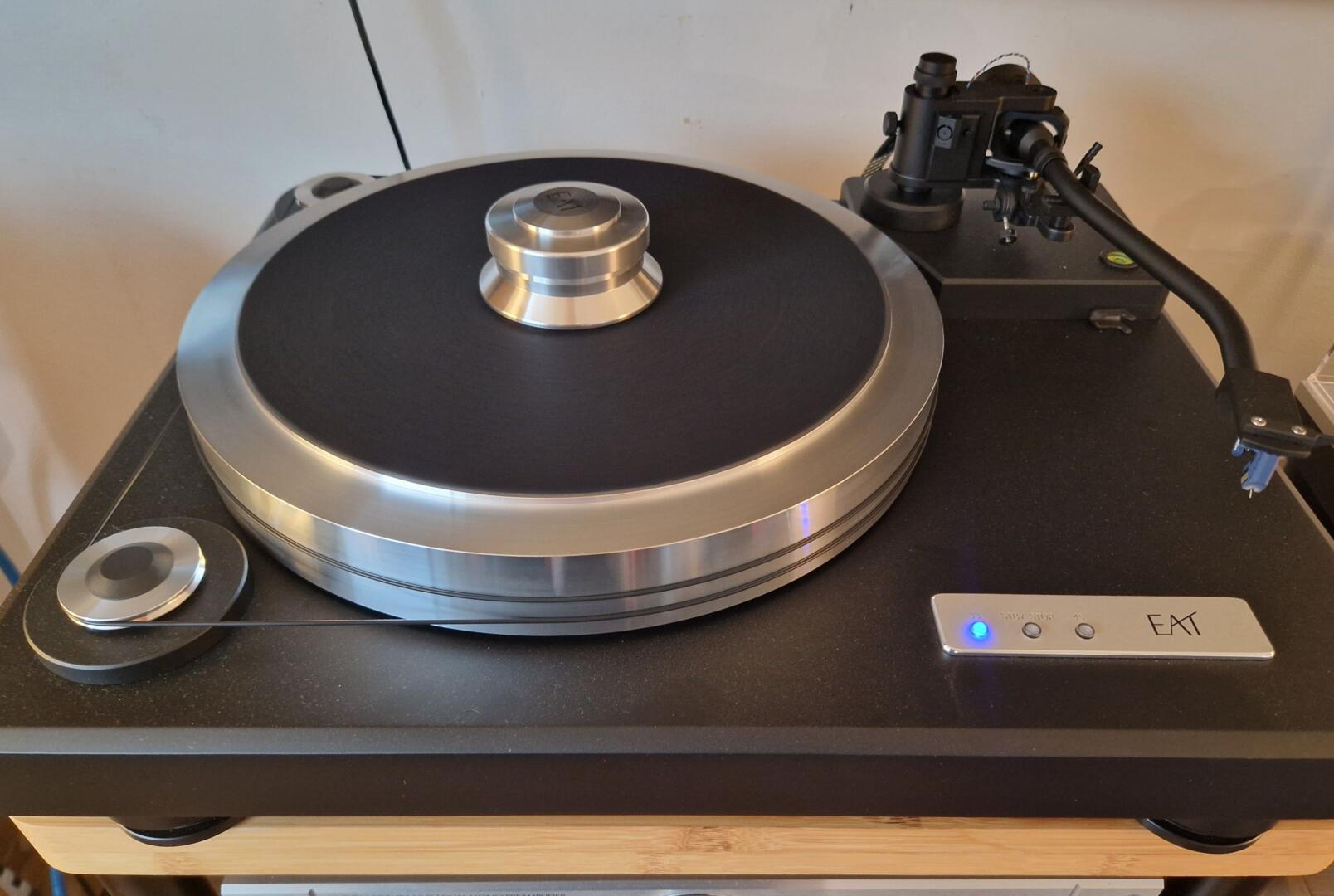
The EAT F-Dur lies centrally in the range and is a heavyweight, weighing 44 kg. It has a large footprint and only just fits on top of my hifi rack. The F-Dur comes in a solid crate for safe transit, as a cardboard box wouldn’t suffice. The F-Dur came fitted with the 12” F-Note tonearm and was finished in matt black, but you can have the polished aluminium version, which is very blingy. The bearings are an ultra-low-friction cardanic design, which consists of four pinpoint bearings on diamond mirrors. The VTA is fully adjustable on the fly, allowing microscopic adjustments as the record plays.
The aluminium platter is oversized, acts as a very effective flywheel, is beautifully machined, and weighs about 22 kg. It is lined with TPE (thermoplastic elastomer) damping to absorb resonances and deliver clearer, more detailed audio playback. The magnetically supported inverted main bearing allows the platter to float, significantly reducing mechanical load on the bearing itself. By relieving pressure on the contact point, this design minimises wear and ensures ultra-smooth rotation. At the heart of the bearing is a precision ceramic ball, chosen for its exceptional hardness and low friction, further enhancing durability and performance. The heavy, solid bearing block acts as an energy sink, effectively absorbing and dissipating vibrations.
Two ultra-quiet AC motors, carefully selected from batches of over 100,000 units to ensure only the highest-performing examples are used. Using two motors increases the number of magnetic poles, significantly reducing motor cogging and resulting in smoother, more stable rotation. A precision DC-driven AC power generator supplies a freshly created sine wave to drive the motors, further minimising vibrations. Wow and flutter measures ± < 0.01%, very impressive.
The turntable stands on solid, full-aluminium feet that provide exceptional stability and durability. Each foot is steplessly height adjustable, allowing for precise levelling on any surface. Integrated TPE damping inside the feet effectively absorbs vibrations, isolating the turntable from external interference and enhancing overall sound clarity. The turntable is equipped with a newly developed drive belt incorporating carbon fibres. This unique material blend makes the belt conductive, effectively eliminating static buildup during operation. Designed as a single seamless ring with no glued joints, the belt ensures smooth, consistent motion and improved reliability.
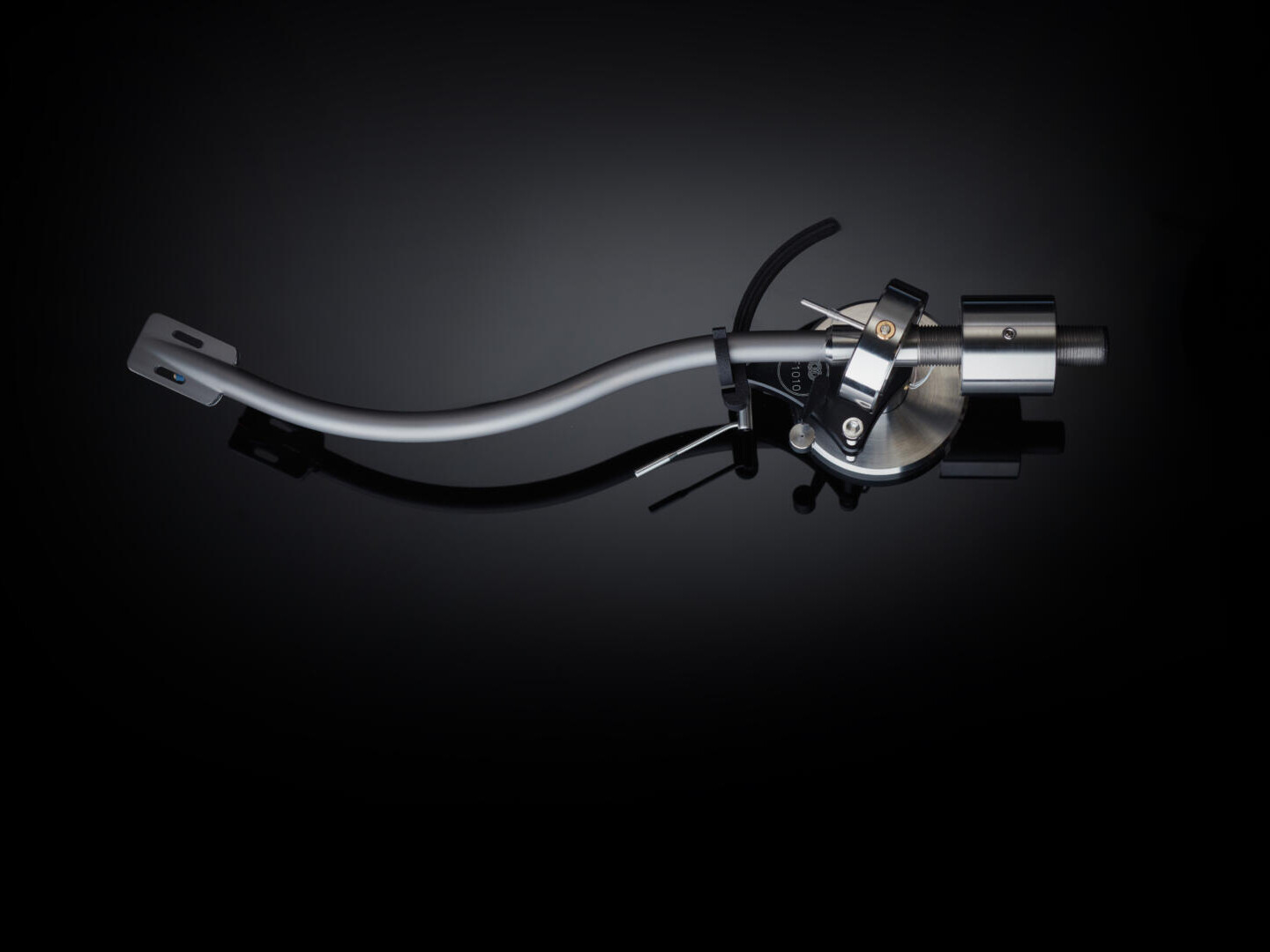
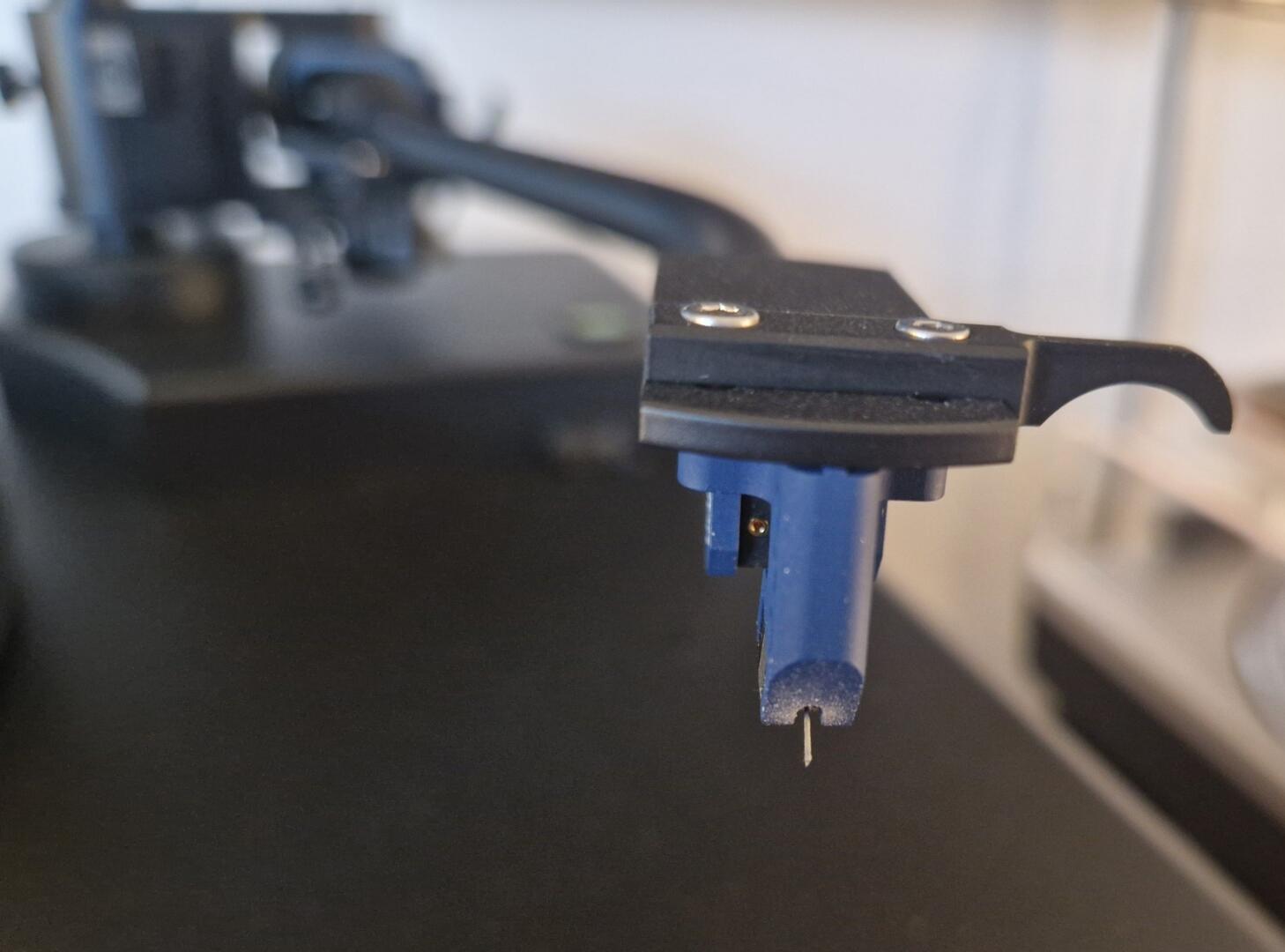
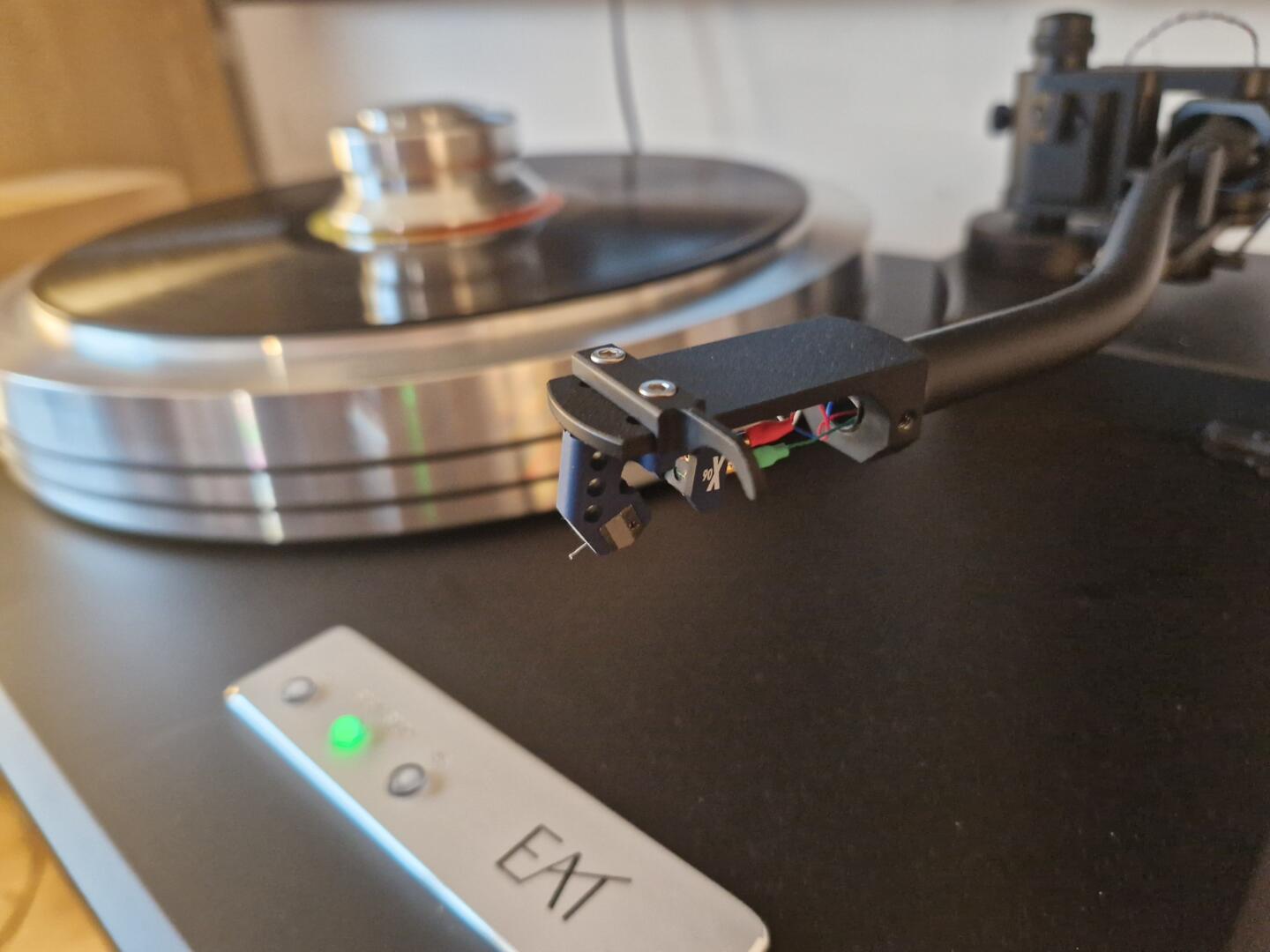
The EAT F-Note tonearm features a cardanic construction with four ultra-low-friction pinpoint bearings. Fine-tuning your sound is simple and tool-free. VTA, VTF, and azimuth can all be adjusted with exact precision, meeting the expectations of even the most discerning listeners. The precision of the adjustments is brought to perfection by a laser diode, which indicates accurate settings. I witnessed this setup when Ralph, who delivered and installed it, set up the F-DUR and showed me how it works. A brilliant idea and so easy to use. I wish more arm manufacturers used this method. The large base isolates the tonearm from vibrations generated by the turntable. With its stunning design, tactile feel, and outstanding sonic performance, the EAT F-Note tonearm is the perfect blend of form and function.
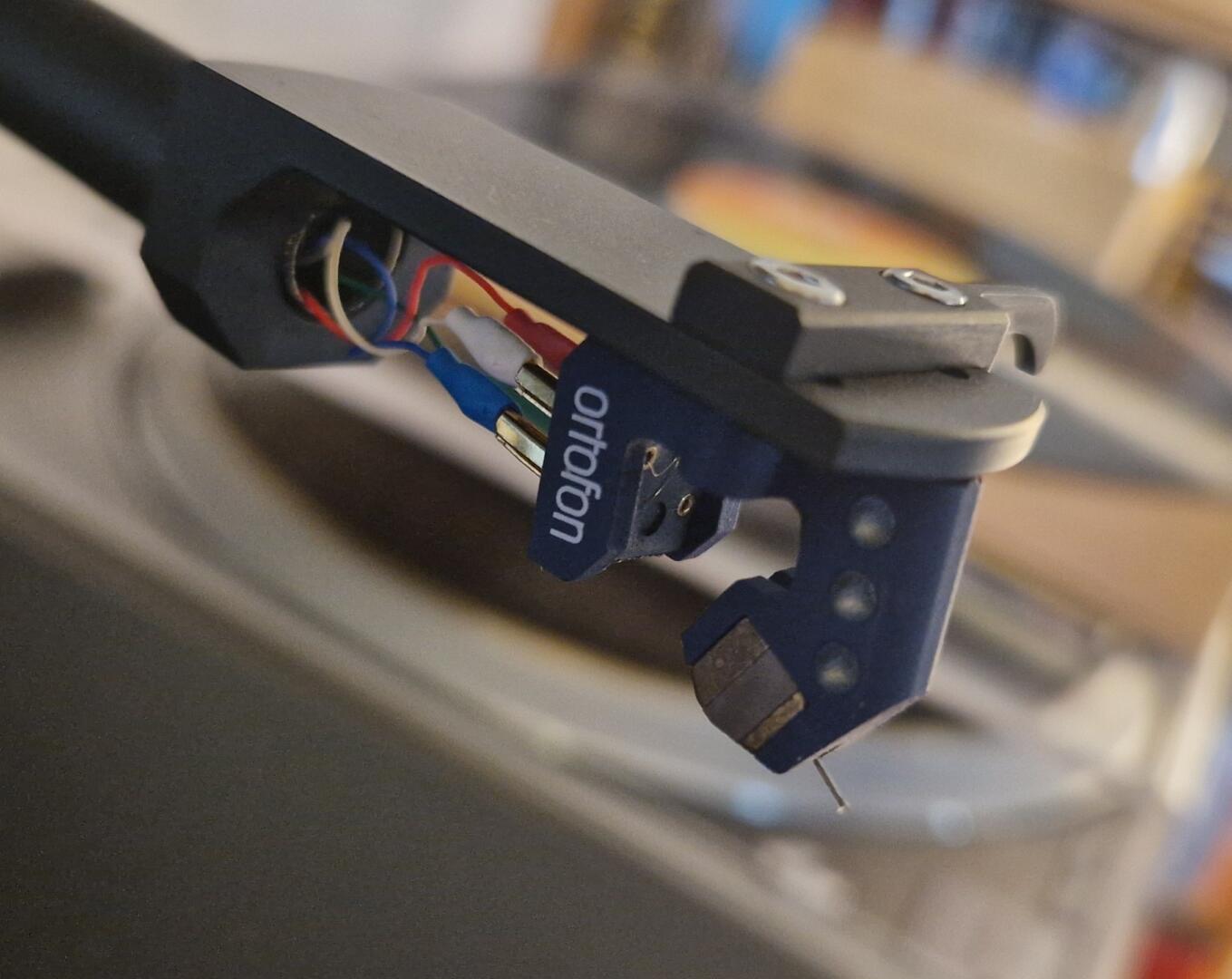
To top the combination off, an Ortofon MC 90X was fitted. This is a natural choice, as Henley also distributes Ortofon, and at £4000 it is an excellent match sonically. Part of the Exclusive series, this is a very special cartridge and the dearest moving coil I have used so far. The MC 90X is a striking high-end cartridge, based on the classic MC A90 design, but modernised with new technologies and a striking blue finish.
Designed to bring out the depth and detail in every record, this limited-edition cartridge builds on Ortofon’s expertise in analogue sound reproduction while introducing improved rubber dampers and a striking new blue finish. Its stainless-steel structure, crafted using Selective Laser Melting (SLM) technology, provides excellent rigidity and resonance control. This is space-age technology that fascinates me.
The Wide Range Damping system, Field Stabilising Element, and Ortofon Replicant 100 diamond stylus work together to capture the full depth and nuance of even the finest vinyl pressings. The detail retrieval was immense, and an inky-black background showed how well the Replicant 100 stylus traced the groove.
One of the MC 90X’s standout features is the Wide Range Damping (WRD) system, which ensures outstanding linear frequency response and an extended upper frequency range. Full details are on Henley’s website.
Specification and Price
EAT F-Dur turntable specification
Speeds: 33 & 45 RPM
Speed Variance: ± < 0.09 %
Wow and Flutter: ± < 0.01 %
Turntable Signal to Noise Ratio: -73 dB
Effective Tonearm Length: F-Note: 304.8 mm
Overhang: 13.2 mm
Effective Tonearm Mass: F Note: 21.4 g
Maximum Power Consumption: 8.5 W
Dimensions (W x H x D): 550 x 250 x 440 mm
Weight: 44 kg
Products Included: F-Note 12″ VH
Full Specification on the Henley Audio Website, here.
E.A.T. F-Dur Turntable £ 4,299
F-Note tonearm 12” VH £3,999
Ortofon MC 90X £3,999


Performance
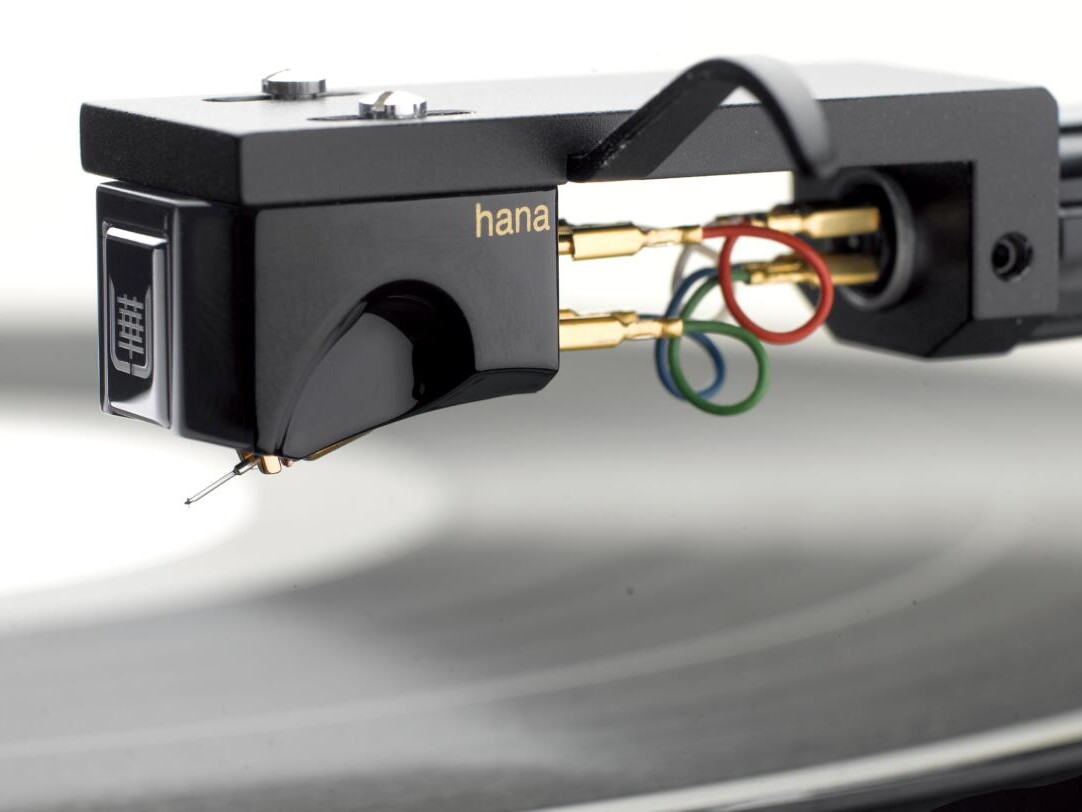
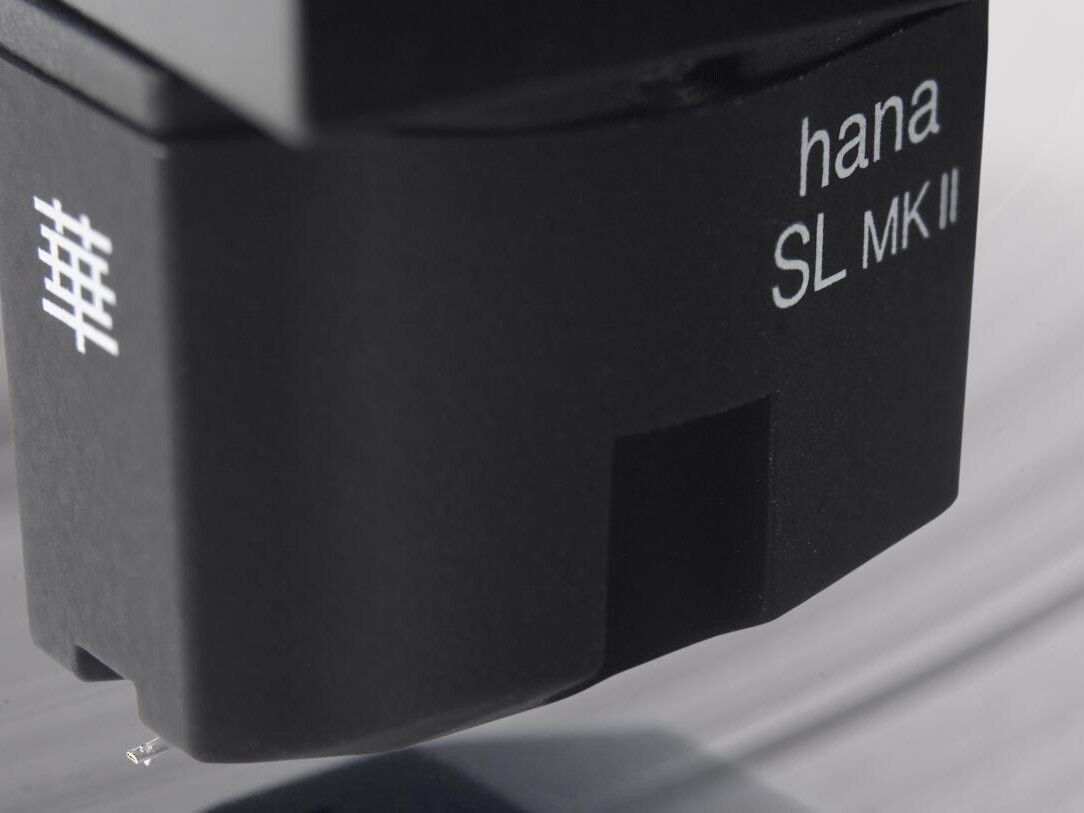
At £12,000, this is a serious combination for an avid enthusiast. The F-Note tonearm didn’t allow me to change cartridges easily so that I couldn’t try my Hana SL MK2 moving coil in it, but I am sure it would have been thrilling. You can change arm wands or request an arm with a detachable head shell, but it wasn’t a problem. Anyone buying the F-Dur and F-Note arm wouldn’t fit a cheap cartridge; they’d go for an equivalent moving coil, such as the MC 90X.
Hooked up to my Mellow Tone Audio valve phono stage and Pure Sound T10 transformer, into my Musical Fidelity pre- and power amplifiers, and to my Totem Signature One speakers, the results were immediately evident and impressive. I am a teen of the ’70s, so my musical journey started with a diet of Progressive rock. I still love my prog rock, 50 odd years later, and I am proud to declare it. Close to the Edge by Yes was a real favourite back in 1972, and I still regularly listen to it. Recently, I obtained the Steve Wilson set of remastered early Yes albums, and all of them are an improvement to my ears. The MC 90X had no problem tracking Close to the Edge with aplomb, and even on the torturous organ section of side one, there was no distortion whatsoever. The mix on this album is complex and dense when all the band members are playing, but the separation is superb, and each musician is easily picked out in the soundstage laid before me in glorious 3D. I was hearing details I hadn’t noticed before, and I have listened to this album countless times. The album opens with a collage of bird calls, water and abstract noise, and then the main riff is Steve Howe’s jagged, syncopated guitar figure in 12/8, doubled by Chris Squire’s driving bass. It constantly shifts. Jon Anderson enters with rapid, chant-like phrasing, matching the instruments’ rhythmic complexity. It really is a tour de force.
In contrast, Raise, is a key transitional album for Earth, Wind & Fire: bridging their 1970s funk/soul legacy into the more dance-oriented early-80s era without losing musical integrity. Let’s Groove is one of their most enduring singles and a staple at dance gatherings, clubs, and radio. It sounded glorious, and the F-Dur loved it. The album has drive and passion in abundance, bursting into my living room and making me want to dance as I did back then. Great systems do this and resurrect fond memories.
Bryan Ferry’s Boys and Girls album is so reminiscent of his Roxy Music days. Ferry blends his urbane, suave vocal style with lush production, polished arrangements, and contributions from top session musicians. It is often seen as a “mature” album from Ferry, combining his Roxy Music pedigree of style and sophistication with the more electronic/80s production aesthetics. Musicianship on the album is top tier: The record features guitar work from Mark Knopfler (of Dire Straits), Nile Rodgers (of Chic), and David Gilmour (of Pink Floyd), among others. The F-Dur evoked the moody and sophisticated feel Ferry wanted to convey.
Everything but the Girl’s The Language of Life marks a transitional moment for EBT. Before their later breakthrough into electronic/dance territory (for example, with Amplified Heart in 1994), they took a detour into polished, smooth pop. Maybe that’s why it’s a favourite album of mine. The high-profile nature of the production (Tommy LiPuma, and top session musicians) shows how the band and their label were aiming for a higher-end mainstream sound. It offers a different flavour of the band’s talent: Tracey Thorn’s vocals and Ben Watt’s instrumentation remain prominent but wrapped in a very glossy production rather than the more spare/quirky earlier style. It really is a beautifully recorded and crafted album that shone here.
I could go on and on about all the albums I played, but my musical tastes probably don’t appeal to the majority of readers who’ll see this review. Nearly all the albums I tried excelled, but the F-Dur will not suffer inferior recordings. A case in point was Heart’s Bad Animals album. There are some great tunes on it, but the sound is so harsh and flat that I wouldn’t listen to it again. Whoever produced it back in the 80s failed miserably to create a good production. A real shame. I read that Heart was exhausted from touring at that period, so their input was probably minimal in the mixing process. Many albums were mixed to sound good on the radio, but a good system would ruthlessly show the shortcomings. Choose a sound recording, though, and you’ll be richly rewarded.
Summary & Verdict
If I were to sum up: the E.A.T. F-Dur is a top-tier turntable in its class, offering excellent mechanical precision, superb sound detail, low noise, and premium build & aesthetics. It’s not perfect for everyone (due to cost, size, and setup demands). Still, for audiophiles who want one of the best “reference” analogue sources without going to the absolute top of the flagship range, it’s a very compelling choice. EAT have a peach of a design here, sitting mid-table in their current range. The package is a sublime mix of equal parts. The F-Dur is the solid foundation on which the F Note tonearm and Ortofon MC 90X can excel. It showed me that in the rarified atmosphere of high-end equipment, these days you don’t have to spend a fortune to be fully satisfied for the rest of your life. £12,000 is hardly a bargain to most people, but put into context, it really is in the luxury sector without the stratospheric prices—superb value for money.

E.A.T. F-Dur Turntable Highlights
Related Posts